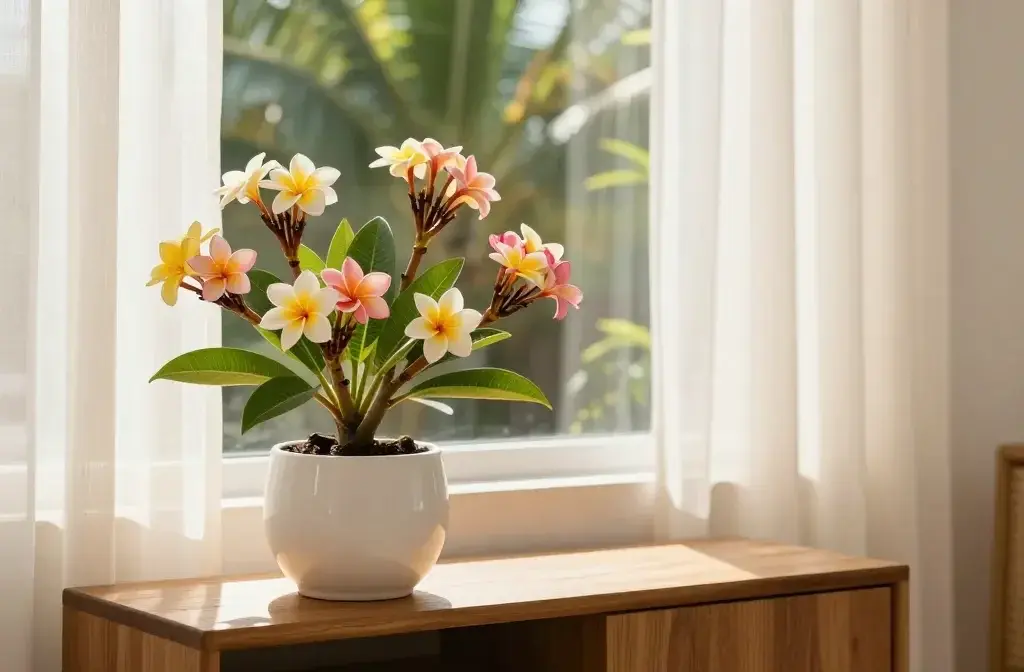
Plumeria flowers are the tropical vibe your spaces have been craving. They glow with creamy yellows, pinks, and whites, and they smell like summer in a bottle. Ready to bring that vacation-energy indoors and out? Let’s chat through practical ideas, sneaky tips, and a little plant-nerd joy.
Why Plumerias, and Why Now?
Plumerias aren’t just pretty faces. They’re versatile, hardy-ish (for tropical lovers), and they bring a mood—hazy sun-soaked days even when the forecast is meh. You can grow them in pots to move around, or plant them in the ground where they’ll sprint toward the sun. FYI, they love warmth and bright light, but they’re surprisingly adaptable if you respect their needs. Think of them as the “bring the vacation home” plant.
Choosing Your Plumeria: Varieties That Wow
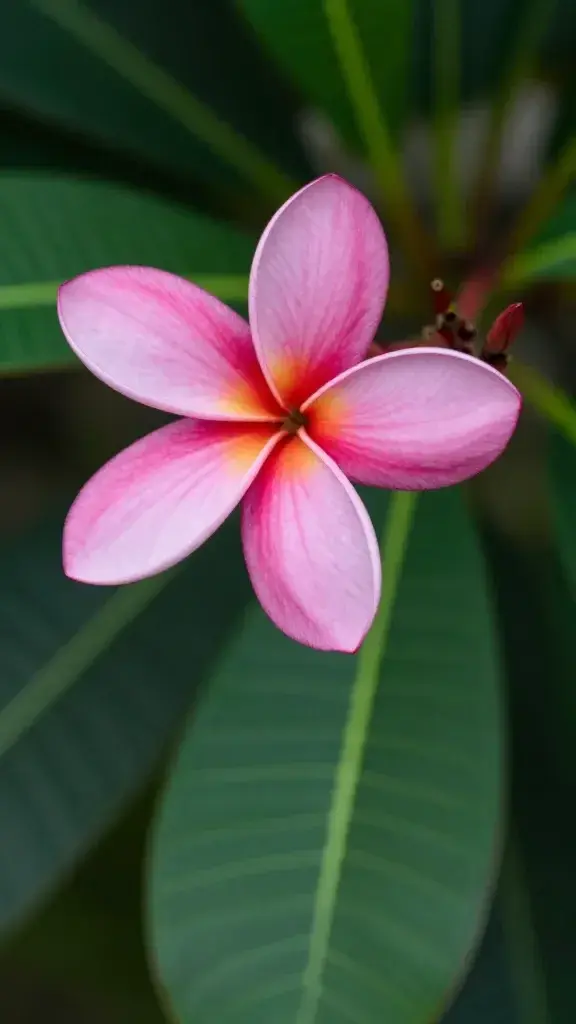
There are dozens of cultivars, but a few stand out for indoor and outdoor spaces:
- ‘Thai Pink’ and ‘Singapore’ hues that bloom nonstop if given enough light.
- ‘Sunburst’ for a bold yellow glow that looks sunny even on a cloudy day.
- Varieties with strong, sweet perfume or more subtle fragrance—pick based on how much scent you want indoors.
When you’re shopping, check for healthy green growth, sturdy stems, and new leaf buds. If a seller can’t show you a healthy plant, walk away. IMO, you want the plant that says “I’ve got this” from day one.
Indoor Plumeria: Bright Talk for Small Spaces
Indoor setups work great if you commit to light, warmth, and a little pruning discipline.
Light and Placement
Plumerias crave bright light. Put them near southern or western windows, or use a grow light to supplement. If the leaves start pale or leggy, it’s crying for more sun. Don’t skip this part—no amount of fertilizer will fix a drought of daylight.
Pot, Soil, and Drainage
Use a well-draining mix—cactus mix or sandy loam with extra perlite does wonders. A pot with drainage holes is non-negotiable. Root rot is real, and it’s dramatic. Keep the top inch of soil dry between waterings, but don’t let the plant wilt. Think “moist, not soggy.”
Watering Rhythm
Water deeply when the top couple inches of soil dry out. In winter, cut back even more. If you notice leaves dropping or yellowing, you might be overwatering, my friend. FYI, plumerias don’t love being soaked in cold water—temperature matters.
Fragrance on Demand
Want perfume without the pollen chaos? Place your plumeria near an open window but avoid drafts that stress the plant. At night, cooler temps can nudge flowering, but don’t crash the party with temps too low. If you’re chasing scent, you’ll thank yourself for giving it a sunny, stable spot.
Outdoor Plumeria: Big Impact, Low Drama
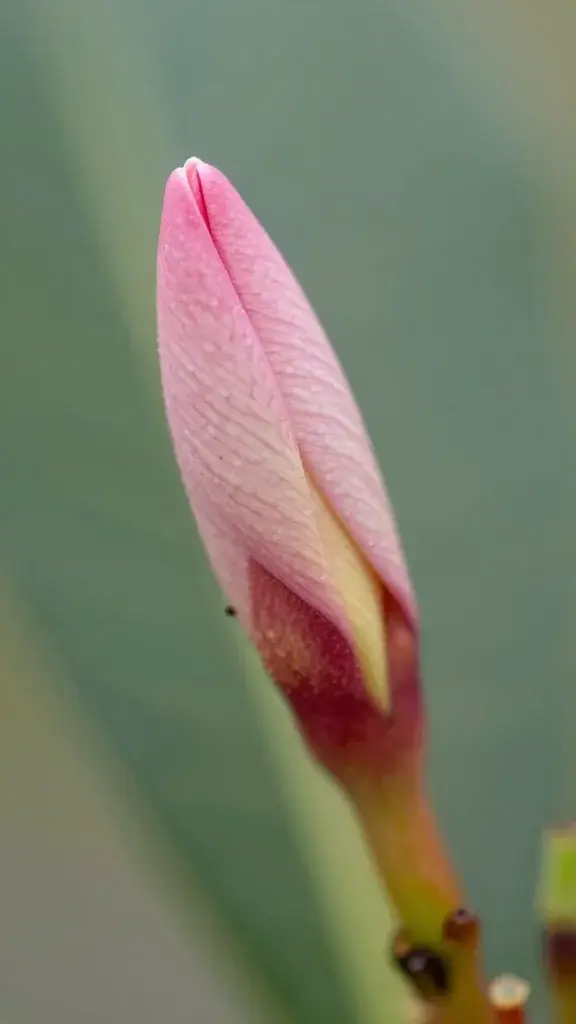
Outdoor plumerias raid the garden with color and fragrance, but they still need a plan.
Where to Plant
Choose a sunny, sheltered spot with good drainage. Plumerias love sun and hate soggy roots. If you’re in a windy area, give them a bit of protection—these are not fans of whip-like branches in a gale.
Soil Prep and Mulch
Work in organic matter and a little slow-release fertilizer in spring. Mulch to conserve moisture, but keep mulch away from the trunk to prevent rot. A little pine needle mulch adds a tropical vibe and keeps things airy.
Pruning with Purpose
Prune to shape and encourage branching. Cut after flowering to promote a denser habit. Don’t be shy—plumerias respond well to light, strategic pruning. This isn’t a “let it be” plant; it’s a living sculpture.
Flowering Cycle: When the Magic Happens
Plumerias don’t just bloom once and bow out. They can be showy for weeks, then pause and come back. The rhythm depends on light, temperature, and nutrients.
- Long days and warm nights spark more blooms.
- Consistent feeding in growing season = better color and fragrance.
- Heat helps, but extreme cold sends them into a rest period.
Feeding Finesse
Use a balanced fertilizer with a slight tilt toward phosphorus to boost flowering. Feather-light feeding in winter keeps roots happy without encouraging weak growth. IMO, a bloom-focused fertilizer protocol can be a game changer for indoor growers.
Creative Spaces: Design Ideas with Plumeria
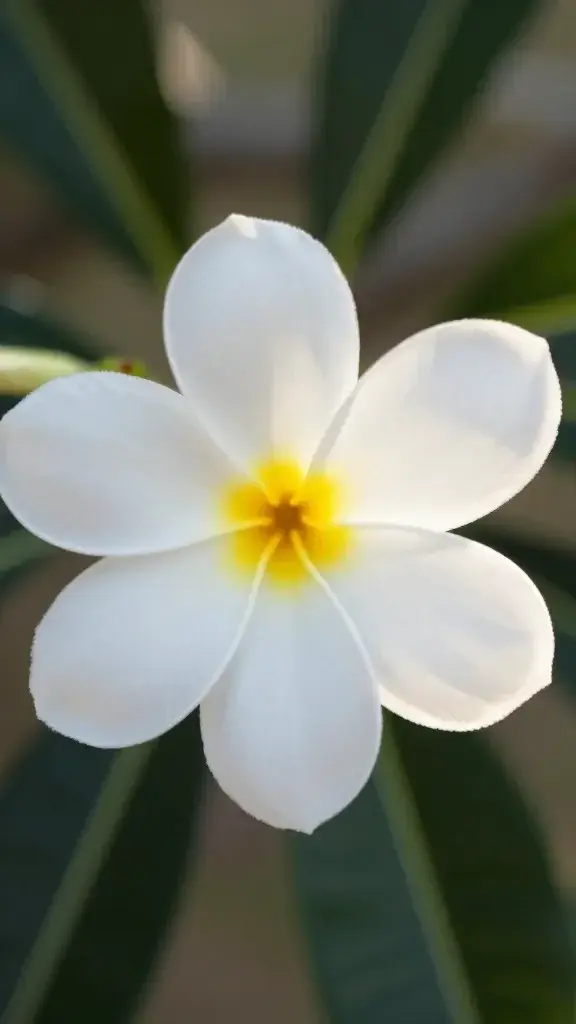
Plumerias aren’t just plants; they’re a design statement.
Tropical Balcony Oasis
Line a railing or deck with potted plumerias in varied colors. Add string lights, a bamboo screen, and a few shade-tolerant ferns. The scent at dusk? Chef’s kiss. The trick is choosing planters with good drainage and mobility for windy evenings.
Indoor Flair: Statement Plant with a Twist
Group a tall plumeria with a couple of smaller tropicals in a sunny corner. A bright, ceramic pot and a simple run of fairy lights create an almost resort-like vibe without stepping foot outside.
Container Garden Mix
If you’re short on space, combine a plumeria with herbs and a small citrus tree in a larger pot. It’s like a mini jungle that smells insane when the blossoms open. Just manage watering so everyone gets enough moisture without a swamp party.
Care Hacks and Common Rocks in the Road
Plumerias are hardy, but they have quirks. Here are quick fixes that save you time and heartbreak.
- Pests: Watch for spider mites and mealybugs. A light soap spray or neem oil works, but test a small leaf first to avoid burn.
- Cold Sensitivity: They hate frost. If temps dip, bring indoor or cover with a frost cloth. A little caution now prevents heartbreak later.
- Root Health: If leaves droop and soil feels heavy, you might be dealing with soggy roots. Repot in fresh mix and ensure drainage.
DIY Projects: Personalize Your Plumeria Experience
Turn your plumeria care into a mini craft, because who doesn’t love a tactile hobby?
- Painted terracotta pots with tropical motifs for a coordinated look.
- Driftwood or shell accents in the potting area for extra vacation vibes.
- DIY humidity tray under indoor pots to keep leaves lush without spraying water everywhere.
FAQ
Do plumerias grow well indoors all year round?
Most varieties prefer bright light and warmth, but you can keep them indoors with a sunny spot and supplemental light. Expect some seasonal rest if you’re not providing peak summer-like conditions.
How often should I water my plumeria in pots?
Water deeply when the top inch or two of soil dries out. In winter, cut back. Overwatering is a common mistake, especially for indoor setups. When in doubt, err on the side of drier, not soggy.
What’s the best soil for plumerias?
A well-draining mix is key. Use a cactus/succulent mix or add perlite to regular potting soil. They hate wet feet, so drainage is king.
How do I encourage more blooms?
Give bright light, warmth, and a steady feeding routine during the growing season. A phosphorus-rich fertilizer can help with flowering. Don’t overfeed, though—plumerias aren’t fans of fertilizer burn.
Can I plant plumeria in the ground if I live in a non-tropical climate?
In cooler climates, keep them in pots so you can move them inside when frost is coming. In zones with mild winters, you can plant them in the ground if you’ve got a sunny, protected spot, but be prepared for occasional pruning and frost protection.
Conclusion
Plumeria is the chic, carefree companion you didn’t know you needed. Indoor or outdoor, they bring color, scent, and a dash of island mood to your everyday life. With bright light, well-draining soil, and a little pruning love, you’ll enjoy blooms that feel like a summer vacation in real life. IMO, the payoff is worth the effort—these flowers aren’t just pretty, they’re mood-lifters. So go ahead, pick a variety, give it sun, and let your space glow.
If you’re curious or stuck somewhere, drop a note with your setup and I’ll tailor a quick care plan. FYI, I’m rooting for your plumerias to become the star of your home or garden.
Leave a Reply