A Low-Maintenance Shrub That Welcomes Wildlife
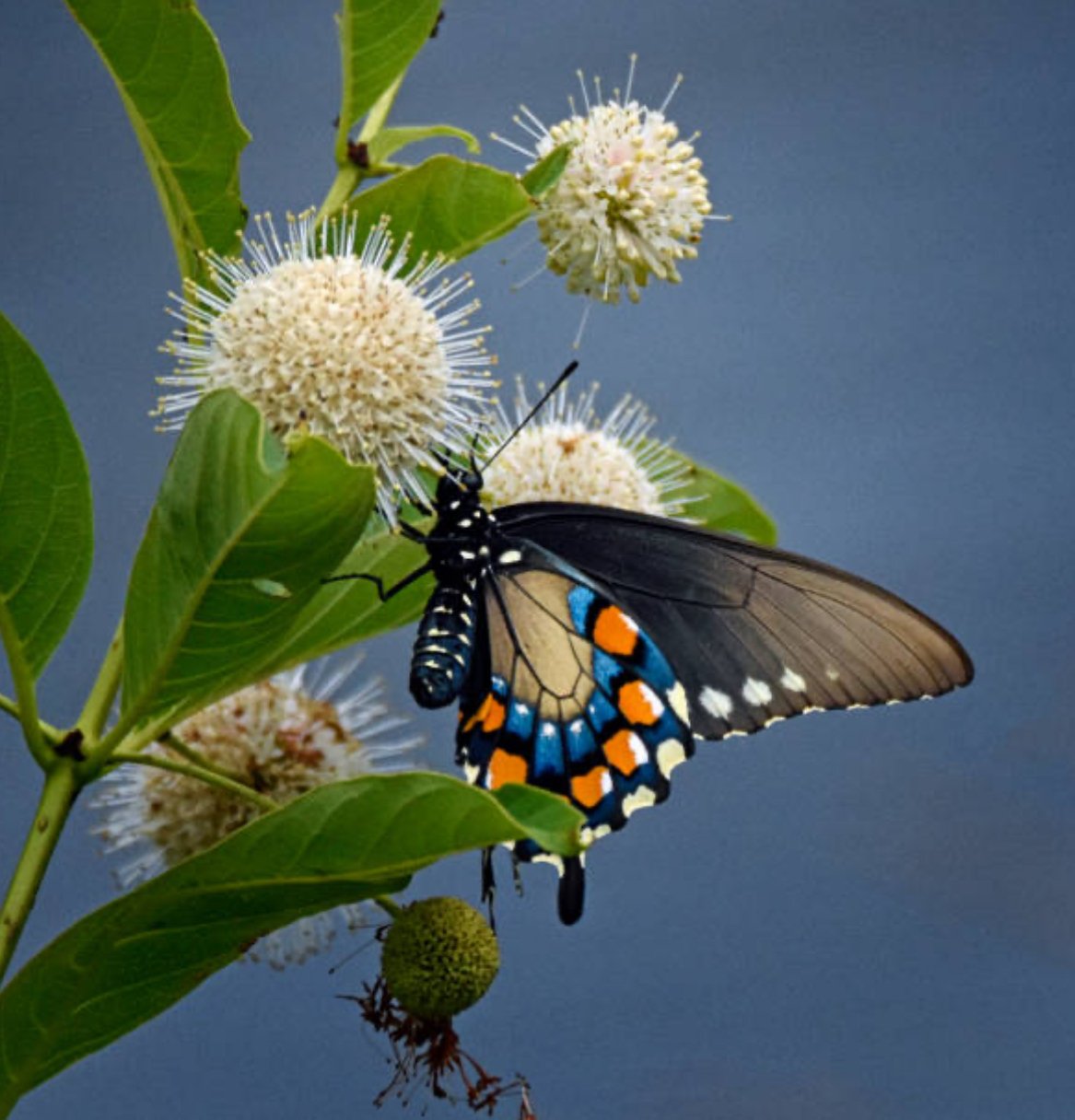
If you’ve been searching for a shrub that’s both beautiful and easy to care for, the buttonbush (Cephalanthus occidentalis) is a perfect choice. Known for its unusual globe-shaped flowers and glossy green leaves, this native plant is more than just eye-catching—it’s a true magnet for wildlife.
Why the Buttonbush Stands Out
- Pollinator Paradise
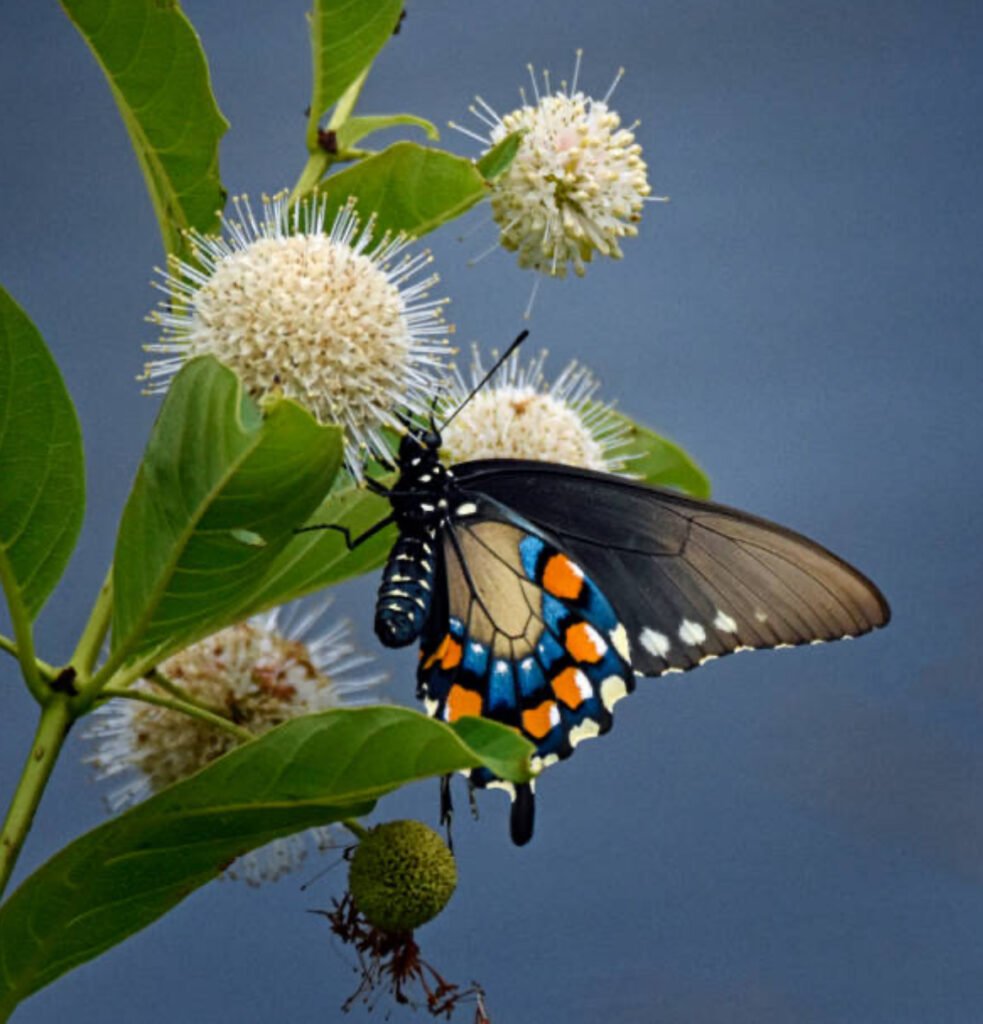
The buttonbush is beloved by hummingbirds, butterflies, and bees. Its fragrant, spherical blooms—often nicknamed “honey balls”—provide nectar throughout the summer. Once the flowers fade, the plant produces seed heads that birds, ducks, and other waterfowl find irresistible. It also serves as a host plant for several moth species, making it a valuable addition to any pollinator garden. - Visual Appeal
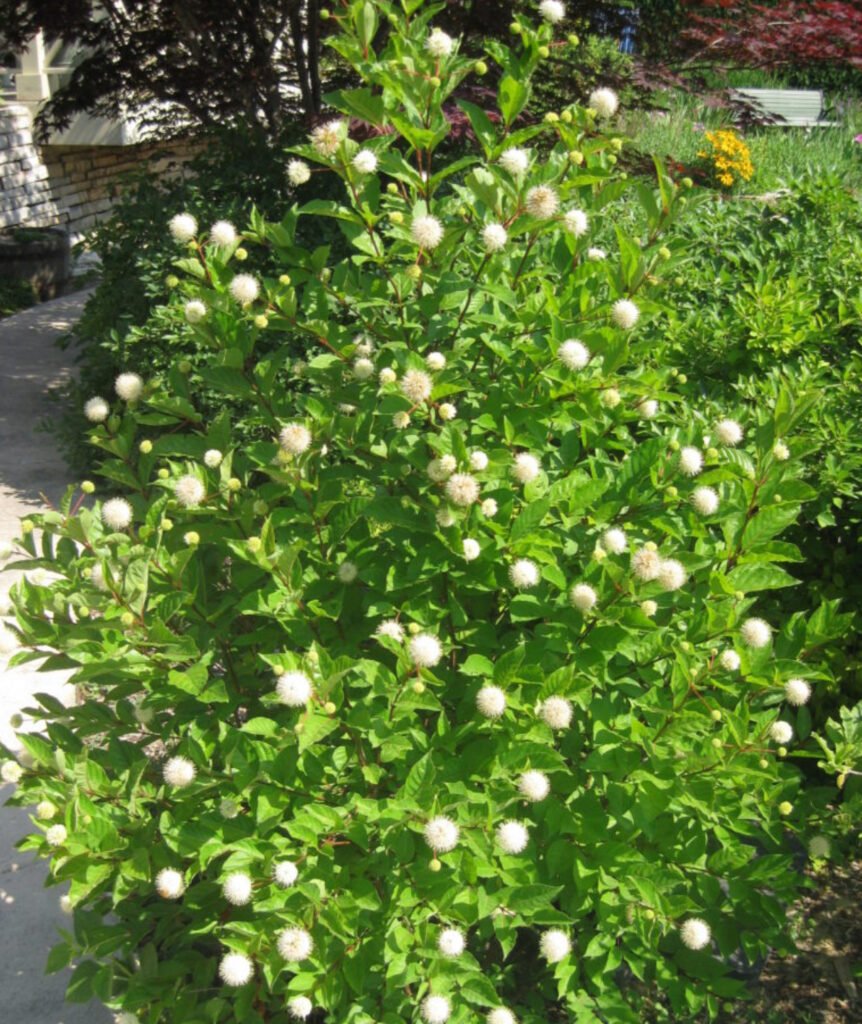
Beyond its wildlife benefits, the buttonbush is striking in its own right. The round, pincushion-like flowers appear from June through August, standing out against glossy dark green foliage. The blooms bring a whimsical, architectural quality to your landscape, giving it character and charm all season long.

Growing Buttonbush in Your Yard
| Feature | Details |
|---|---|
| Sunlight | Full sun to partial shade, with the brightest blooms in sunnier spots. |
| Water Needs | Thrives in consistently moist or wet soil and even tolerates standing water—ideal for rain gardens, pond edges, or low-lying areas. |
| Soil | Prefers neutral to slightly acidic, loamy soil. It adapts well to different conditions but struggles in dry settings. |
| Hardiness Zones | Suitable for USDA Zones 4 through 9, making it versatile in many regions. |
| Size | Grows up to 12 feet tall and wide, though compact cultivars like ‘Sugar Shack’ stay around 4 to 5 feet—perfect for smaller spaces. |
| Maintenance | Extremely low-maintenance. Prune in early spring to shape or rejuvenate the plant if needed. It rarely requires fertilizing and has strong resistance to pests and diseases. |
Planting Tips for Success
- Best Locations
Plant buttonbush in areas with reliable moisture, such as rain gardens, stream banks, or near water features. Its preference for damp soil makes it a natural choice for spots where other shrubs may struggle. - Ideal Timing
For best results, plant in spring or fall when the weather is mild. This gives the roots time to establish before summer heat or winter chill. - Planting Process
Dig a hole twice as wide as the root ball, amend with compost if needed, and place the shrub at ground level. Water deeply after planting and add mulch to lock in moisture. - Companion Planting
Pair buttonbush with other pollinator favorites such as coneflowers, milkweed, or blazing star. For a layered look, combine it with shrubs like red osier dogwood or wax myrtle to create a wildlife-friendly garden with year-round appeal.
Final Thoughts
The buttonbush is one of those plants that works hard without asking much in return. It requires little upkeep, brings unique beauty to your yard, and creates a haven for birds, butterflies, and pollinators. Whether you plant the full-sized variety or a compact cultivar, this shrub offers a perfect balance of practicality and charm.
Leave a Reply