We live in a time where people are talking more than ever, but understanding each other less.
Conversations about race, culture, identity, and respect can feel tense before they even begin. Some people worry about saying the wrong thing. Others feel exhausted by conversations that seem careless or dismissive. Too often, discussions shut down before anyone has the chance to really listen.
That tension is exactly why I wrote Mind Your Mouth: A Straight Talk Guide to Speaking Respectfully to Black People — and Everyone Else.
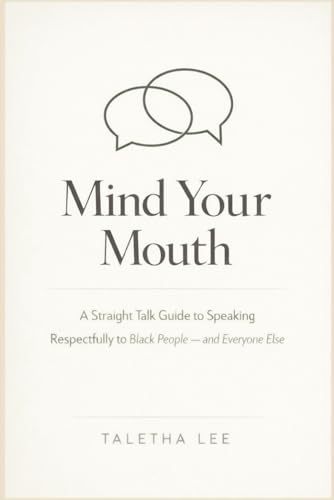
This book isn’t about shaming people or policing language. It’s about something much simpler and much more useful: learning how to communicate thoughtfully in a diverse world.
Most people are not trying to be disrespectful. In fact, many people genuinely want to communicate well with others. The problem is that good intentions don’t always translate into respectful communication.
Sometimes the words we choose carry history, assumptions, or implications we may not even realize are there.
And sometimes conversations go off track because people react quickly instead of taking a moment to understand what the other person actually means.
Mind Your Mouth explores these everyday communication moments in a straightforward and practical way.
Rather than presenting complicated theories or lectures, the book focuses on simple ideas people can actually apply in real life. It looks at how small changes in awareness can improve conversations between coworkers, neighbors, friends, and even strangers.
One of the most powerful habits we can develop is learning to slow down before we speak.
Not to censor ourselves, but to become more aware of what our words communicate and how they may be received by someone with a different background or experience.
The book also encourages readers to look inward. Communication is not only about what we say. It’s also about the assumptions we carry, the tone we use, and the willingness to listen when someone else is speaking.
Respectful communication shouldn’t feel like walking on eggshells.
It should feel like what it truly is: a skill that can be learned and practiced.
When people develop that skill, conversations become more productive, relationships grow stronger, and misunderstandings become easier to work through.
The goal of Mind Your Mouth is not perfection. It’s better conversations.
Better conversations between coworkers.
Better conversations between neighbors.
Better conversations between people who may come from different backgrounds but still share the same communities.
If you’ve ever wondered how to communicate more thoughtfully about race, culture, and everyday interactions, this book offers a grounded and honest perspective.
Sometimes the smallest shift in how we speak can make the biggest difference in how we understand each other.
Leave a Reply