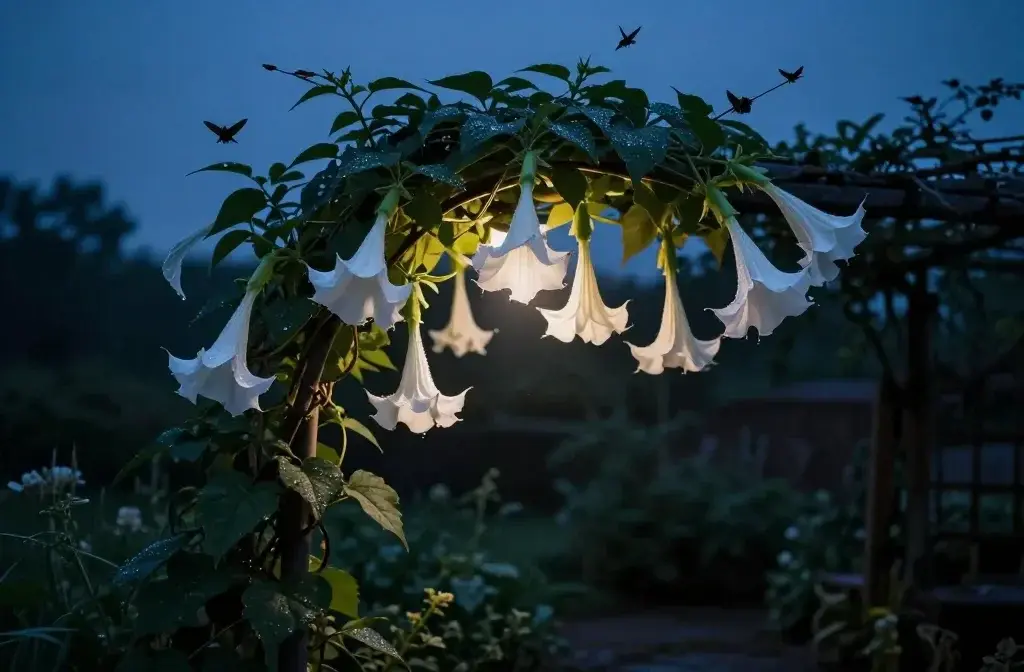
Moonflower Magic: Night Blooming Flowers That Add Mystery to Your Garden
There’s something almost cinematic about a garden that blooms after dark. Moonflowers unfurl like secret lanterns, and suddenly your yard becomes a stage for midnight magic. If you crave color, scent, and a touch of mystique, you’re in the right place. Let’s dive into the nocturnal garden party.
What Makes Moonflowers Truly Moonlit
Moonflowers aren’t just pretty faces. They bloom in the evening, filling the air with a sweet, honeyed fragrance that drifts across your lawn like a velvet invitation. The blossoms open at dusk and often fade by dawn, which keeps things low-key and magical. FYI, they’re not actually related to the sunflowers you see by day; these plants thrive when the lights go down.
– Night-blooming perfume: Moonflowers release their scent when the sun goes down, drawing in moths and night pollinators.
– Dramatic blooms: Large, white trumpet-shaped flowers pop against dark skies, especially stunning when backlit by porch lights.
– Quick to surprise: A single vine can create a beguiling focal point in a border or trellis.
Choosing the Right Moonflower Varieties
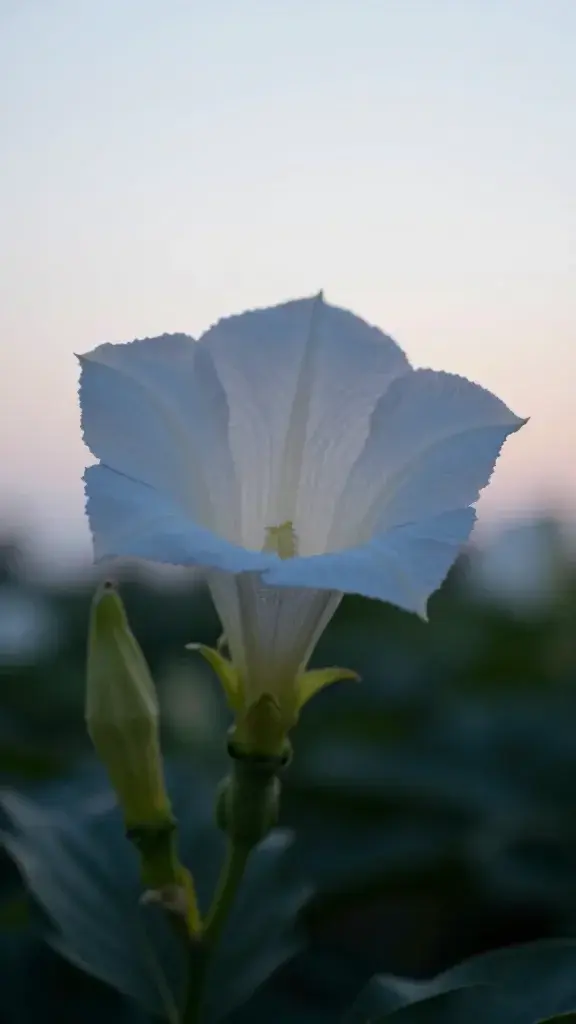
Not all moonflowers bloom the same way. Picking the right varieties is like choosing a flavor for a late-night snack—only better, because you’ll actually be eating with your eyes.
Ipomoea alba vs. Ipomoea stockensis
– Ipomoea alba is the classic: big, pure white blooms that glow in the moonlight. It’s the crowd-pleaser you’ve probably seen in garden blogs.
– Ipomoea stockensis is a bit rarer, with flowers that might show a hint of lilac as they age. It’s perfect if you crave a touch of variety without compromising the moonlit vibe.
When to plant
– Start indoors 6–8 weeks before your last frost, then transplant after danger passes.
– In warm climates, you can direct-sow in spring. If you’re in a cooler area, give them a warm start indoors so they’re ready to climb when nights stay warm.
How to Grow Moonflowers Like a Pro (Without the Drama)
Garden success stories involve a mix of sun, shade, and a little TLC. Moonflowers like a sunny start but crave sweet, fertile soil and something to climb.
– Light: They adore full sun to part shade. More sun means bigger blooms, but a sheltered spot helps them survive those surprise late-spring cold snaps.
– Soil: Well-draining, moderately rich soil works best. If your soil is heavy clay, mix in compost and perlite to improve drainage.
– Water: Keep the soil evenly moist, especially during young plant stages. Avoid soggy feet; nobody wants a soggy drama queen.
– Support: Give them something to climb—fences, trellises, or arbors work beautifully. They’ll wrap themselves around the structure in a viney embrace.
Care tips for lush blooms
– Mulch to retain moisture and keep weeds at bay.
– Deadhead spent blooms to encourage continuous flowering.
– Fertilize sparingly; moonflowers aren’t hungry giants. A light feeding in spring is plenty.
Staging Your Nighttime Show: Design Ideas
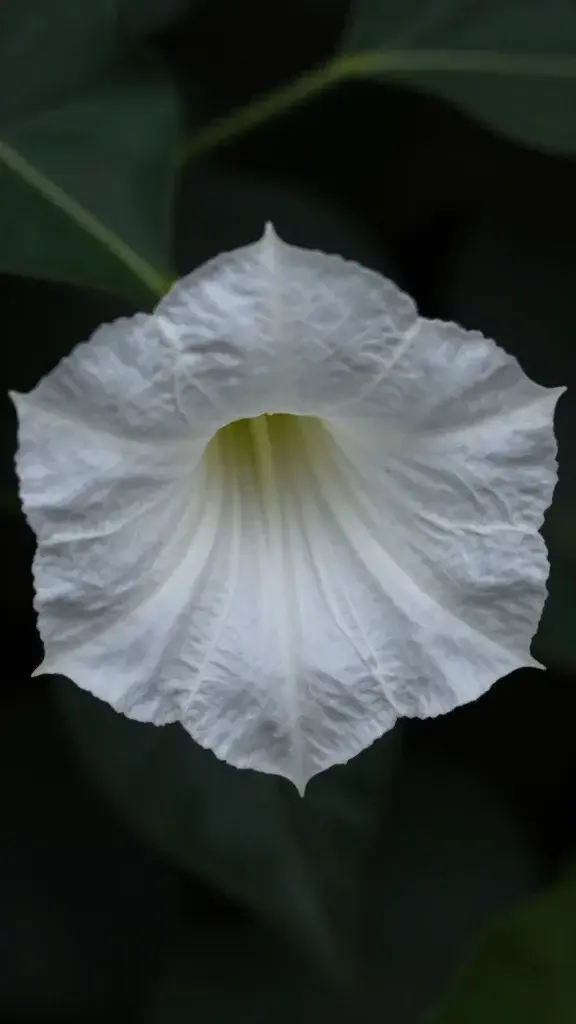
How you place moonflowers shapes the whole experience. Think drama, not just decoration.
– Entryway magic: Tie vines to a trellis near a doorway. As you open the gate at twilight, the flowers greet you like a soft, scented spotlight.
– Privacy with flair: Use moonflowers on a trellis or arbor to create a fragrant screen that’s perfect for evening conversations.
– Container drama: If you’re short on ground space, climb a tall container setup. A hanging basket can also work if you choose compact or trailing varieties.
– Pairing: Moonflowers pair beautifully with night-scented companions like nicotiana, evening primrose, or lavender. The perfume chorus hits all the right notes after dark.
Enter the Scent: Moonflowers and Pollinators
Smell isn’t everything, but in this case, it’s a big part of the experience. Moonflower fragrance isn’t overpowering—it’s a gentle, sweet perfume that lingers like a memory.
– Moths as guests: The scent lures night pollinators, which helps with fruit set if you’re growing related plants.
– Timing: The strongest scent usually appears after dusk and tapers off by morning. If you’re planning a scented corner, place it near a seating area so you can enjoy the aroma while you sip your evening drink.
– Balance the garden: Don’t plant moonflowers in the middle of a scented jungle. Give them space to shine without overwhelming other fragrances.
Common Troubleshooting: Quick Fixes for Night Bloomers
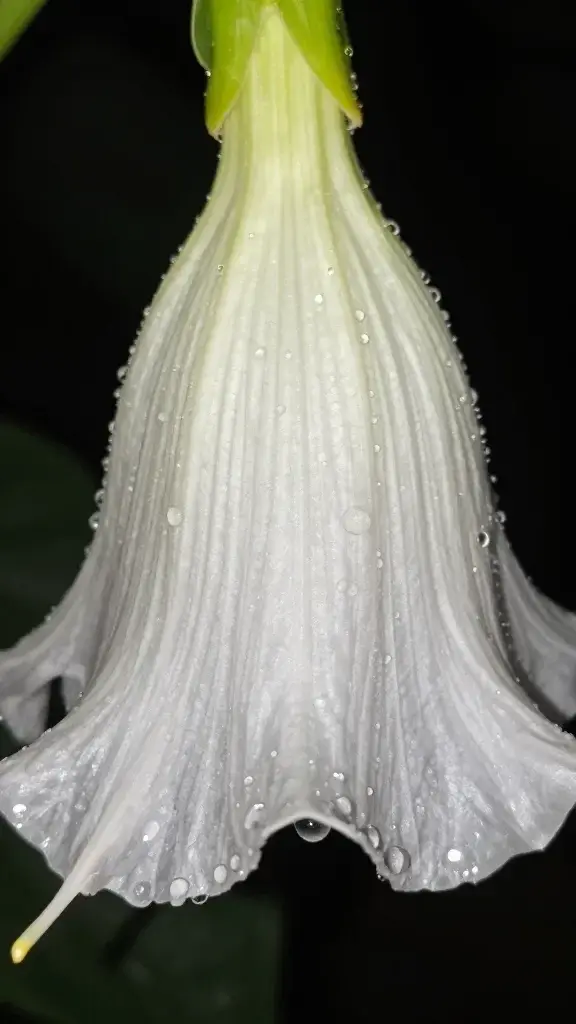
No garden is perfect, and moonflowers have their quirks. Here’s a fast reality check so your show doesn’t flop.
– Slow to start: If plants seem reluctant, give them a warm spot with morning sun and a good mulch layer to regulate moisture.
– Wilting in heat: Deep watering early in the day helps plants cope with heat waves. A light afternoon shade can also prevent scorched leaves.
– Pests and diseases: Look out for aphids and slugs. A gentle spray of soapy water or a hand-pick can deter them, while good airflow reduces fungal risks.
– Leggy vines: If your vines stretch too far without flowering, they may be competing for nutrients. Feed lightly and prune back leggy growth to encourage bloom production.
Moonflower Alternatives: If You Want the Night Bloom, But Different
If moonflowers aren’t a fit for your space, there are nighttime bloomers that deliver similar vibes with their own twist.
– Datura (angel’s trumpet): Dramatic, big flowers and a powerful fragrance, but handle with care—it’s toxic. Not kid-friendly.
– Evening primrose (Oenothera): Sweet scent and bold textures with a more cottage-garden feel.
– Night-scented stock: A spicy, clove-like fragrance that wafts in the evening and pairs nicely with other annuals.
FAQ
Are moonflowers poisonous?
Moonflowers themselves aren’t typically eaten, and the flowers are generally considered non-toxic to humans in small quantities. Still, keep them away from curious pets and children who might nibble on leaves. If you’re unsure, it’s best to plant in a spot out of reach and enjoy the display from a safe distance.
When do moonflowers bloom best?
Most moonflower blooms open in the evening and last through the night, fading by morning. They love warm, sunny days and cool, comfortable nights. If you’re in a hot climate, provide some afternoon shade to prolong bloom time.
Can I grow moonflowers in containers?
Absolutely. Use a tall, sturdy container with good drainage, and provide a trellis or stake for climbing vines. Container moonflowers give you flexibility to move them to catch the best light and scent.
Do moonflowers need a lot of care?
Not really. They like sun, decent soil, regular watering, and something to climb. They’re low-maintenance when you’re not chasing perfection. If you want a dramatic show, a little pruning and deadheading keeps the bloom coming.
How can I make the scent stronger?
To emphasize fragrance, plant near seating areas and avoid overpowering neighboring scents. Evening temperatures also help; the cooler nights often intensify the aroma. FYI, don’t spray fragrance sprays or strong scents near the plants—natural perfume is the star here.
Conclusion
Moonflower magic isn’t about a single big bloom. It’s about an entire evening ritual: the first hints of fragrance, the soft glow of white blossoms against dark foliage, and the thrill of stepping outside into a garden that feels almost secret. With the right variety, location, and a little care, your night garden becomes a living, breathing story you tell with scent and shape. So grab a trellis, coax those vines up, and let the moonflowers do the talking. IMO, it’s the chic anti-dawn you didn’t know you needed. User-friendly, low-drama, and totally enchanting—that’s the Moonflower promise.
Leave a Reply