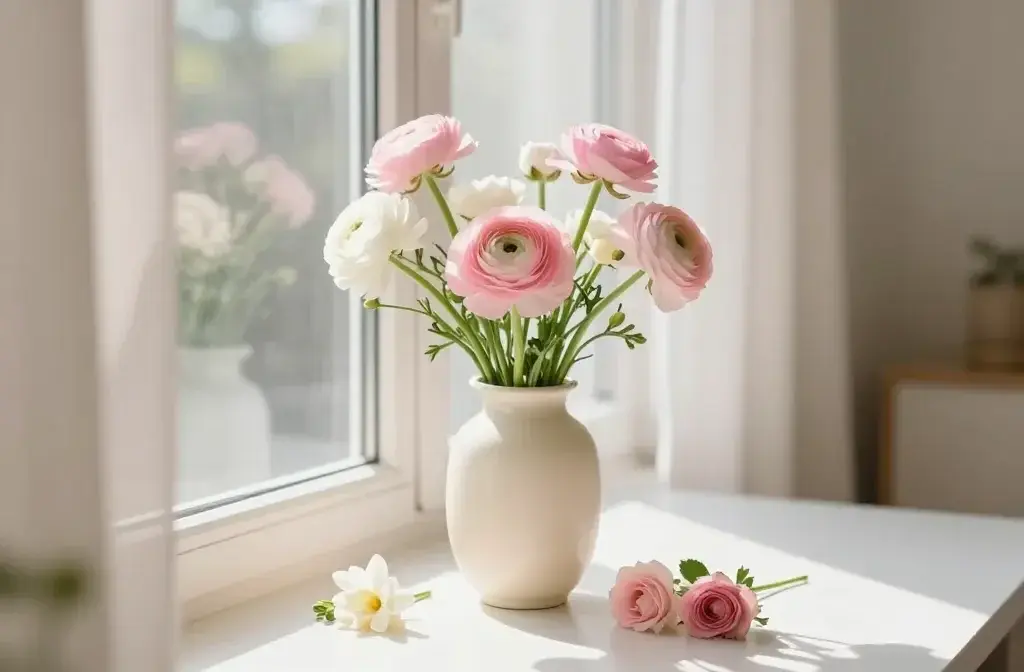
If you want your home to feel instantly breathable, fresh, and alive, you don’t need a thousand different plants. You just need the right natural flowers, a dash of scent, and a little know-how. Let’s skip the fluff and get you smelling, seeing, and feeling the difference in minutes.
Why natural flowers instantly uplift a room
Fresh flowers do more than look pretty. They trick your brain into thinking everything’s brand-new, even if the neighbors are mowing at 7 a.m. Again. The color pops, the fragrance adds a mood, and the vase becomes a mini focal point. FYI, science-ish stuff aside, flowers just make spaces feel cared for. And that warm, inviting vibe? It sticks.
Bright blooms that perk up small spaces
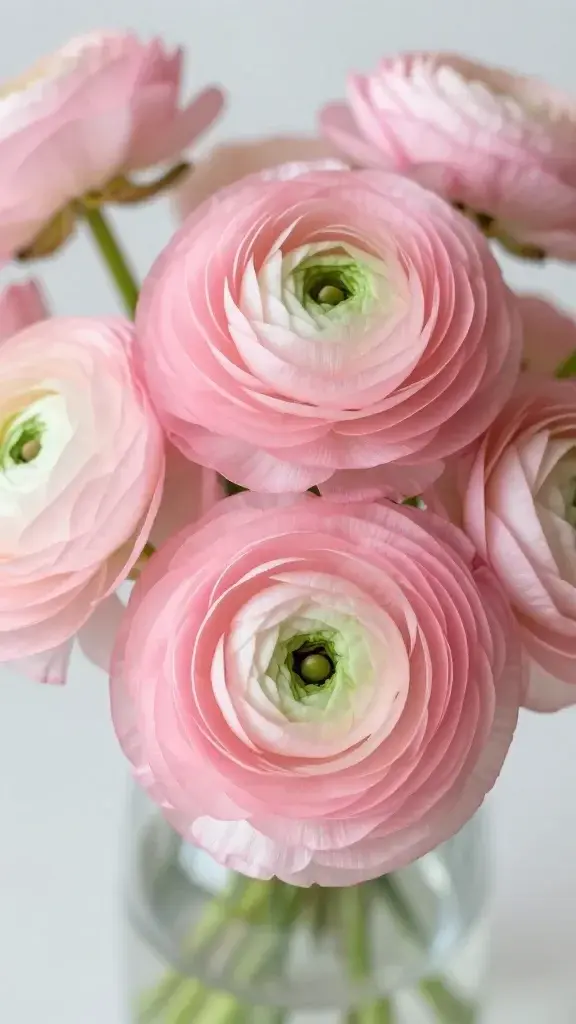
Small apartments deserve big personality without clutter. Look for compact stems and bold color combos that don’t overwhelm.
- Ranunculus in soft pinks and whites adds drama without taking up space.
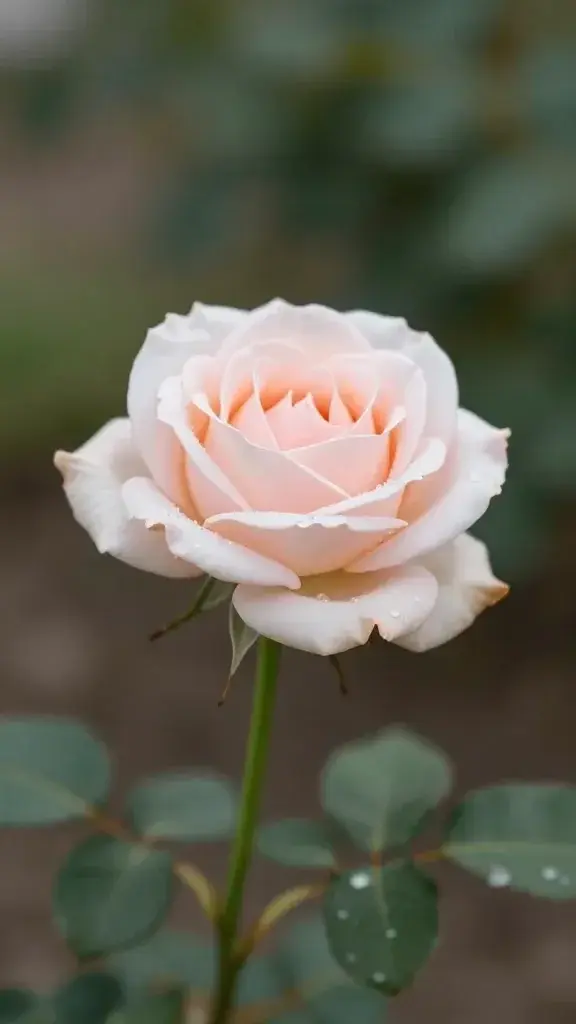
- Mini roses tucked into a midday corner bring romance and fragrance.
- Sprigs of freesia with their sweet scent brighten edges without screaming “look at me.”
Fragrance-forward flowers that don’t overpower
If you love a subtle smell rather than a full-on perfume, pick varieties with a gentle presence.
- Lilies (stargazer or asiatic) offer a clean, classic scent that isn’t overwhelming in a standard living room.
- Hyacinths give a sunny, clove-y aroma—great for the kitchen or entryway.
- Gardenias for drama in a vase if you’re not allergic to the scent’s intensity.
Seasonal picks that keep things fresh year-round
Rotate with the seasons so your home always feels of the moment.
Spring refreshers
– Tulips in the mix bring that happy, upward energy.
– Freesia again earns its keep—try mixed color bunches for a playful vibe.
Summer glow
– Sunflowers add sunshine even on cloudy days.
– Dahlias deliver bold shapes and long-lasting beauty.
Autumn warmth
– Chrysanthemums and marigolds layer in warm tones.
– A single protea can act as an architectural anchor in a vase.
Winter calm
– Cyclamen and poinsettias (non-holiday months, if you’re sensitive to care needs) stay compact.
– Orchid stems bring elegance with minimal daily fuss.
Care tips that actually work (without turning your home into a greenhouse)
Let’s keep things simple. You don’t need to be a floral designer to get a fresh look that lasts.
- Trim smart—cut stems on an angle and refresh water every 2–3 days.
- Water wisely—change water when it starts to look cloudy, not just when it runs dry.
- Location matters—keep vases away from direct sunlight and heat vents.
- Food for flowers—a tiny pinch of sugar or a flower preservative helps, but don’t overdo it.
- Clean containers—wipe the vase edges so slime doesn’t cling to stems.
Vase psychology: choosing containers that boost the vibe
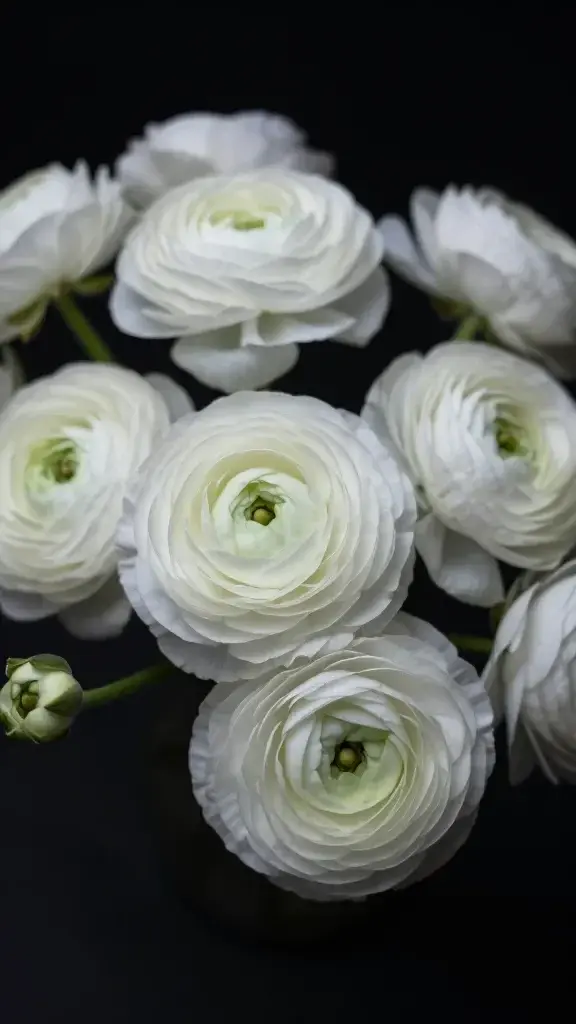
Your vase is a secret weapon. A striking container can turn a simple bouquet into a statement piece.
- Low, wide bowls feel fresh and modern for modern spaces.
- Tall, slender vases elongate stems and create drama with minimal arrangement.
- Clear glass shows off stems and roots, giving a clean, airy look.
- Muted ceramic adds warmth without stealing the show.
When deadheading isn’t optional
Maintenance matters more than you’d expect. Removing spent blooms extends the life of the bouquet and keeps the arrangement looking intentional.
- Snip away faded petals and withered leaves as you notice them.
- Rotate the bouquet’s position every few days to keep shading even and prevent droopy stems.
- Use a clean knife or scissors to avoid crushing stems.
DIY arrangements that feel store-bought (without the price tag)
You can craft chic looks with a few simple techniques.
- Group flowers in odd numbers for a natural, balanced feel.
- Pair a bold bloom with delicate greens to create contrast.
- Layer textures—combine petals with airy filler greens like ruscus or eucalyptus.
FAQ
How long do natural flower arrangements typically last?
Most fresh arrangements stay vibrant for 5–9 days with regular water changes and trimming. If you keep the vase away from heat and sun, you’ll squeeze out a few extra days.
What are foolproof flowers for beginners?
Go with sturdy, long-lasting options like tulips, carnations, daisies, or chrysanthemums. They tolerate a bit more neglect and still look fresh.
Can I mix fake and real flowers?
Sure, but aim for balance. Use real flowers as the focal point and sprinkle in a few high-quality faux stems for texture or color that lasts.
How can I make a bouquet smell stronger without overpowering the room?
Choose lightly scented options (hyacinths, freesias, lilacs in season) and keep them in a room where the scent won’t clash with cooking or cleaning agents. For a more subtle effect, you can add a couple of citrus peels in the vase area to enhance freshness without flooding the space.
What if someone in the house has allergies?
Select low-dust varieties and keep arrangements out of bedrooms if needed. Regularly dust greenery to reduce pollen buildup, and consider allergen-friendly greens like eucalyptus rather than highly fragrant blooms.
Conclusion
Natural flowers are your fast track to a home that feels instantly fresh and inviting. With the right picks, smart care, and a little styling, you’ll have a space that looks like it was curated by a chic floral assistant—minus the service fee. So go ahead, grab a bouquet, and watch your rooms wake up. IMO, you’ll wonder how you ever lived without that easy pop of life. FYI, the joy of a well-placed arrangement is contagious. Ready to try a new combination this weekend?
Leave a Reply