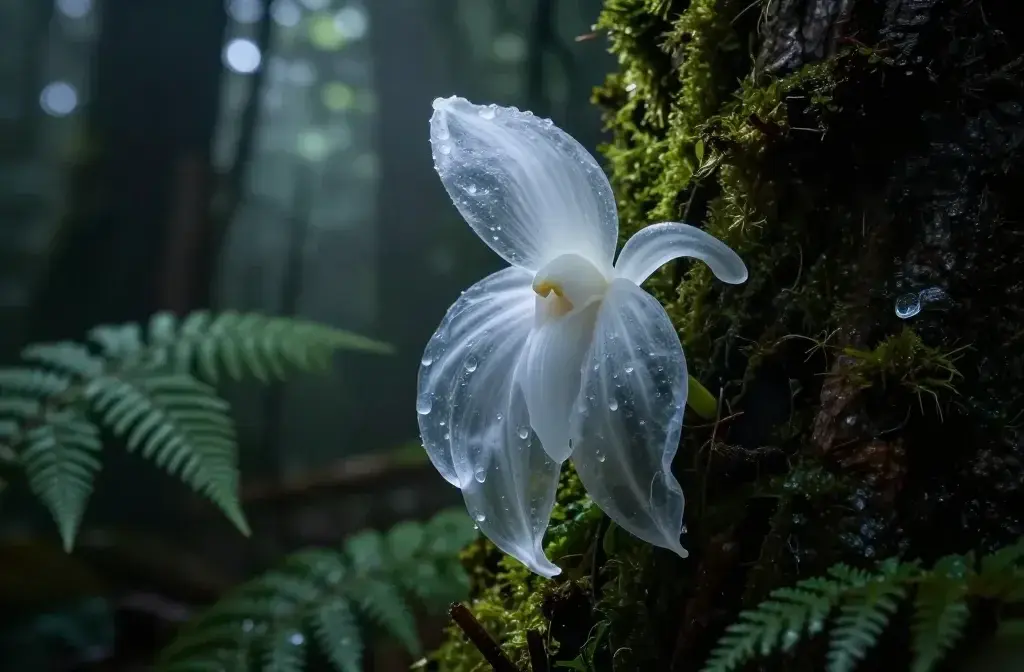
You’ve probably never seen most of these blooms. And that’s exactly the point. They’re rare, they’re gorgeous, and they’ll make your garden or coffee-table plant envy go into overdrive. Strap in for a tour of flowers that feel like secret VIPs of the plant world.
What makes a flower feel “rare” in the first place?
Rare doesn’t just mean “hard to spell.” It means limited distribution, quirky blooming quirks, or a story that sounds almost too wild to be true. Some flowers exist in tiny pockets of the world; others are rare because they’re hyper-seasonal or notoriously finicky about soil, light, and humidity. Curious fact: some blooms only open for a few hours, then vanish like a cameo from your favorite indie musician. FYI, if you love novelty, this is the field day you’ve been waiting for.
Ghost Orchid (Dendrophylax loxaflora): The Sneaky Bell of the Swamp
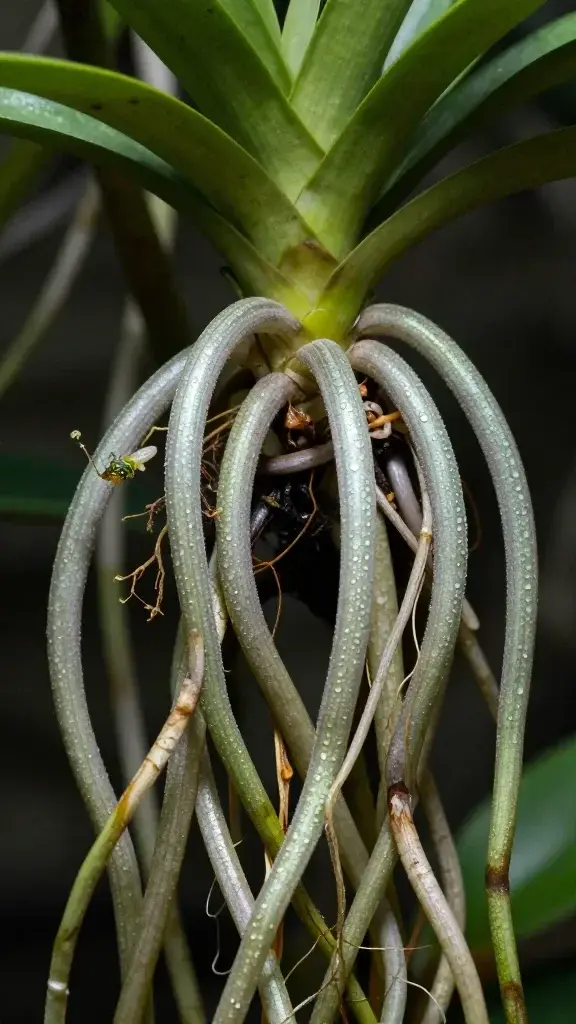
- Why it’s rare: It has no leaves and photosynthesizes through its roots. That’s right—no green leaves, just a ghostly silhouette clinging to trees in Florida and Cuba.
- What you’ll notice: A pale, otherworldly bloom that looks like a white marionette flower dancing in the air.
- I want one because: It’s the plant-world equivalent of a myth you can actually own. Plus, if you’re into audio drama vibes, it feels like something out of a paranormal podcast.
Deep dive: Conservation drama
The Ghost Orchid is famously hard to grow in cultivation. It demands specific mycorrhizal relationships and precise humidity. People fly in to see it at the Bok Tower Gardens and whisper to it like it’s a shy celebrity. If you’re lucky enough to spot one, you’ll know you’ve witnessed a rare moment in botany.
Kadupuraha Lily (Lilium kadu)**: The Jungle’s Hidden Trombone
- Where it hides: Southeast Asian forests, blooming during the monsoon with a fragrance that could wake the rain itself.
- Visuals: Deep crimson petals with electric gold stamens that look like someone sprayed fireworks at the flower’s center.
- Care note: This one wants warmth, humidity, and a long attention span. Don’t forget to water, but don’t drown it—nobody loves a soggy diva.
Subsection: The fragrance that fools pollinators
Some rare lilies lure pollinators with scents that mimic ripe fruit or even decaying matter. It’s basically floral trick-or-treating—delicious for the plant, slightly questionable for the bees, and totally fascinating for us humans.
Black Bat Flower (Tacca chantrieri): The Velvet Night
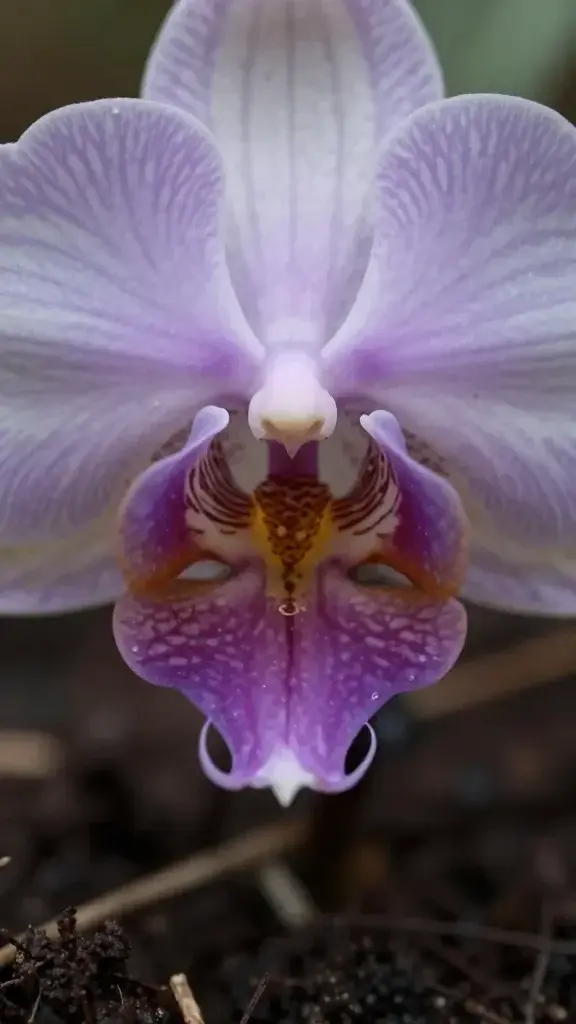
- What makes it so famous: It looks like a creature from a sci-fi poster—long whiskers, dark petals, and a bold, theatrical vibe.
- Bloom timing: Usually late spring to early summer, if you live somewhere with the right warmth. Indoors, you can coax it with bright but indirect light.
- Care pearls: High humidity, steady moisture, and a pot that’s big enough for it to stretch its dramatic wings.
Subsection: Styling tips for dramatic blooms
Pair a Black Bat Flower with simple foliage and a neutral pot. It’s the focal point, not the supporting actor. FYI, dramatic requires drama-free neighbors—no overly aggressive cacti stealing the spotlight.
Corpse Flower (Amorphophallus titanum): The Komodo of Blooms
- Why it’s legendary: It’s enormous, it stinks like a decaying snack, and it opens infrequently, which makes every blooming event feel like a planetary alignment.
- Bloom reality check: It can take years to a decade to flower in a garden, and when it does, the bloom lasts only 24 to 48 hours.
- Practical thrill: If you’re into botanical museums or urban jungles, catching it in person (or at least online streams) feels like witnessing a meteor shower of petals.
Shrubby Vernonia’s Peacock Flower (Caesalpinia gilliesii): The Peacock’s Secret
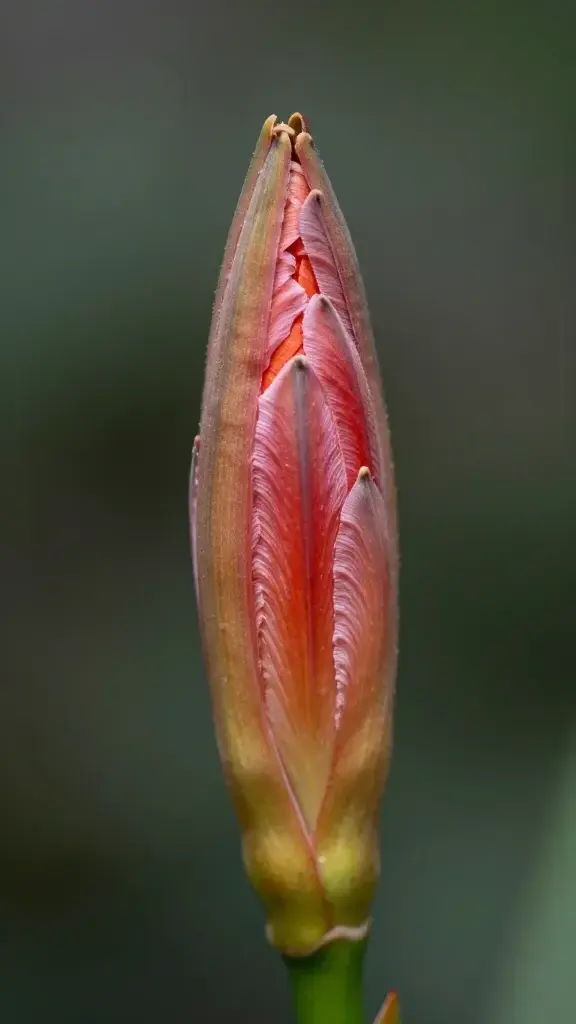
This beauty is less famous than the giants above but no less striking. It sports vivid, feather-like blooms in sultry hues and thrives in warm climates with a dash of sun. It’s the underdog that shows up to the garden party wearing a sequined jacket.
5 Practical Tips to Grow Rare Flowers Without Losing Your Mind
- Know the microclimate: Rare blooms often require a precise combo of light, humidity, and temperature. If your windowsill is a desert, don’t plant a rainforest diva there.
- Be patient: Some bloom cycles are unpredictable. Set expectations and enjoy the journey, not just the petals.
- Soil and drainage: Most rare flowers hate wet feet. Use well-draining soil and pots with drainage holes. Your future self will thank you during storms.
- Pollination hack: Some rare blooms need specific pollinators. If you’re keen, you can attempt hand-pollination for a sense of DIY botany glory (and bragging rights).
- Conservation matters: Buy from reputable growers who protect wild populations. We’re here to admire, not over-harvest the planet.
From Wild to Wonderful: Bringing Rare Vibes to Your Home
If you don’t live in a cactus republic or a cloud forest, you can still curate a collection that nods to rare beauty. Look for cultivars that mimic the rare-flower vibe—deep colors, unusual shapes, and interesting textures. IMO, a single statement plant beats a dozen average ones any day. And yes, you’ll absolutely Instagram it until your phone says “battery low.”
FAQ
Why are these flowers so hard to find in gardens?
They require special growing conditions, often very particular humidity, temperature, and soil chemistry. Some live in tiny wild pockets, so cultivation isn’t just about planting a bulb—it’s about recreating a microhabitat. Also, some are protected, so you’ll mostly see them in botanic gardens or through careful, responsible growers.
Can I grow any rare flower indoors?
Yes, but set realistic expectations. Some bloom spectacularly indoors with the right light and humidity. Others barely tolerate indoor life. Start with ones that adapt well to pots and brighter rooms, and you’ll build confidence before you tackle the more finicky varieties.
Are rare flowers worth the effort and cost?
Absolutely—if you’re in it for the experience, not just the display. They spark joy, teach resilience, and, let’s be honest, they’re conversation starters. FYI, you’ll probably fail a few times, but those failures are part of the fun.
Where can I see these blooms in person?
Botanical gardens and orchid/aquatic plant shows are your best bets. Many rare species travel for exhibitions, so keep an eye on garden calendars and news releases. If you’re lucky, you might catch a bloom during a guided tour or a special event.
What should I prioritize if I’m a beginner?
Pick one or two that tolerate common household conditions first, like warmth, moderate humidity, and bright indirect light. Master those, then branch out to the show-stoppers that demand more attention. Slow, steady, and patient wins the rare-flower game.
Conclusion
Rare flowers aren’t just pretty faces; they’re mini adventures you can invite into your space. They teach nuance—about climate, care, and patience—without requiring a lab coat. So go ahead: choose a couple with bold personalities, shower them with your attention, and revel in the tiny, glorious moment when a shy bloom finally unfurls. IMO, the thrill of the rare is half the fun—and the other half is watching your friends do a double-take when you post a new shot.
Leave a Reply