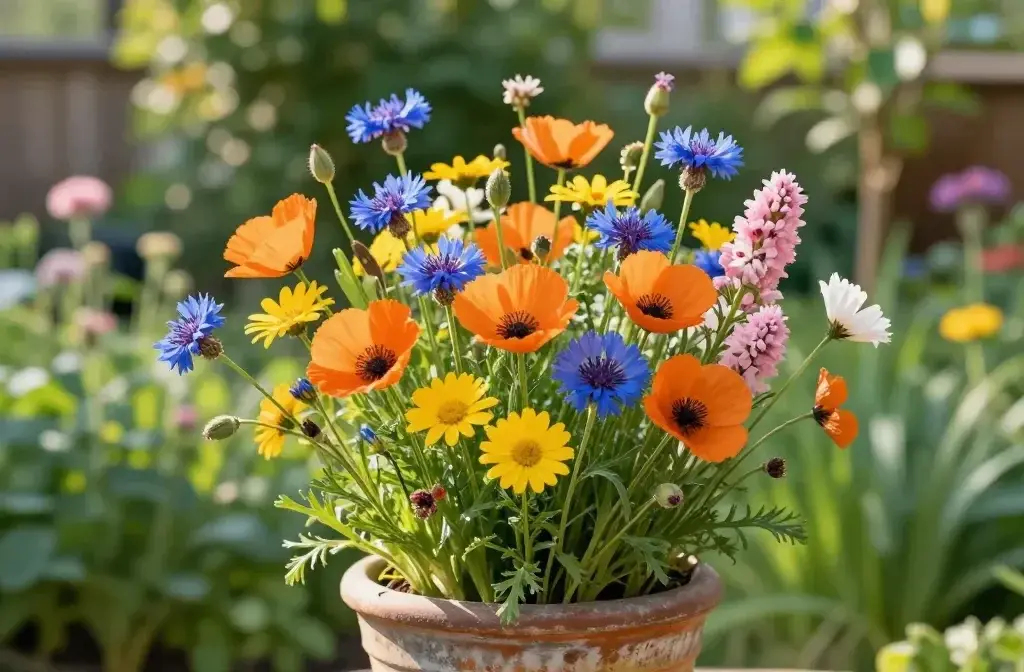
The moment you walk into a space and catch a whiff of fresh greenery or see a splash of color that wasn’t there yesterday, you know: wildflowers are basically nature’s decorators with zero drama. They pop up where you least expect them and somehow make any corner feel a little more alive. No fuss, no tools, just wild charm. Let’s dive into the kind of flowers that bring natural beauty and effortless charm to any space.
What makes wildflowers the original low-maintenance glam squad
Wildflowers have a reputation for being stubborn or messy, but the truth is they’re the friends who show up exactly when you need them. They don’t demand constant care, they don’t need perfect soil, and they’re spectacular at the little things—like a splash of color in a neglected bed or a pop of personality in a pot on the balcony. They thrive on a bit of neglect and a dash of sun, which is basically my gardening love language.
- They’re drought-tolerant varieties that handle dry spells better than your houseplants handle a missed watering.
- They spread their roots and adapt, filling spaces you didn’t even know needed filling.
- They attract pollinators, which means your entire outdoor space feels alive and buzzing.
Top wildflowers that instantly elevate any space
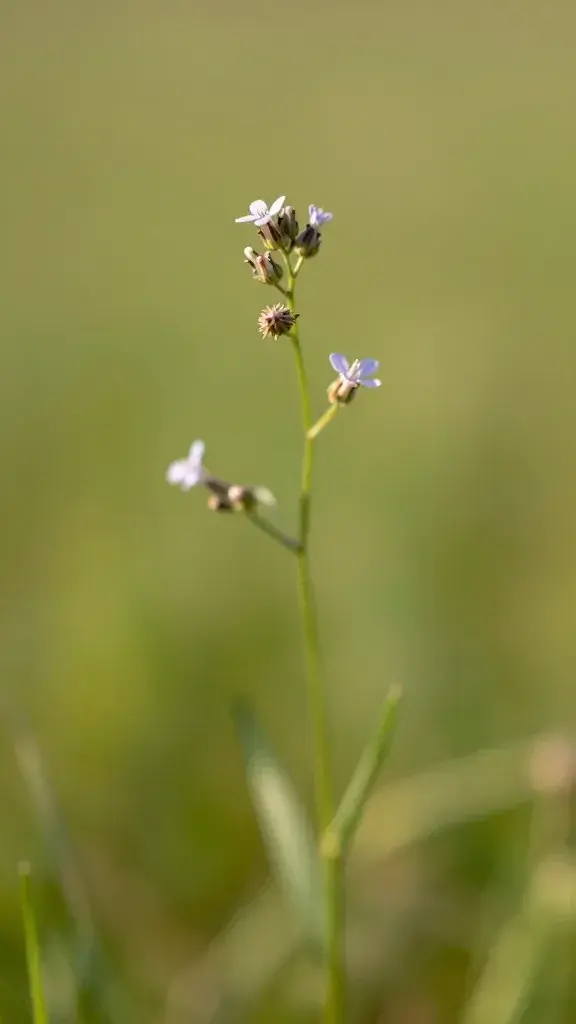
Choosing the right wildflowers is half the fun. You want color, texture, and a vibe that fits your space—from cottage-core to modern minimalist. Here are some crowd-pleasers that work in beds, borders, or containers.
Colorful dazzlers that pop
– California poppy: Bold orange with a carefree wisp of petals. They love sun and look dramatic with minimal effort.
– Coneflower (echinacea): Pink to purple, sturdy stems, and a long bloom season. It’s the “put a crown on it” flower.
– Blanketflower (gaillardia): Bright, sun-loving, and cheerful—perfect for year-round warmth in your yard or a sunny pot.
Soft, ethereal touches
– Baby’s breath (gypsophila): Delicate clusters that soften any edge. Great as a backdrop to bolder blooms.
– Lupines: Tall spires with rosette leaves; they add vertical drama without needing a trellis.
– Yin grasses and wildflowers mix: Not a single bloom, but texture and movement that feel almost choreographed by the breeze.
Where wildflowers truly shine: spaces that benefit the most
Wildflowers aren’t picky about location; they’re adaptable. Still, some spots sing louder than others.
Container gardens that look like a painter’s palette
If you don’t have a yard, containers are your best friend. Mix a few compact wildflowers with a couple of tall, airy grasses. Use a fast-draining mix and a pot with drainage holes. Water deeply but infrequently; your plants will thank you with blooms that last.
Edges that invite exploration
A narrow border along a walkway or fence line becomes instantly engaging with a mix of upright blooms and low, sprawling varieties. Plant in groups of three or five for a natural, rambling effect that still feels intentional.
Bare patches, big impact
Empty corners or soil-ridden patches often get ignored. Cover them with a bouquet of hardy wildflowers and watch the space transform from “meh” to “wow, where did that come from?” FYI, mulching helps retain moisture and suppress weeds while these late bloomers establish themselves.
Tips for getting wildflowers to thrive without micro-management
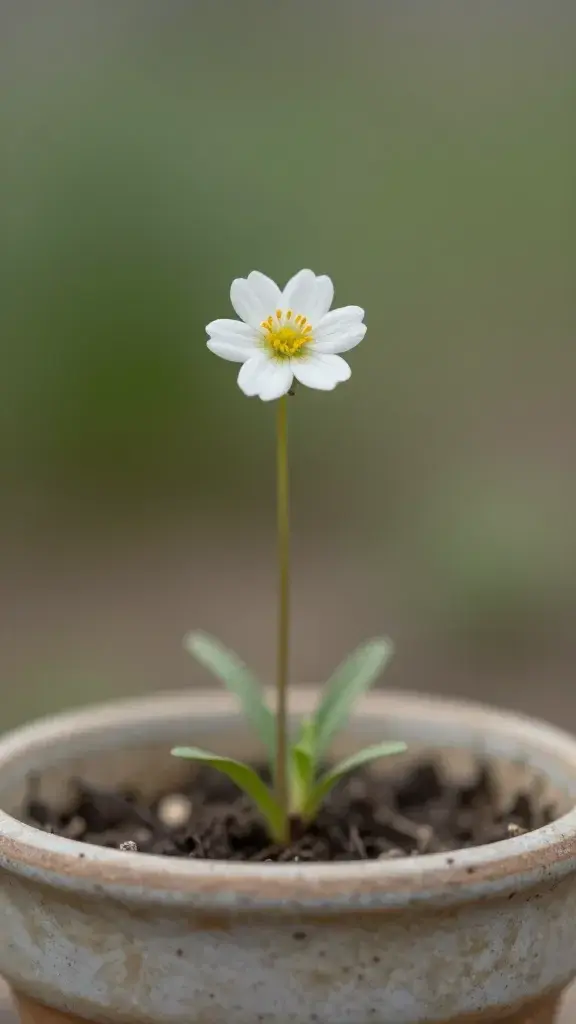
You don’t need a green thumb to make wildflowers flourish. You need a plan that fits your lifestyle and a little patience.
- Choose natives when possible. They’re built for your climate, and you’ll thank them when watering isn’t a daily chore.
- Group by bloom time. Plan a sequence so your space stays colorful for longer rather than all at once, then nothing for months.
- Prioritize good drainage. Wildflowers hate sitting soggy; a simple amendment can save you a lot of heartache.
- Let some mess stay. A few spent blooms for seed heads can keep the cycle going and add a wild-charm vibe.
Managing blooms without turning your space into a full-time project
If you want effortless charm, you need a light touch and smart choices.
Watering with finesse
– Water deeply but less often. Wildflowers store moisture well and don’t need constant wet feet.
– Consider drip irrigation or a soaker hose for efficiency. Your lawn won’t envy your new flowers, promise.
Weed control that doesn’t ruin the mood
– Mulch, mulch, mulch. A good layer reduces weeds and keeps soil moisture stable.
– Hand-pulling pales in importance compared to routine maintenance, but don’t skip it entirely. And FYI, pulling young weeds is easier than chasing a root system later.
Design ideas to maximize drama and charm
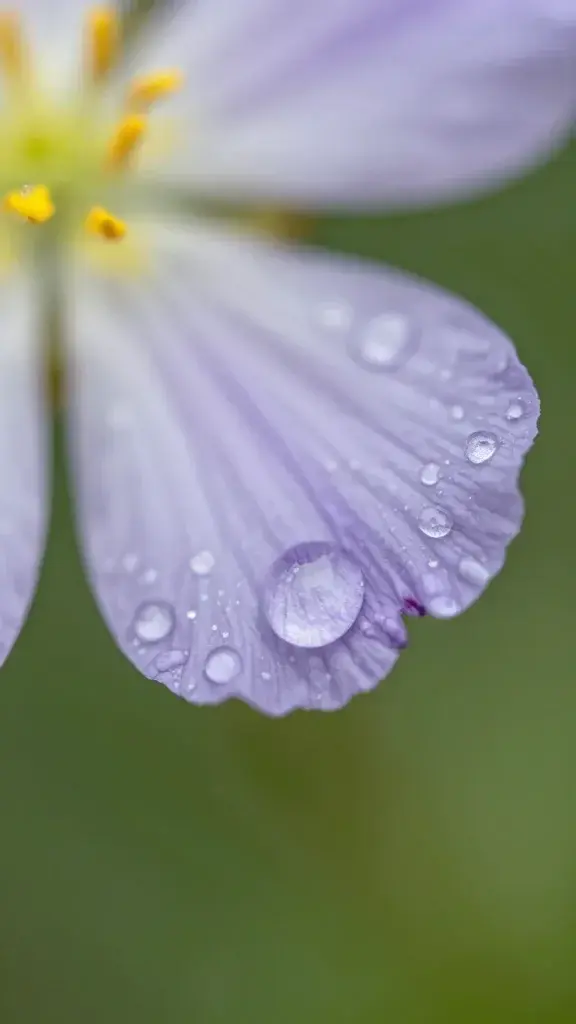
Wildflowers shine brightest when you curate them like a mini landscape design.
- Repeating color accents: pick a signature hue and spread it through the bed for unity.
- Vary heights: mix ground-hugging varieties with mid-height blooms and a few towering statements for a garden-like feel.
- Seasonal rhythm: plan for a spring bloom burst, a mid-summer glow, and a soft fall finale to keep things interesting.
Particular favorites worth trying
If you’re dipping your toes into wildflowers for the first time, these picks rarely fail to impress.
Starter trio for instant charm
– Purple loosestrife (be mindful of invasiveness; check local guidance): joyful purple spikes that light up a border.
– Black-eyed Susan: sunny, fearless, and tough as nails—they pair beautifully with almost any other color.
– Sweet alyssum: tiny, scented, and endlessly forgiving in containers or at the edges.
More adventurous options for the brave
– Coreopsis: long-lasting, bright yellow daisies that feel like sunshine in plant form.
– Monarch-friendly mixes: a blend designed to attract pollinators and, who knows, inspire a butterfly sighting every other day.
– Wild geraniums: a soft pink or lavender touch that softens bolder colors like orange and yellow.
FAQ
Do wildflowers require soil preparation?
Wildflowers don’t demand a perfect soil recipe, but a quick prep helps. Clear debris, loosen compacted soil, and add a light layer of compost. If your soil is heavy clay, mix in some sand or perlite to improve drainage. Simple tweaks, big payoff.
How often should I water wildflowers?
Most wildflowers prefer deep, infrequent watering. Once established, many varieties thrive with weekly to biweekly waterings, depending on your climate. In hot, dry spells, you might water a touch more, but never drown them.
Can I grow wildflowers in containers?
Absolutely. Use a well-draining potting mix and choose compact or container-friendly varieties. Ensure the pot has drainage holes and a sun-soaked spot. Regular deadheading keeps the container looking tidy and encourages more blooms.
Are wildflowers invasive threats in disguise?
Some wildflowers can spread aggressively. It’s smart to check your local guidelines and opt for natives or non-invasive mixes. If a plant starts taking over beyond its space, trim back and, if needed, replace it with a more controlled option.
What’s the best time to plant wildflowers?
Spring and fall are the sweet spots in many regions. Plant when soil temps are cool and rainfall is likely, or when you can reliably water without stressing the plants. If you’re impatient, start with a few pots to test the vibe.
Conclusion
Wildflowers bring natural beauty and effortless charm to any space, whether you’re sprucing up a balcony, a sun-washed garden bed, or a forgotten corner of your yard. They’re hardy, forgiving, and full of personality—like a good friend who never asks for much and always brings color. So why overthink it? Pick a few you love, plant them where you’ll see them every day, and enjoy the little moments of wild-flowers-in-the-wind magic. IMO, you’ll wonder why you didn’t start sooner. FYI, the best part is watching pollinators swoop in and remind you that nature still knows how to throw a party.
Leave a Reply