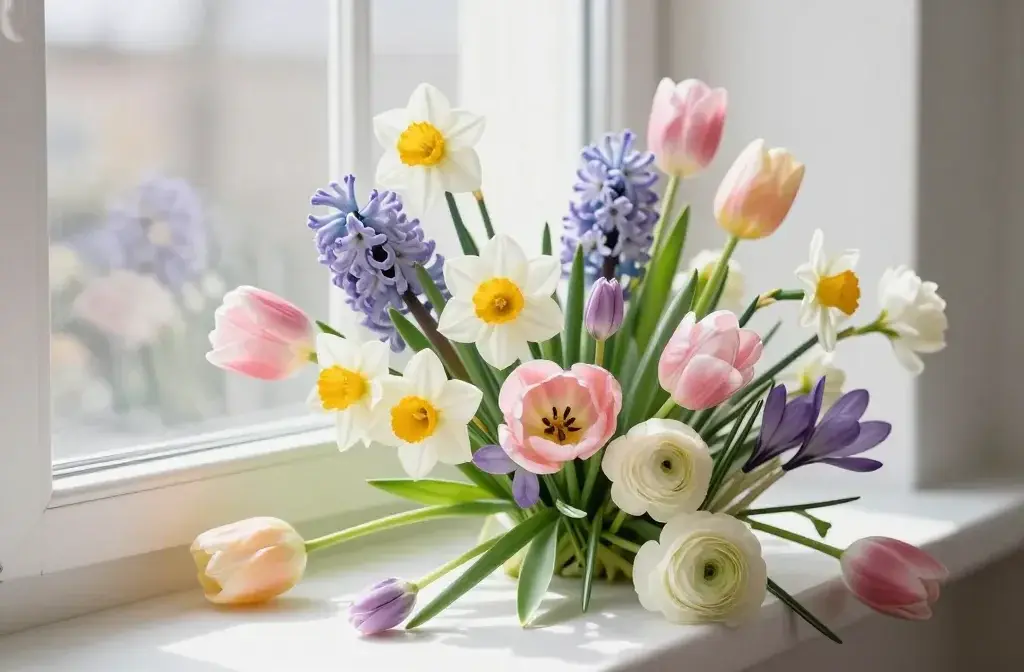
Spring Flowers Guide: The Most Beautiful Blooms to Brighten Your Home
Spring is yelling at us to wake up, plant a smile in the soil, and let colors crash into the living room like confetti. If you want a home that feels lighter, fresher, and just a tad more magical, you’re in the right place. Let’s dive into the blooms that make hearts flutter and spaces shine.
Why Spring Flowers Matter in Your Space
Spring flowers aren’t just pretty faces. They lift mood, spark energy, and remind us that growth isn’t distant—it’s right under our noses. A splash of bloom on a coffee table can transform a gloomy corner into something welcoming. FYI, even a single stem can set a seasonal tone. Ready to curate a little garden party inside?
Best Blooms for Bright, Cheerful Vibes
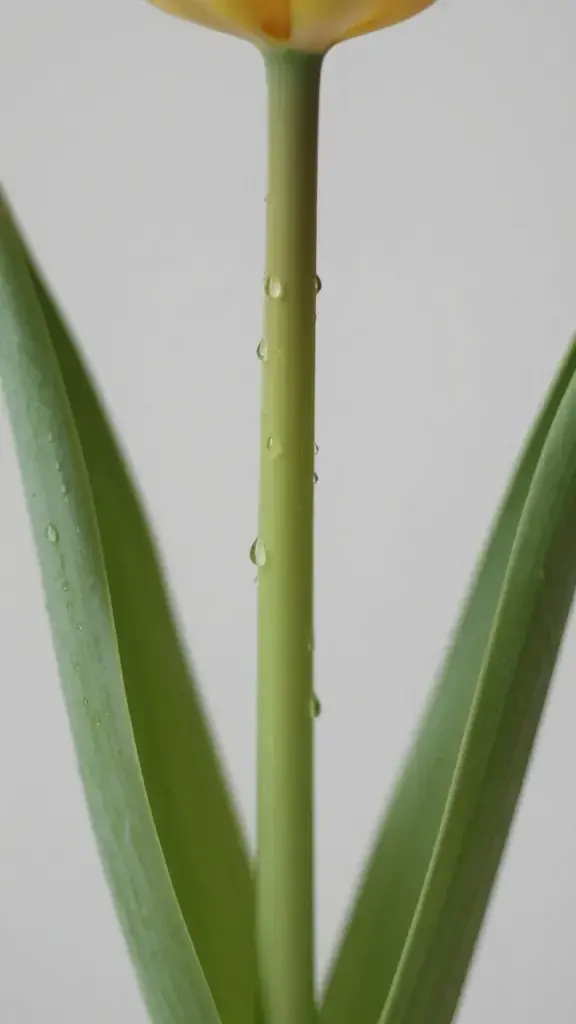
Spring bursts into many varieties, but some shine brightest for home display. Here are crowd-pleasers that are easy to love and even easier to care for.
- Tulips — Classic, chic, and endlessly versatile. Mix bold colors for drama or stick to pastels for serenity.
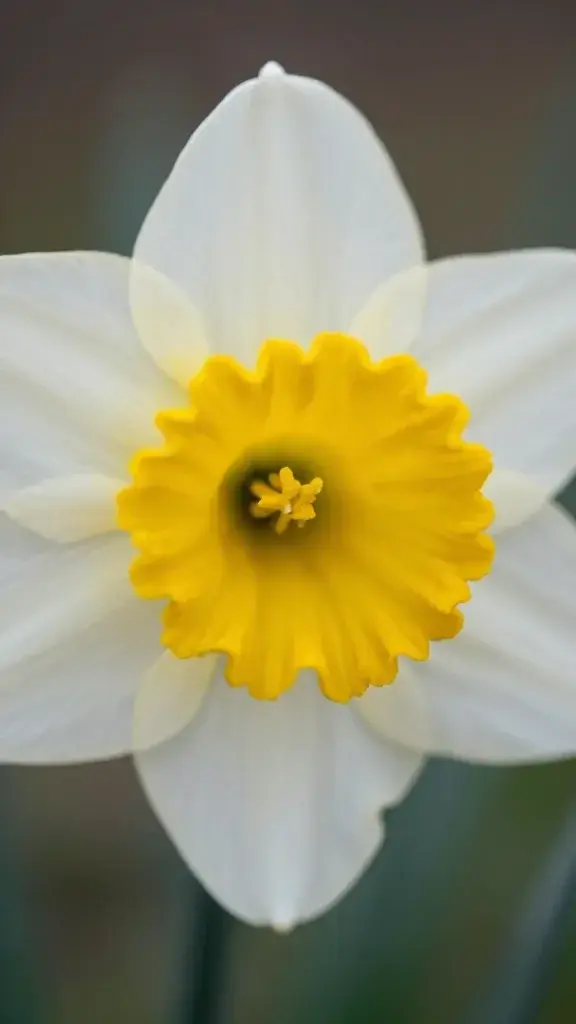
- Daffodils — Sunny yellow, proudly springy. They pair beautifully with greens and whites and scream “Sunday brunch.”
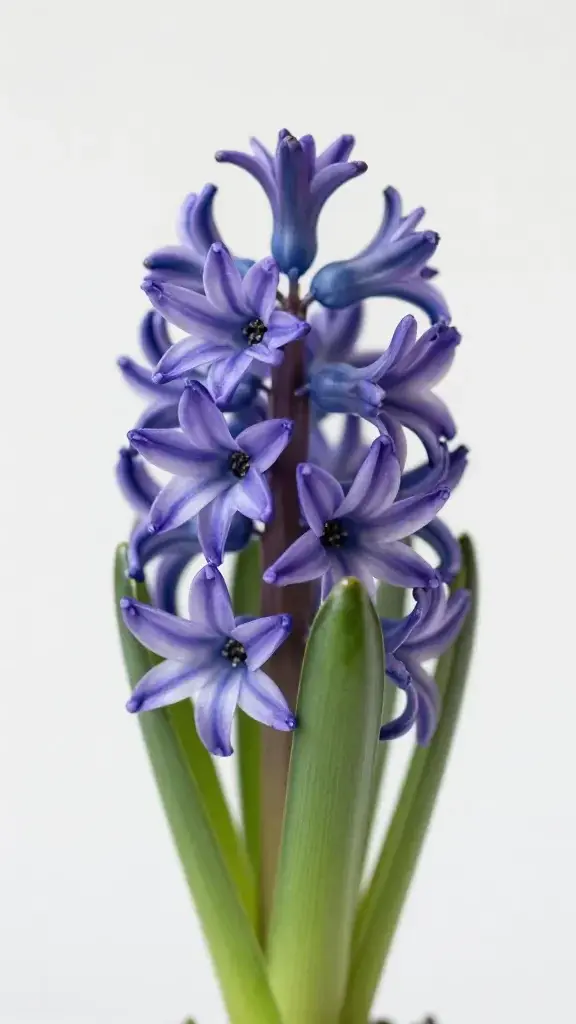
- Hyacinths — Fragrant, dense clusters that make a room feel like a garden party indoors.
- Crocuses — Tiny, mighty bursts of color that wake up early in the season.
- Ranunculus — Velvet layered petals = romance in vase form. Handle with care—delicate, gorgeous, a touch dramatic.
- Anemones — Bold, black-centered daintiness that adds punch without shouting.
- Peonies — Slow to emerge, big on impact. If you spot them, buy all the stems you can—worth the splurge.
How to choose colors that play nicely together
Think in groups, not gulps. Choose a primary color and one or two accents. For example, pale pinks, creams, and soft greens create a dreamy look; bold purples with sunny yellows feel electric. If you’re unsure, go monochrome with varying shades of one hue—sometimes less chaos equals more wow.
Flower Arranging 101: Quick Wins
You don’t need a fancy bouquet station to make magic. A few smart moves will have you looking like a pro without hiring a floral designer.
- Trim stems at an angle to maximize water uptake.
- Remove excess leaves that would sit underwater and rot. No one wants a swampy vase.
- Use clean containers and fresh water. Bacteria is a party crasher.
- Group blooms in odd numbers for natural appeal. Three, five, seven—trust the odd-number gods.
- Rotate the vase every couple days. Your arrangement will thank you with longer life.
Vase hacks for different blooms
– Tulips: Tall, narrow vases keep their dramatic lines. Change water often; they love fresh, clean water.
– Daffodils: They’re a little tuggy with other stems; give them space so nothing gets crowded.
– Hyacinths: Dense heads need a wide base but not a huge footprint. A low, wide vase works wonders.
– Peonies: Shorter stems stay put in a wide, open vase. Let those petals do the talking.
Lighting, Scent, and Mood: Making Every Bloom Sing
We all know lighting changes everything. Soft natural light makes colors pop without shouting at the neighbors. If you’re apartment-bound with only a kitchenette sunbeam, place blooms where the light hits best during the day.
Scent is the other flavor in your bouquet soup. Hyacinths and freesias bring a lush fragrance, but be mindful if you or housemates have sensitivities. If fragrance isn’t your thing, opt for visually striking flowers with minimal scent like ranunculus or anemones.
Creating seasons with placement
– Kitchen counters: Bright blooms uplift mundane tasks.
– Living room coffee table: A statement arrangement anchors the room.
– Entryway: A small vase or a single stem gives a welcoming nod to guests.
Care Tips to Keep Your Blooms Bursting Longer
Fresh flowers are like plants with a deadline—they need regular love. Here are simple rules to maximize vase life.
- Cut stems under running water to avoid air pockets.
- Change water every 2–3 days and re-trim stems a little each time.
- Remove any spent petals or leaves that sit in water to prevent rot and sliminess.
- A splash of lemon juice or a packet of floral preservative can extend life, but plain sugar-water also works surprisingly well in a pinch.
- Avoid placing flowers near heat sources, and keep them away from fruit that releases ethylene gas.
Pet-Friendly and Practical: What to Plant Indoors
If you want spring blooms that survive curious pets or the occasional clumsy human, some choices are friendlier than others.
- Consider dwarf varieties for small spaces; they’re charming and often sturdier indoors.
- Choose cultivars labeled as safe for pets where possible, though always verify specifics for each plant.
- Place more fragile blooms (like peonies) higher up or in sturdy, stable containers to avoid tip-overs.
Low-maintenance champs you’ll love
– Tulips in glass vases with a pale, airy look.
– Daffodils in ceramic jars for a sunny vibe.
– Hyacinths in a decorative tin for fragrance and charm.
Seasonal Substitutes: If Your Favorite Bloom Isn’t Available
Spring markets skip around with supply. If you can’t snag ranunculus, try buttercream peonies or garden roses that mimic the lush look. If hyacinths are scarce, mock the scent with lavender greens and eucalyptus for a spring-green, fragrant echo.
Mix-and-match ideas
– Create a “soft spring” cluster with pale pink tulips, white ranunculus, and greenery.
– Go full-on drama with bold purple irises combined with yellow daffodils.
– Tie a rustic look with lavender sprigs, white daisies, and eucalyptus.
FAQ
How long do spring cut flowers typically last?
Keep them fresh for as long as possible by trimming stems, changing water, and keeping them away from heat. Most cut blooms last 5–10 days, with sturdier varieties like daffodils and tulips at the upper end.
Can I grow these blooms indoors year-round?
Some can be forced indoors with the right setup, especially daffodils and hyacinths. Others, like peonies, are more seasonal and prefer outdoor conditions. FYI, bulbs often do best with a short dormancy period before forcing indoors.
What should I do with wilting blooms?
Remove spent flowers to keep the plant looking tidy and to prevent decay from spreading. If they’re still nice, you can dry them for a vintage bouquet or pressed art.
Are there budget-friendly ways to enjoy spring flowers?
Absolutely. Use grocery-store stems, buy in bulk when possible, or branch into potted plants you can rehome outside later. DIY centerpieces from local markets can be stunning without the designer price tag.
How do I pick blooms that suit small spaces?
Go for compact stems, single-variety arrangements, and clear vases to maximize light and space. Shorter stems or tabletop arrangements work wonders in tight apartments.
Conclusion: Bring Spring Home, One Petal at a Time
Spring is basically nature throwing a party in your living room, and you’re invited. With the right blooms, a few smart arranging tricks, and a plan for care, your home becomes a bright, welcoming sanctuary. So go ahead—pick a few of these beauties, set them where you’ll see them first thing in the morning, and let the season do the rest. IMO, you’ll notice the mood shift before you even finish sipping your coffee. Happy planting, friend.
Leave a Reply