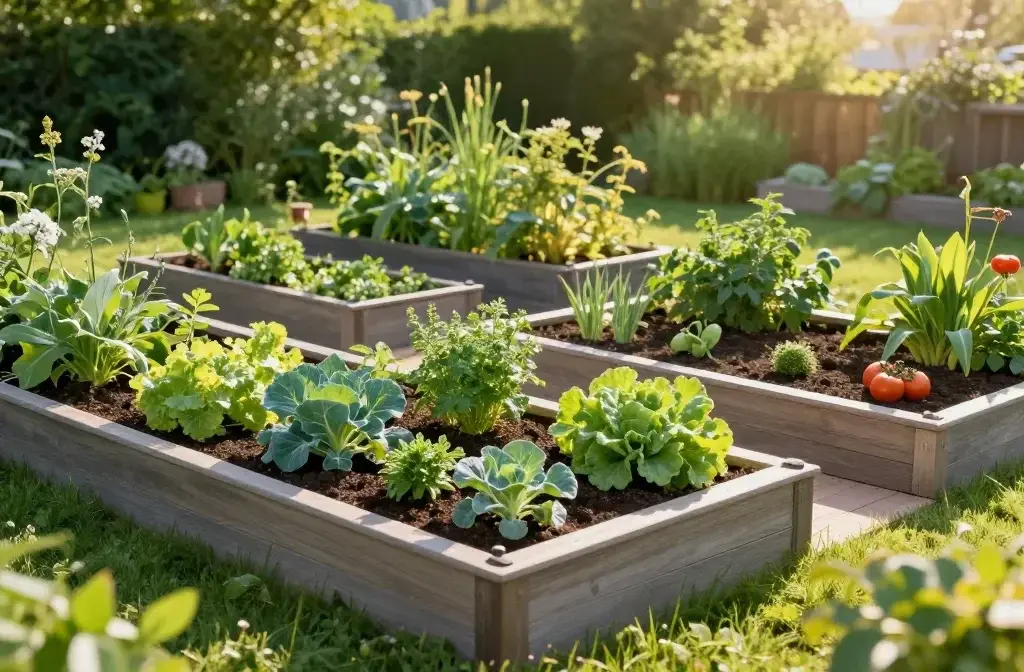
The best thing about raised beds? They take the chaos out of gardening and hand it to you on a silver platter. Bring on less kneeling, better drainage, and soil you actually control. If you’ve ever fought stubborn clay or bored holes through your back trying to reach your tomatoes, you’re in the right place. Let’s level up your grow game with smart, stylish raised bed ideas.
Why raised beds, anyway? A quick pep talk
Raised beds give you more control over soil texture, moisture, and weed suppression. They drain better on rainy days and warm up faster in spring—hello, early harvest. Plus, they look tidy and intentional, which makes neighbors nod in envy or at least stop complaining about the “eyesore” compost pile. FYI, the best bed is the one you actually maintain, so choose dimensions that fit your space and stamina.
Smart bed shapes that actually work
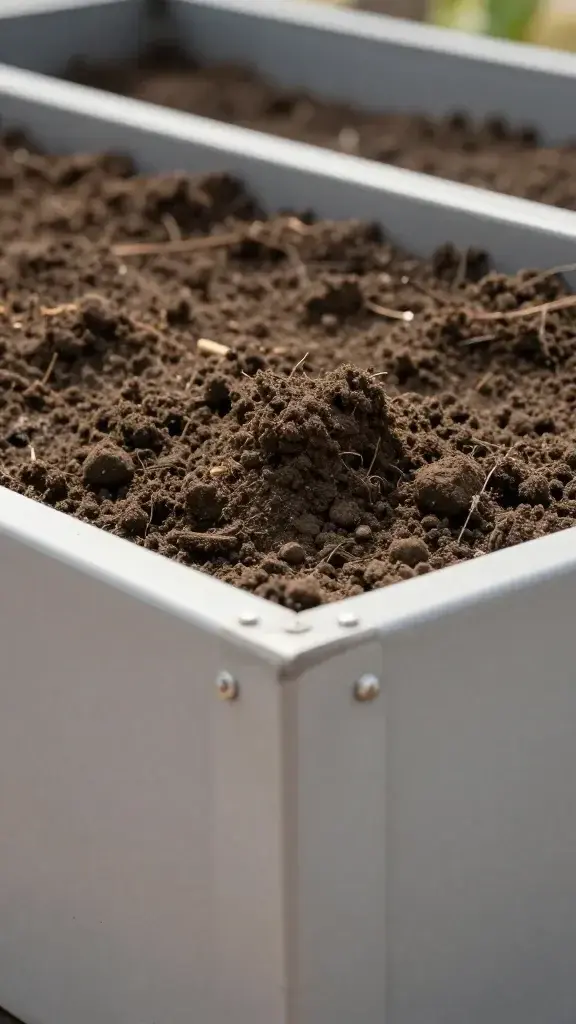
When you design, think function first, aesthetics second. A few shapes tend to optimize space and airflow.
- Rectangular beds remain the all-stars. Easy to water and edge, they maximize planting area per square foot.
- Square or cube beds bring symmetry and make it simple to lay out companion plants.
- Keyhole and circular beds offer excellent access paths with minimal stepping, great for small spaces.
- Tiered or stepped beds boost sun exposure for taller plants and open up space for herbs at the base.
Size guidelines to keep you sane
- Keep bed width around 3 feet so you can reach the center from either side without stepping on soil.
- Length is all about space—moving past 6–8 feet without a center path gets annoying fast.
- Depth should be at least 12 inches for most veggies; 18 inches for deeper root crops like carrots or potatoes.
Soil science without the headache
Your soil is the main event. If you DIY your mix and skip the science, you’ll be bitter when harvest slips away like a drizzle in a drought.
- Fill with a layered approach to balance nutrients and drainage: bulky organic matter on bottom, then a soil mix on top.
- Texture matters: aim for a loamy blend—crumbly, moisture-retentive, and well-draining.
- Compost in moderation to avoid sludgy beds. Think half-rotted, not half-raw.
- Mulch is your friend—2–3 inches helps retain moisture and suppress weeds.
DIY soil mix quick-start
- Top 4–6 inches: compost or well-rotted manure.
- Middle layer: good garden soil or soilless mix.
- Bottom layer: coarse organic matter like wood chips or straw for drainage.
Irrigation that doesn’t turn your garden into a swamp
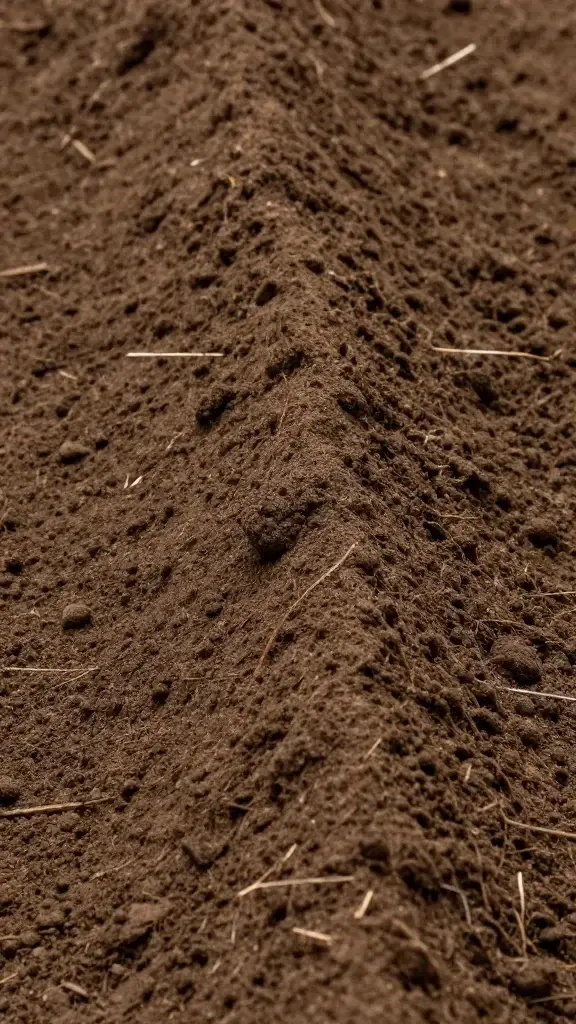
Water management saves time and your plants. Raised beds dry out faster in sun, so plan smart.
- Drip irrigation saves the day with steady moisture at the roots and minimal waste.
- Soaker hoses sneak water directly to soil; nice for beds you forget to water daily.
- Self-watering inserts or a simple mulch layer keeps moisture even on hot days.
Watering schedule quick rule of thumb
Water deeply 2–3 times a week in moderate climates, more during heatwaves. Check soil moisture about 2 inches down—if it’s dry, water. If it sticks to your gloves, you’re good for a day or two.
Planting layouts that boost yields (without turning you into a magician)
The right layout helps plants support each other and makes harvest days less chaotic.
- Companion planting isn’t just lore; some combos deter pests and improve flavor. Think basil with tomatoes for aroma and a little pest resistance.
- Vertical space is free real estate. Use trellises for beans, peas, cucumbers, or vining stuff so you don’t crowd the soil.
- Sequential cropping keeps beds productive from spring to fall. After lettuce, plant carrots or radishes, then maybe peppers later.
Smart seed-to-bed plan
- Early spring: leafy greens and radishes in the cool.
- Mid-spring: transplant tomatoes, peppers, and squash once the danger frost is behind you.
- Late summer: fast growers like beans and spinach for a fall harvest.
Materials that stay friendly with your budget and the planet
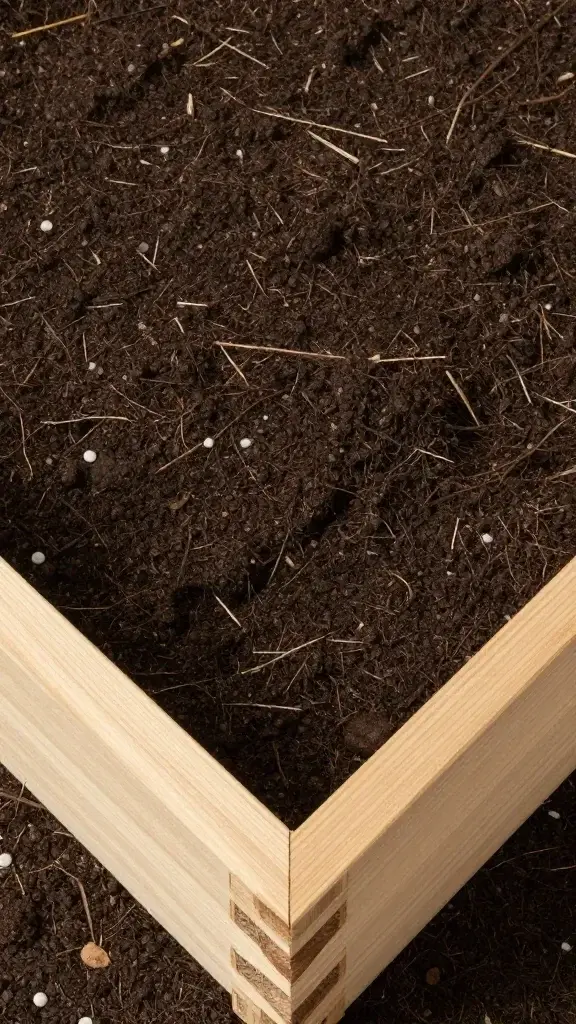
You don’t need to break the bank or chop down a forest to build a bed.
- DIY frames from cedar, redwood, or pine. Cedar lasts longer and resists rot, though it costs more.
- Reclaimed materials like old pallets (careful with chemical treatments) or bricks for a rustic vibe.
- Compostable liners help keep bed soil from sliding out if you’re using fabric or metal sides.
Frame tips that actually work
- Make sure corners are square; plants will thank you for neat edges.
- Line the interior with landscape fabric or cardboard to keep weeds down before you fill.
- Stabilize taller sides with cross-braces so you don’t have a wobbly garden door in a windstorm.
Maintenance habits that prevent garden heartbreak
Raised beds reward routine. A little love goes a long way.
- Seasonal soil refresh—top off with compost each spring to replace nutrients.
- Weed management—mulch is queen; pull weeds when small to avoid sunbaked roots.
- Crop rotation—don’t plant the same family in the same bed year after year. Your soil will thank you and pest pressure won’t get teeth.
Simple rotation plan to try
- Year 1: leafy greens in Bed A, tomatoes in Bed B, roots in Bed C.
- Year 2: swap locations so leafy greens go to Bed B, tomatoes to Bed C, and roots to Bed A.
- Year 3: mix up again and watch the magic happen (or at least stop the nutrient depletion).
Common pitfalls and how to dodge them
Nobody’s perfect, especially in the dirt. Here are a few traps and quick fixes.
- Overcrowding leads to disease and stunted growth. Give each plant room to breathe.
- Overwatering makes root rot a reality. Check moisture rather than watering on a schedule.
- Poor soil structure kills yields. If you can squeeze out a handful and it stays in a clump, you need more organic matter.
FAQ
Do raised beds heat up too fast for cool-season crops?
Sometimes, yes. Use partial shade cloth or plant heat-tolerant greens first, then add shading during peak sun. FYI, slower spring warms are part of the charm—don’t rush the season.
How deep should a raised bed be for root veggies?
For most root crops, aim for 12–18 inches deep. If you can manage 18 inches, you’ll get bigger roots without chasing brittle soil in the bottom.
Can I reuse old materials for the bed frame?
Yes, with caveats. Avoid treated wood near edible crops, and beware paints or coatings that could leach chemicals. Reclaimed stone or concrete blocks are solid long-term options.
What’s the quickest way to fill a new raised bed?
Have a layered approach: big, chunky organic matter on the bottom, then a mix of high-quality topsoil and compost. It’s like building a little edible cake—the good stuff on top, the fluff underneath.
How often should I replenish soil in a raised bed?
Top off with compost or worm-rich amendments once a year, typically in early spring. If you notice reduced drainage or compacted soil, add more organic matter sooner.
Conclusion
Raised beds aren’t just a gardening trend; they’re a practical upgrade you can see and taste. With the right shapes, soil, mulch, and a dash of clever layout, you’ll shave back slogs and earn bigger harvests. So grab some lumber, turn up the drip line, and give your veggies a throne they can actually thrive on. IMO, the garden deserves it—and so do you. Here’s to seasons of easier, more bountiful growing.
Leave a Reply