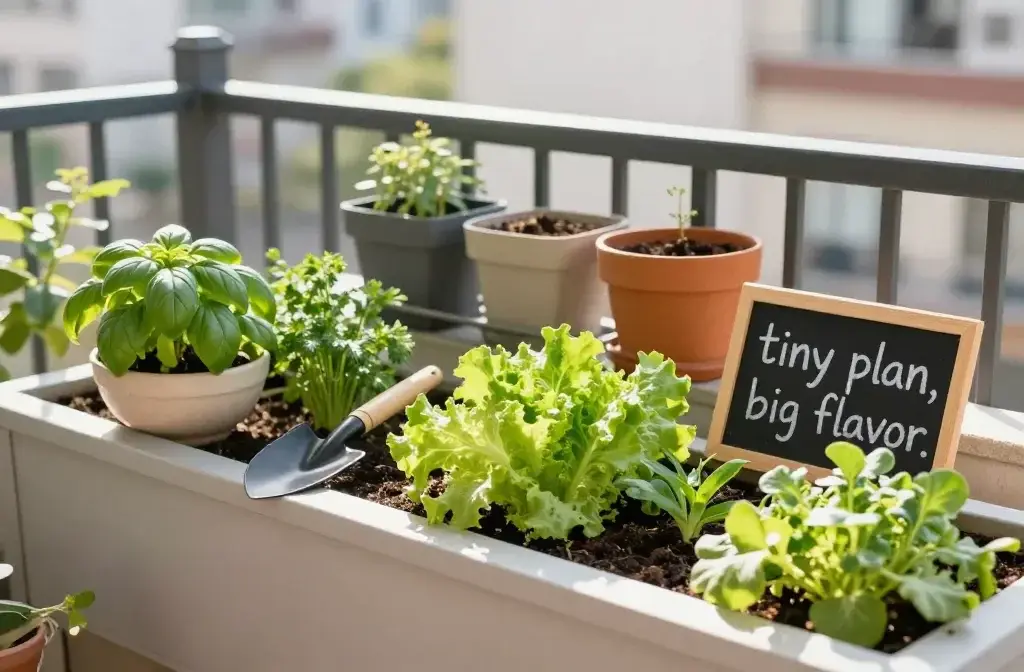
Start small, grow smart. If you’ve got a windowsill, a balcony, or a patch of yard that’s more dirt than dream, you’re in the right vibe. You don’t need a full-on farm to enjoy fresh herbs, bright greens, and a sense of purpose. Let’s break it down so you can start today without getting overwhelmed.
Start with a tiny plan you can actually stick to
Every great garden begins with a simple plan. Do you want fresh herbs for pasta nights, or tomatoes you can snack on between work calls? Decide your top 3 goals and keep the rest optional. A tiny plan beats a grand fantasy every time.
– Pick a small canvas: a patio pot, a sunny balcony, or a raised bed a foot wide.
– List 5 easy starter plants: herbs like basil, parsley, mint; greens like lettuce or spinach; a tomato or pepper if you’ve got sun.
– Decide on watering routine: set a timer, use self-watering pots, or a drip line if you’re techy.
Ask yourself: What do I actually want to eat from this garden this month? If the answer is “salad,” you’re already ahead.
Choose the right space for your beginner-friendly setup
You don’t need prime real estate to succeed. You just need light and access. Most beginners do best with sun that hits for about 6 hours a day.
– Balcony or windowsill: go compact with small pots or a DIY vertical planter.
– Garden bed: raised beds are forgiving and offer better drainage.
– Sheltered spot: if you only have partial sun, herbs are your friend—mint, chives, thyme tolerate shady corners.
Pro tip: group plants with similar water needs. It reduces guesswork and saves you from turning your home into a swamp.
Start with 5 foolproof beginners’ crops
Some crops forgive rookie mistakes and still taste amazing. Here are the reliable crowd-pleasers.
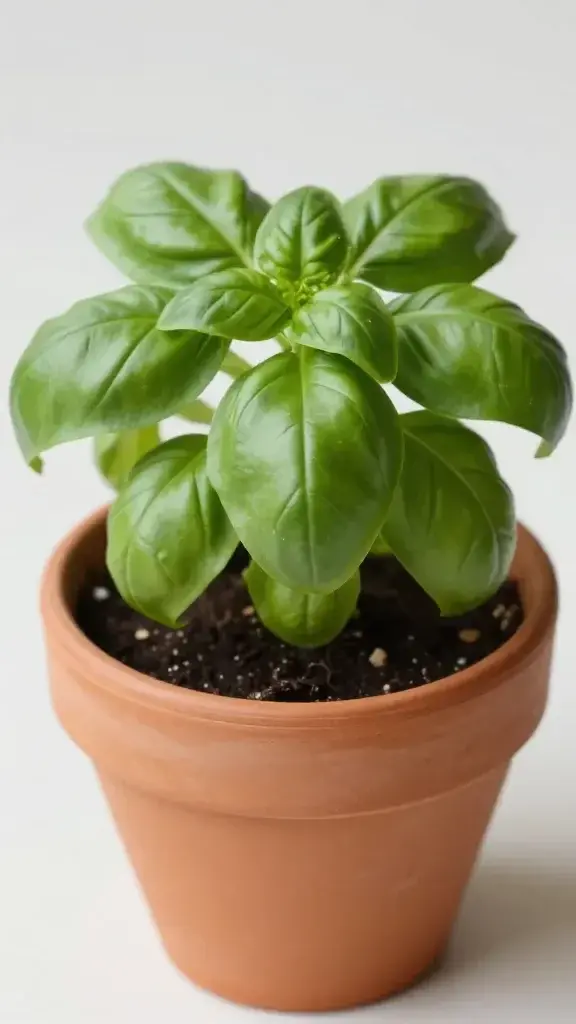
– Basil: fast-growing, delicious, and forgiving. Pinch the tips to encourage bushier growth.
– Lettuce and greens: quick harvest, frequent cut-and-come-again leaves.
– Parsley and cilantro: adds zing without drama. Snip-and-use as needed.
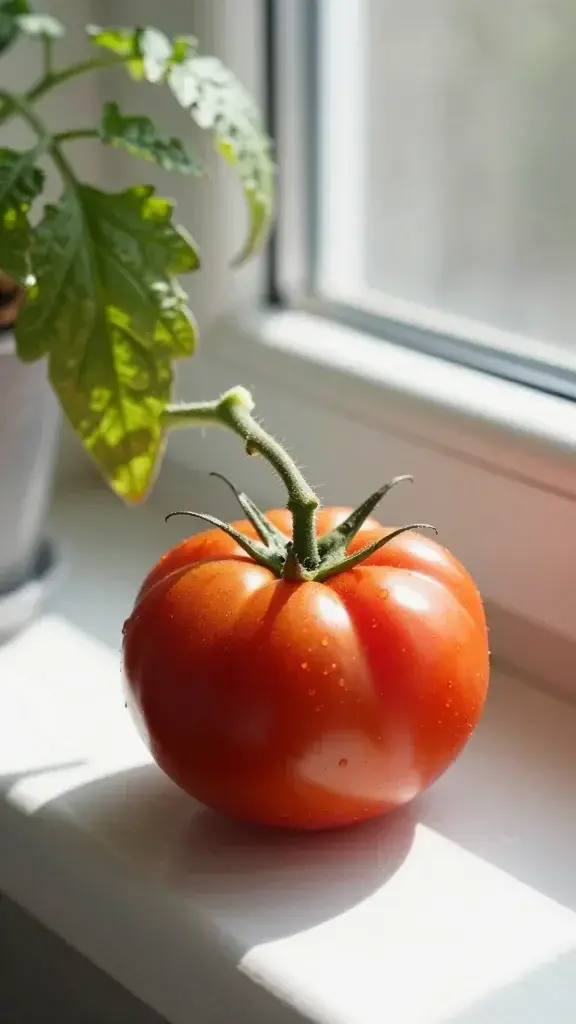
– Cherry tomatoes: small, sweet, and not too fussy in a sunny spot.
– Radishes: quick turnover, plus they’re suddenly cute in a salad.
Want a more concrete plan? Start with two herbs, two greens, and one fruiting plant. You’ll be surprised how quickly you get a harvest loop going.
Soil, containers, and the magic of simple amendments
You don’t need a PhD in soil science to win. Start with good basics and you’ll be golden.
– Containers: choose pots with drainage holes. Depth matters—greens aren’t root beasts, but tomatoes need a bit more space.
– Potting mix: skip the garden soil in pots. Use a light, well-draining mix designed for containers.
– Feeding: a light, balanced liquid fertilizer every couple of weeks works wonders. FYI, overfeeding can burn roots, so start slow.
– Soil health: every few weeks, give the top layer a gentle stir with your finger to check moisture.
Common mistake to dodge: soggy pots. If water pools on the surface, you’re overwatering or your pot is too dense. Let it dry a bit, then water deeply.
Watering smartly: the secret to not turning your garden into a swamp
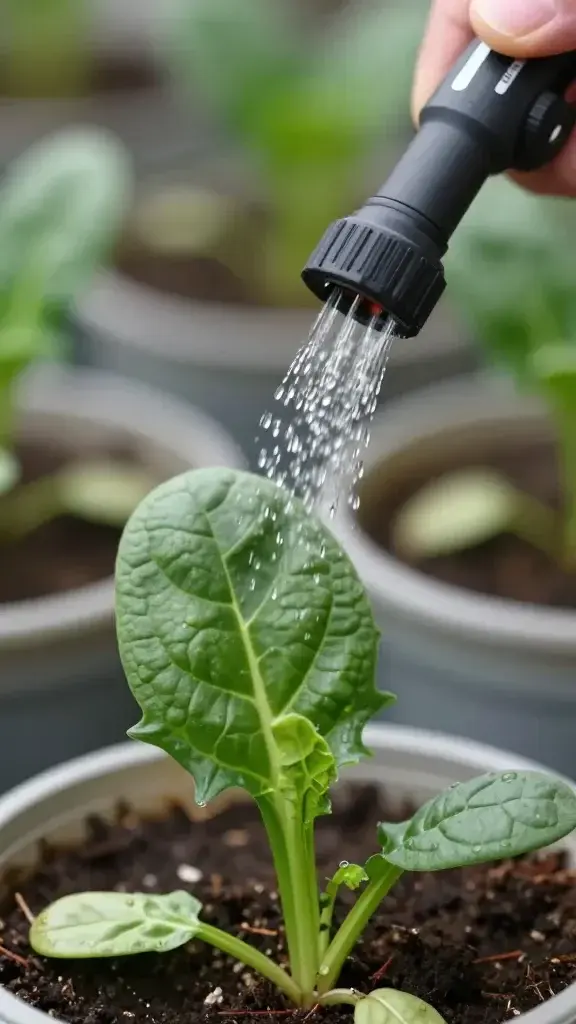
Watering is where many beginners get stuck. You want steady moisture, not a swamp or a desert.
– Morning routine: water early to reduce evaporation and pesky pests.
– Check before you water: stick your finger in the soil—if it’s damp to the second knuckle, skip.
– Mulch lightly: a thin layer around herbs and greens helps retain moisture and cuts down on weeds.
– Self-watering options: bins, boxes, or pots with reservoirs keep you from forgetting to water on busy days.
If you’re forgetful, invest in a simple moisture meter. It’s like a mood ring for your plants.
Lighting and microclimates: maximize what you’ve got
Light is life. Without enough sun, even the best setup will sulk.
– South-facing spots are gold on northern latitudes; east or west works too.
– If light is scarce, lean into leafy greens and herbs that tolerate shade: spinach, arugula, cilantro in small bursts.
– Indoor lighting: consider a small grow light for winter or dim corners. It’s not cheating—it’s resilience.
Want a quick check? If you can read a book by the window with natural light, you’re probably good for many herbs and greens.
Maintenance that doesn’t eat your weekend
Gardening should feel like a hobby, not a full-time job. Keep it light and predictable.
– Pruning: pinch back leggy growth on herbs to keep plants compact and productive.
– Harvesting: pick leaves regularly on herbs; it encourages more growth.
– Pest watch: wipe off aphids with a gentle spray of water, or introduce a few beneficial insects if you’re indoors long-term.
– Cleanliness: clear dead leaves to prevent mold and keep air circulation good.
Say goodbye to the “let it ride” mindset. A quick weekly check pays off in a thriving mini-garden.
Make it yours: fun additions and little upgrades
As you settle in, you’ll want to personalize your space. Here are small, doable upgrades.
– Vertical organizers: hanging planters or pocket walls maximize tiny spaces.
– DIY trellises: a simple wire setup helps tomatoes climb without stealing floor space.
– Cute labels: keep track of what’s what with simple chalk tags.
– A dedicated watering can: you’ll actually use it if it’s fun to hold and easy to grip.
But remember, your goal is enjoyment, not showroom perfection. IMO, imperfect plants still feed you and your soul.
Food, fun, and flexible thinking: what to plant by season
Your calendar matters, but it’s not a jail sentence. Start with quick, seasonally friendly picks and rotate as you learn what you love.
– Spring: lettuce, spinach, radishes, herbs.
– Summer: basil, cherry tomatoes, cucumbers if you have space, peppers.
– Fall: kale, chard, parsley, cilantro.
– Winter (indoors): microgreens, herbs, leafy greens under a light.
If you’re in a chilly climate, treat winter as a learning season—practice harvesting, seed-saving, and experimenting with indoor lighting. FYI, the first harvest is a confidence boost you didn’t know you needed.
FAQ
How much space do I actually need to start a small garden?
You can start with a single sunny window and a couple of small pots. A 2- to 3-foot square area or a few compact containers on a balcony will let you grow herbs and greens. The key is choosing plants that fit your space and sun exposure.
Are there beginner-friendly plants that will tolerate me messing up a bit?
Absolutely. Basil, lettuce, spinach, mint, parsley, and chives are famously forgiving. Tomatoes can be a bit fussy, but cherry tomatoes in a sunny spot are surprisingly resilient.
What’s the quickest harvest I can expect?
Lettuce and radishes can be ready in as little as 25–40 days from sowing. Basil and parsley usually need a couple of weeks to establish, and cherry tomatoes start giving berries in around 60–70 days if you’ve got good sun.
Do I need fancy equipment to start?
Not at all. Start with a few pots, a bag of potting mix, and a watering can. A small grow light or a moisture meter is nice, but not mandatory. The basics get you far.
How often should I water?
Check the soil moisture with your finger: if the top inch is dry, water. In hot weather, you might water daily; in cooler months, every few days. The goal is steady moisture, not soggy roots.
What if pests show up?
Treat simple, gentle. A spray of water dislodges many pests; soapy water can help if you notice a steady trail. If you’re indoors, keep the space clean and avoid overwatering, which invites mold.
Conclusion
Starting small is the smartest move you can make. Pick a couple of easy crops, grab a few containers, and set a tiny routine you can keep. Before you know it, you’ll be snipping fresh herbs for meals, enjoyed the little thrill of a garden that actually thrives, and possibly even bragging rights over your veggies. So what are you waiting for? Your mini garden adventure starts now.
Leave a Reply