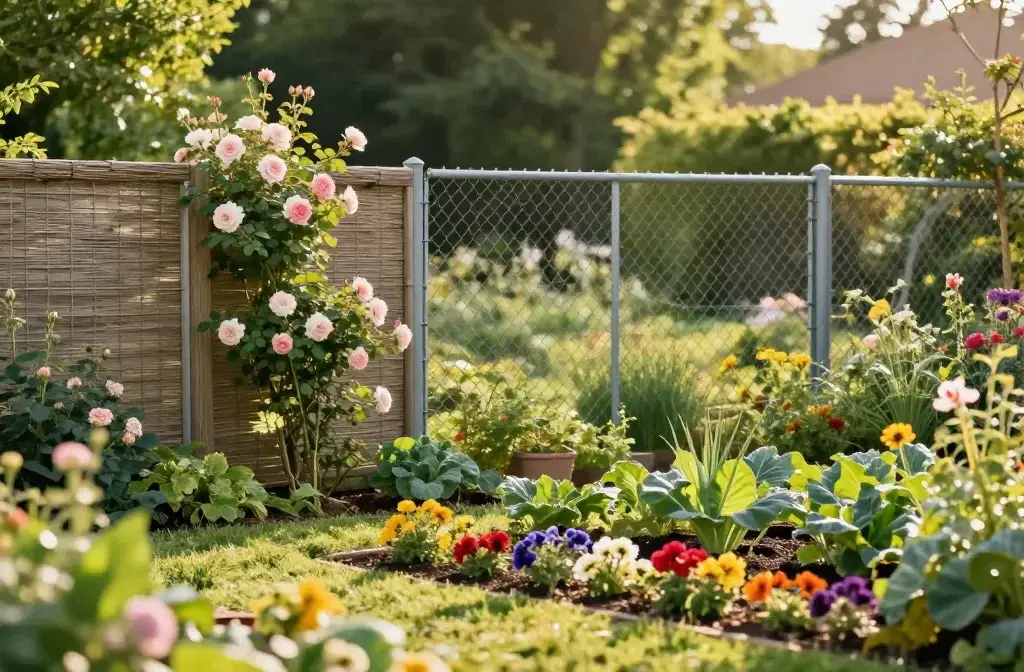
The question is simple: you want a garden that’s protected without looking like a prison yard. Wire fences can do that if you skin them with personality. Let’s dive into ideas that shield your greens and still look good enough to show off to the neighbors.
Why wire fences can be your garden’s best friend
You want security, yes, but you also want sunshine, breeze, and curb appeal. Wire fences strike a happy balance: sturdy enough to deter curious critters and nosy squirrels, light enough to feel open, and inexpensive enough to leave room in your budget for whimsy. FYI, you don’t have to choose between function and style—wire can do both.
Pick the right wire type for your vibe
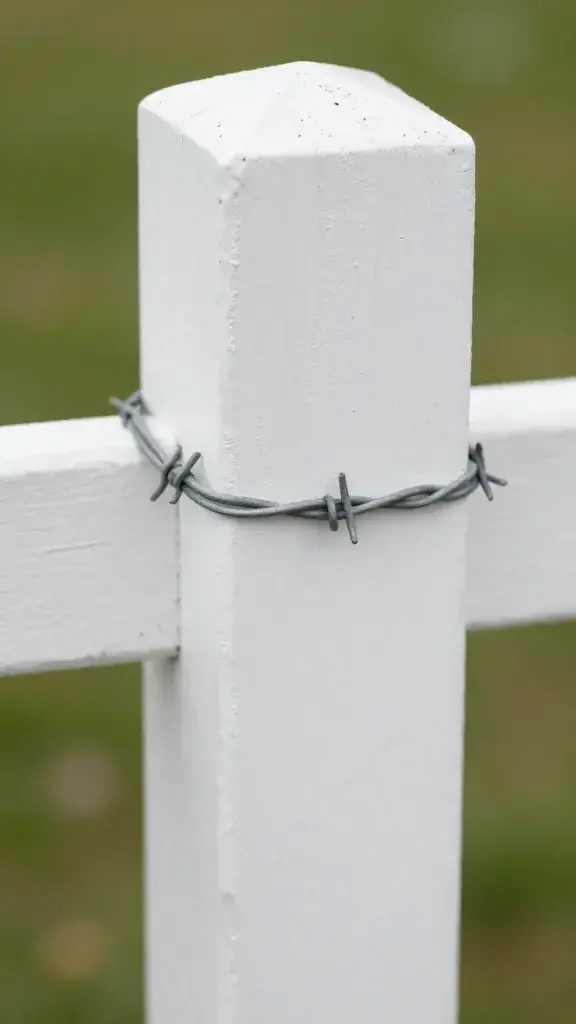
Different fences bring different moods. Here’s a quick tour so you don’t end up with something you’ll regret.
Chain-link with a charm
Chain-link gets a bad rap, but it’s incredibly versatile. You can bolster it with garden trellises, climbing plants, or colorful windbreakers. It’s tough, easy to install, and you can paint or coat it to soften the look. If you want a modern-industrial vibe, this is your go-to.
Woven or welded wire for a clean silhouette
Woven wire panels give you a less aggressive perimeter. They’re great for neat lines around vegetable patches or flower beds. Welded wire adds strength without heavy weight. Consider powder coating in green or brown to blend with the garden rather than shout at it.
Hardware cloth for the tiny invaders
If you’re protecting seedlings or delicate beds from small critters, hardware cloth is your friend. It’s basically a grid that you can stake into the ground. Just make sure the grid isn’t so fine that it traps airflow or becomes a tar pit for leaves.
Ways to make wire fences stylish without losing function
Security doesn’t have to scream “prison.” Here are ideas that keep critters out and style in.
Plant a living border
Let greenery fill the gaps between posts. Fast-growing climbers like clematis, jasmine, or climbing roses can weave through the mesh and soften the look. It also creates a layered defense: fence first, then plants, then you, smiling with pride.
Add decorative panels or inserts
Slip decorative metal or wooden panels between sections for personality. Sunflower-yellow panels, copper accents, or even reclaimed wood inserts can break up the grid and add texture.
Paint or powder-coat for personality
A bold color can totally transform a utilitarian fence. Think matte black for drama, olive green for a nature vibe, or sunny yellow for whimsy. FYI, lighter colors show dirt faster, so factor in maintenance.
Trellis-topped or arched features
Extend the fence upward with a trellis or arched top. It makes the boundary feel less like a barrier and more like a garden frame. You can train vines up the trellis for extra charm and privacy.
Practical tweaks to boost durability and ease
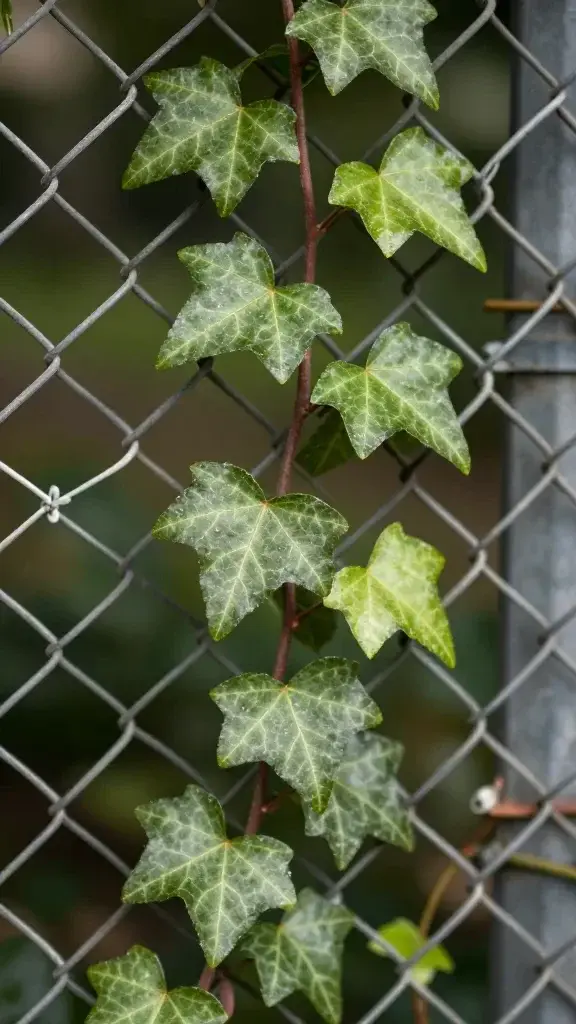
You don’t want to chase rust every season. Here are sensible steps to keep your wire fence singing.
Sturdy posts are non-negotiable
Set posts in concrete, especially if you live where wind likes to party. Skipping this makes the fence wobbly and sad. Dig deep, set the posts, and give them time to cure. Your future self will thank you.
Use rust-resistant coatings
Choose galvanized or powder-coated wire. It’s not just about appearances—rust undermines strength. A little coating goes a long way in extending life, so you won’t be diy-renovating every other spring.
Keep growing space breathable
Leave a gap between the fence and your plantings if possible. Dense vines kissing the mesh can trap humidity and lead to rot or pests. Airflow is your ally here, folks.
Creative ways to integrate a wire fence with typical garden zones
Different sections of your yard deserve different vibes. Wire fences can flex with each zone.
Orchard and herb beds
A low, clean wire fence with a narrow planting strip inside lets you keep deer and rabbits at bay while still letting air move through. Add a few herb-friendly scents near the gate to deter unwanted visitors with aroma rather than alarm.
Vegetable beds
High-visibility, high-durability wire panels protect leafy greens from nibblers and provide support for climbing veggies. Use a mix of netting for softer edges and keep a walking path clear so you don’t end up playing plant-whack-a-mole every harvest.
Flower borders
Fences don’t have to be all business. Layer with perennials that grow through the mesh—honeysuckle, jasmine, or morning glories—so the fence becomes a vertical garden with fragrance to spare. It feels less like a barrier and more like a backdrop.
Smart security tricks that actually work

Because security isn’t just about keeping things out; it’s about peace of mind.
Motion-activated lighting
A little light goes a long way. It deters nighttime wanderers and shows off your garden’s best features after dark. Keep the lighting angled to avoid harsh glare, or you’ll be permanently squinting at night photos.
Visible-but-subtle deterrents
Cat deterrents, reflective tape, or even wind chimes can add a layer of not-so-subtle memory jogs for critters. Hardware cloth hidden beneath decorative panels can be almost invisible but still doing its job.
Access points with logic
Install a sturdy gate with the same fencing style and add a simple lock. Don’t make entry a grown-up scavenger hunt. An easy-access point keeps you from leaving the gate wide open in moments of excitement (harvest fever is real).
Maintenance rhythm that keeps things effortless
You don’t want fencing that consumes your weekend. Here are simple routines.
Annual checks
Scan for loose ties, bent wires, or rust spots. Tighten, replace, and repaint as needed. A quick spring check saves you a mushy, complicated repair later.
Seasonal cleanups
Clear debris from the base, prune plants that creep onto the mesh, and re-stain or repaint high-traffic panels every few years. A clean fence keeps your garden looking crisp and intentional.
FAQ
Is wire fencing safe for kids and pets?
In general, yes. It provides a boundary without being a solid wall, so kids and pets can see through it. Make sure there are no sharp edges and that posts are firmly anchored. If you have curious pups, consider a taller option or adding a gate with a lock to control access.
How do I choose the right height for my fence?
Ask yourself what you’re keeping out and what you’re keeping in. For deer, 6–8 feet is often enough, but most residential gardens can be protected with 4–6 feet plus a trellis top. For dogs or rabbits, 4–5 feet plus a tighter mesh can do the trick.
Can I still get privacy with wire fences?
Absolutely. Add a living border, lattice inserts, or climbing plants. A row of evergreen shrubs behind the fence works wonders too. FYI, you’ll want to balance privacy with airflow and light for healthy plants.
What maintenance schedule is realistic for a busy gardener?
Aim for a 15–30 minute monthly check: tighten fasteners, trim overgrowth, and sweep debris. Do a deeper inspection every spring and a refresh coat every 5–7 years, depending on climate and use.
Are there eco-friendly coating options?
Yes. Look for powder-coated or galvanized steel with low-VOC finishes. You can also use recycled materials for decorative inserts, as long as they’re weather-resistant and safe for outdoor use.
Conclusion
Wire fences don’t have to look like you fenced in your cactus collection. With a dash of style, smart positioning, and a pinch of plant magic, they become the supportive frame your garden deserves. They defend, they look good doing it, and they’re surprisingly adaptable to whatever vibe you’re chasing. So grab some posts, pick a coating that speaks to you, and let your garden breathe—while staying protected. IMO, the right wire fence is a small investment with a big payoff in curb appeal and garden joy. You in?
Leave a Reply