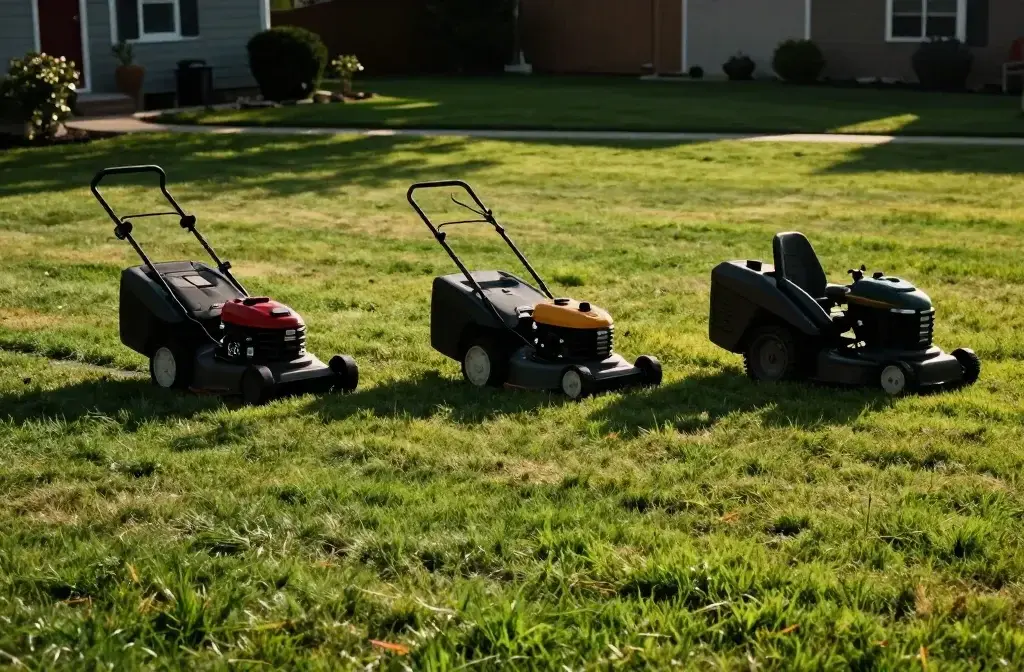
The yard is a small forest, the neighbors’ dogs are plotting a coup, and your mower keeps coughing at the worst possible moment. If you’re staring at a wall of mower specs and wondering which one actually fits your real-life lawn, you’re in the right spot. Let’s cut through the noise and pick a mower that doesn’t fight you every weekend.
Know your yard size and grass type before you even look at engines
Ask yourself: how big is my lawn, and what’s its personality? Tiny patches of grass between a balcony and a hedge? Or a real mowing battle plan spanning half an acre? Your answer should drive everything else.
– For tiny to medium lawns (up to 1/4 acre): a reliable electric mower or a compact gas model can be perfect. They’re lightweight, easy to maneuver, and typically cheaper upfront.
– For medium to large lawns (1/4 to 1/2 acre): consider a self-propelled gas mower. It saves your knees on hills and long stretches.
– For big yards (over 1/2 acre): you’ll benefit from a mowing deck that can handle longer sessions, and possibly a riding mower or a robotic option to save your weekends.
Grasses also matter. Fine fescue or bluegrass? Sturdier turf types tolerate a rougher cut and thicker clippings, so you won’t need to chase every single blade with precision. FYI: if your yard has a lot of uneven terrain or thick weeds, a mower with adjustable cut height and solid wheels becomes a must.
Power source: electric, gas, or ride-on? Let’s weigh the vibe
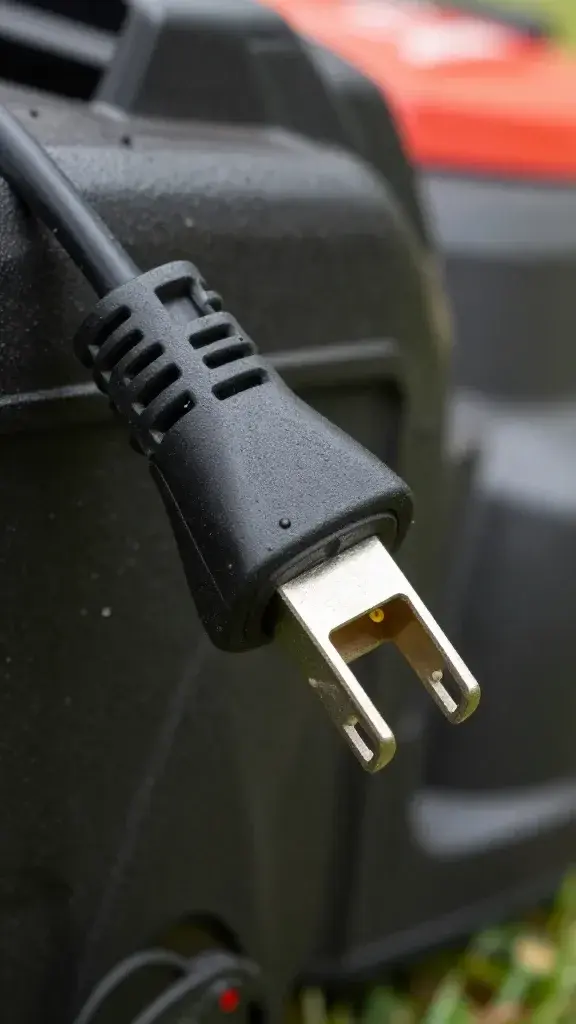
Power choice isn’t just about horsepower; it’s about how you want to live during mowing season.
Electric mowers: quiet, clean, and easy
– Pros: lightweight, low maintenance, no fumes, start with a push of a button.
– Cons: cord management or battery life limitations, less torque for tall, thick grass.
– Best for: small to medium flat lawns, modest budgets, and people who hate maintenance almost as much as mowing.
Gas mowers: brute force with a few more quirks
– Pros: ripping power, longer run times, good for hills and thick growth.
– Cons: heavier, louder, more maintenance (oil changes, spark plugs), fumes that won’t win you any eco-cred.
– Best for: larger yards, tougher turf, or if you’re replacing a ride-on with something nimble for sidewalks and flower beds.
Ride-ons and robotic mowers: hands-off ambitions
– Ride-ons: comfort throne for big yards. You’ll pay for the luxury in fuel, parts, and the time it takes to store them.
– Robotic mowers: tiny, tireless green machines that cut your grass while you pretend to work. They require a bit of setup and a properly fenced area but feel like magic.
– Best for: people who want less grunt work and have space to dedicate to charging docks or safe boundaries.
Deck width and cut height: how much of the lawn can one pass cover?
Deck width determines how fast you finish. More inches per pass means fewer trips and less workout, especially on big lawns. Cut height matters for the look and health of your turf.
– Deck width: 20-40 inches covers most homes nicely. If you’re working on tight spaces, a narrower deck helps with maneuverability.
– Cut height range: 1.5 to 4 inches is typical. Taller grass? Start higher, then do a second pass to avoid stressing the blades. Short cuts look neat, but don’t scalp your lawn.
Tip: look for a mower with easy-to-use height adjustments and clearly marked levels. It saves you precious minutes and a few gripes.
Terrain and wheels: traction wins the day
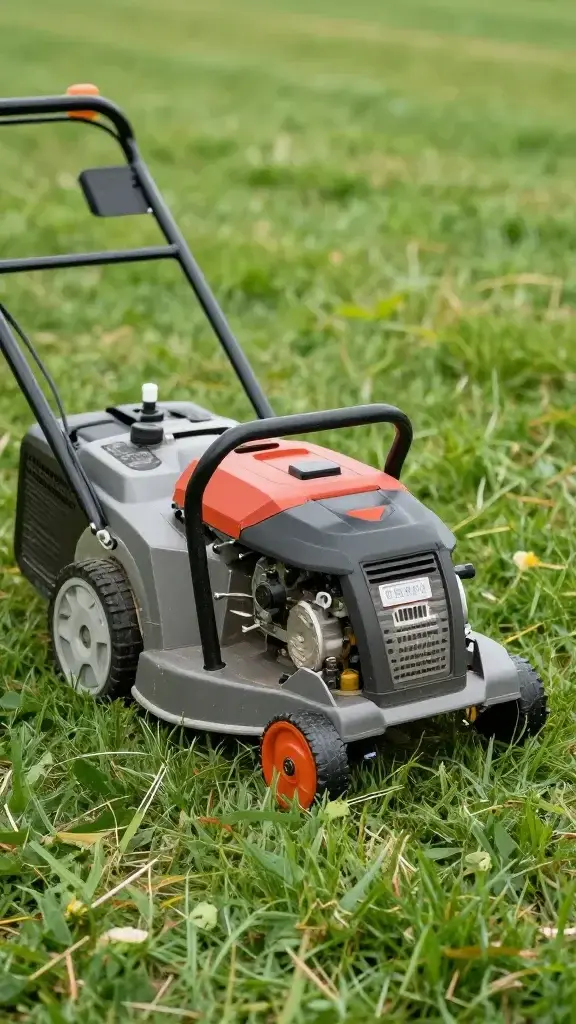
Flat driveways are not the same as a bumpy backyard hillside. If your yard is mostly flat, you can get away with standard wheels. If you’ve got slopes, barriers, or patchy soil, you’ll want features that keep you from sliding into the daisies.
– Self-propelled models: pick one with front wheels pulling you along or a rear-wheel-drive for trickier terrain.
– Large rear wheels: help you roll over bumps and soft spots.
– Deck protection: some mowers lift the deck slightly on rough ground to reduce scalping and wear.
Safety note: always remove stones, sticks, and toys before you mow. Your mower doesn’t share your sense of humor about flying projectiles.
Maintenance mindset: what you’ll actually do after the sale
Mowers aren’t “set it and forget it.” The real long-term cost or ease comes from maintenance routines.
– Oil and air filters (gas mowers): check and replace per manual. Don’t skip this; it’s cheap insurance.
– Battery health (electric and robotic): keep an eye on charge cycles and storage conditions. Batteries hate extreme heat.
– Blade care: super sharp blades equal a cleaner cut and less mower strain. Swap or sharpen as needed.
– Cleaning and storage: dry, dirt-free housing extends life and avoids rust. A quick wipe after each use goes a long way.
If you dread maintenance, prefer electric, low-noise options, or pick a robotic mower that minimizes upkeep overall. FYI, a little proactive care saves you from bigger headaches later.
Features that don’t suck on a practical level
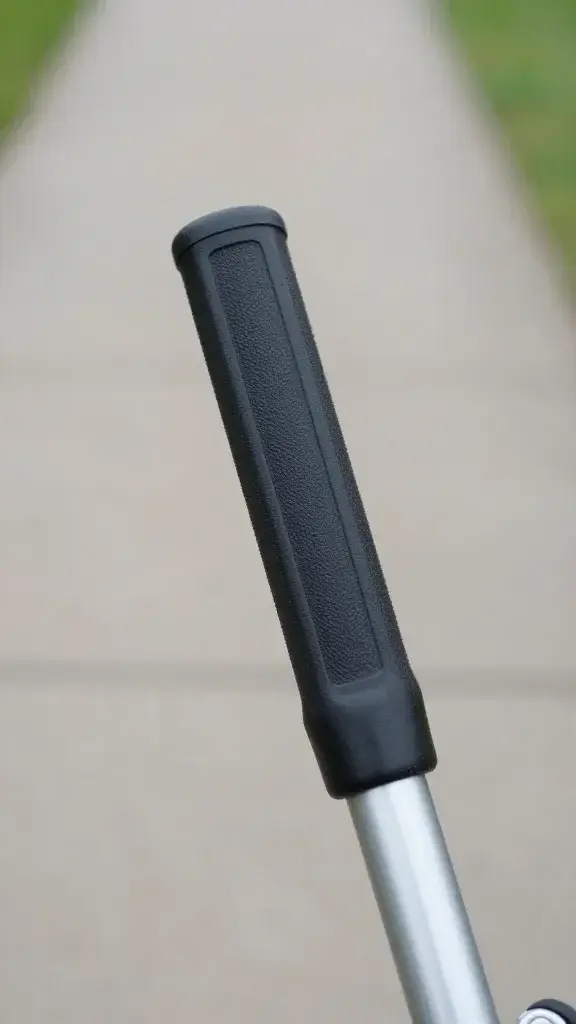
Some extras actually make mowing less of a chore. Here are the ones that matter in real life.
– Mulching capability: chips clippings back into the lawn to feed it. Great for healthy turf, but avoid if your yard piles up leaves that won’t break down well.
– Side discharge vs. bagging: bagging keeps the lawn neat, but you’ll empty bags. Side discharge is quicker for fast sprints but can leave clumps.
– Foldable handles and compact storage: saves floor real estate if you’re short on shed space.
– Self-cleaning or easy-clean decks: yep, some models spray the deck off while you mow—worth a look if you hate scrubbing.
– Smart features: some mowers offer app integration, battery indicators, and service reminders. IMO, they’re nice but not essentials.
How to test a mower before you buy
If you can, take a test drive. You’d be surprised how much feel matters.
– Push it: does it glide or feel heavy on hills? Is the handle comfortable and height-adjustable?
– Listen: does the motor sound strained on thick patches, or does it roar without effort?
– Check the balance: does it tip easily or stay stable on a slope?
– Picture the routine: will you enjoy mowing with this model, or will it become a nightly drama?
If you’re shopping online, look for real-user videos describing how it handles your yard type. FYI, user reviews can be hilariously honest about quirks you won’t notice in a showroom.
Installation, price, and value: what should you pay attention to
Price isn’t everything. You’re buying a tool that should work for years, not a two-season fling.
– Upfront cost vs. long-term cost: a cheap mower may end up expensive if it requires frequent maintenance or replacement parts.
– Warranties: longer warranties on engines and decks are a win. Check what’s excluded and how easy it is to claim.
– Replacement parts availability: ensure you can actually buy blades, belts, and filters without a scavenger hunt.
– Availability of services: local repair shops or mobile service options save you future headaches.
Don’t get seduced by flashy features you won’t use. Pick the model that genuinely fits your yard and lifestyle.
FAQ
What size lawn should I consider for a mower with a 20-inch deck?
A 20-inch deck is great for small to medium lawns with tight spaces or irregular shapes. It’s more maneuverable and easier to store, but it will take longer to cover large areas.
Is a self-propelled mower worth it on flat ground?
On flat ground, a self-propelled model doesn’t save you a ton of effort, but it can still reduce fatigue over long sessions or when mowing at less-than-ideal speeds. If you value ease over budget, it’s a nice upgrade.
Can I switch from bagging to mulching on most mowers?
Many mowers offer both bagging and mulching options. Multipurpose is convenient, but ensure you have a chute or a mulching blade that’s compatible with your model.
How important is battery life for electric mowers?
If you’ve got a small yard, a standard battery can cover it in one run. For larger lawns, look for higher Ah ratings or models that allow quick swaps. Battery life matters more than fancy features.
What maintenance should I do after the season ends?
Clean the deck, sharpen blades, change spark plugs and oil (if gas), drain fuel or add a stable fuel stabilizer, and store in a dry, shaded place. A little winterization goes a long way.
Conclusion
Choosing the right lawnmower isn’t about chasing the strongest engine or the most bells and whistles. It’s about matching power, size, and features to how you actually mow and what your yard is like. Start with yard size, terrain, and how much time you want to spend on maintenance, then weigh power sources and deck width as your next steps.
If you pick the right fit, mowing becomes a quick, non-drama part of your weekend. You won’t dread yard day, you’ll barely notice it. And FYI, your grass will thank you with a cleaner cut and healthier growth. Ready to grab some specifics that fit your yard? Tell me about your lawn size and terrain, and I’ll help you narrow it down.
Leave a Reply