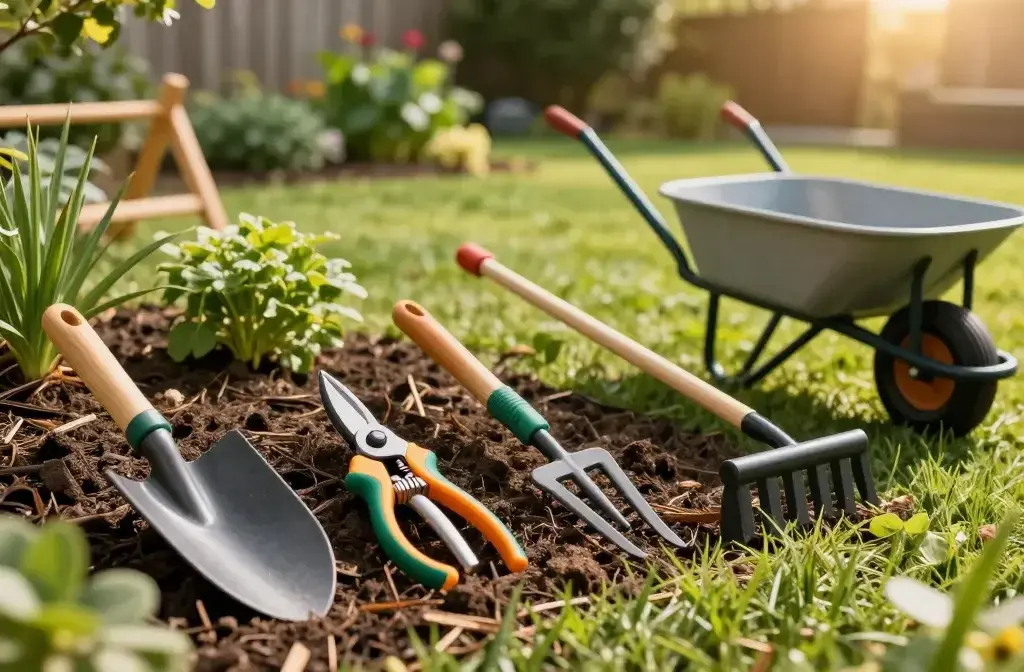
I love a yard that behaves itself. If you’ve ever spent more time wrestling your tools than pulling weeds, you know the pain. Let’s cut to the chase: the right gadgets make digging, planting, and pruning feel like a breeze. Ready to upgrade your toolbox and your mood?
The Core Must-Haves: Tools That Do the Heavy Lifting
Gardening is a workout, but your tools should make you feel like you’ve got a secret superpower. Start with the basics that actually save you time and spare your back.
- Quality hand trowel and cultivator — a sturdy trowel is your best friend for planting and weeding in tight spots. Look for a steel blade, comfortable grip, and a bolster that won’t snap under pressure.
- Pruning shears (secateurs) — pick bypass blades for healthy cuts on live wood. Keep a micro-sd of your plants’ needs in your head, and your shears will forgive you when you snip the wrong branch.
- Garden fork and rake combo — loosen soil without breaking your back and collect debris in a single pass.
- Wheelbarrow or utility cart — yes, you can haul 50 pounds of mulch in one go if you pick the right wheels. Trust me, your back will thank you.
- Kick-spreader or handheld fertilizer spreader — even nutrient distribution beats guesswork and aimless scattering.
Ergonomics First: Tools That Save Your Back
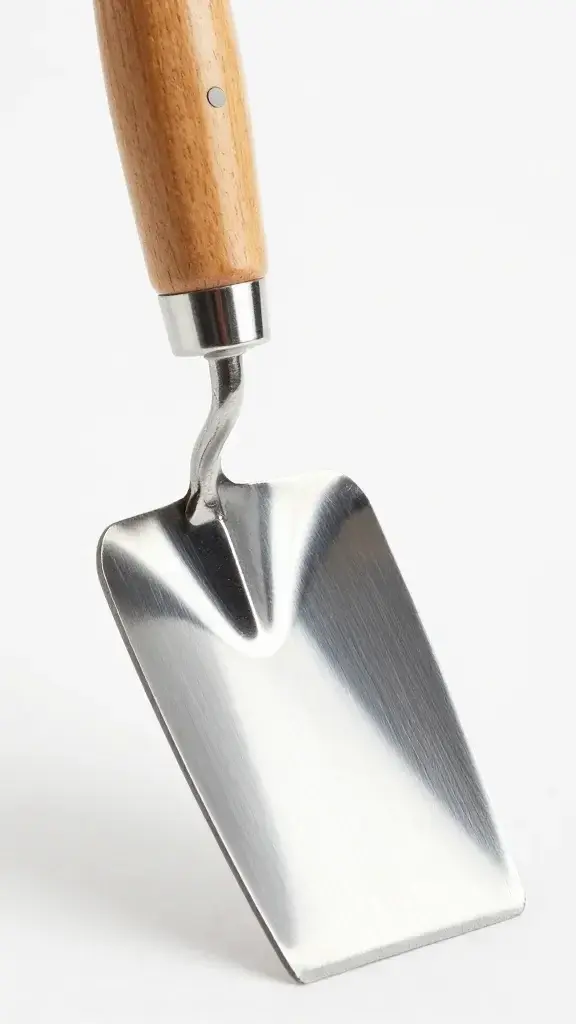
If you’ve ever woken up with a souvenir backache after a weekend garden session, you know the drill. Ergonomics aren’t a luxury; they’re a shield.
Raised beds and long-handled tools
– Raised beds reduce bending. Pair them with long-handled tools to keep your spine happy.
– A long-handled cultivator lets you work from a comfortable stance. No more stooping until your knees file a complaint.
Telescoping and lightweight options
– Find telescoping hoes and lightweight pruners that lock in place once you reach the right height.
– If a tool feels like a workout before you even touch soil, put it back and try something lighter.
Soil, Water, and Mulch: The Trio That Makes Everything Easier
Healthy soil and sensible watering are 80% of the job. The rest is adding the right tools to the mix.
- Soil tester (pH and moisture) helps you avoid guesswork. FYI, most plants don’t like soggy feet.
- Watering wand and soaker hose — deliver water slowly where roots live, not on the grass you’ll cut later.
- Mulch fork to fluff and spread mulch evenly, keeping moisture in and weeds out.
Smart Harvest Helpers: Tools That Turn Harvest into a Happy Habit
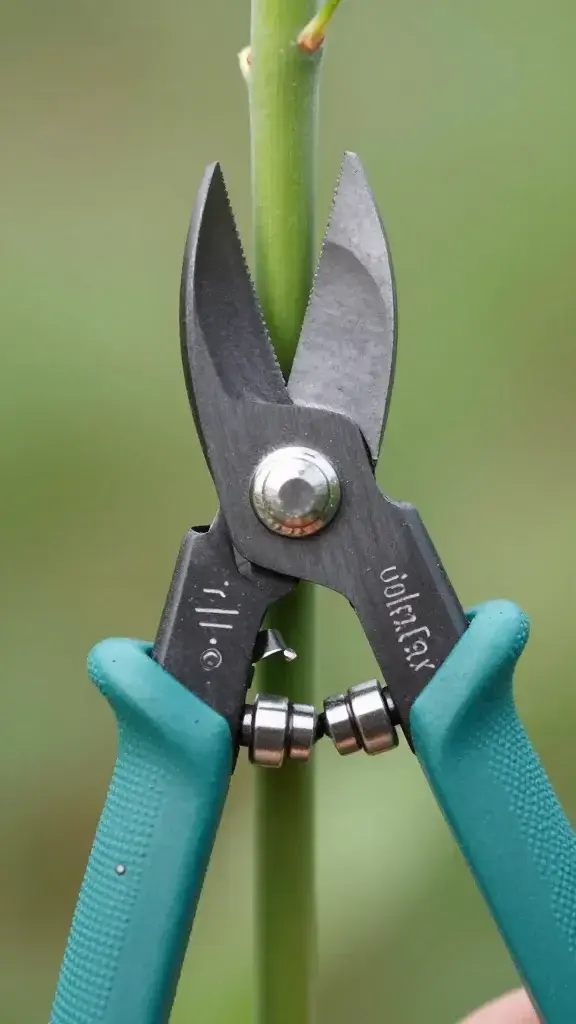
When harvest time hits, you want to glide through it, not battle with tangled vines and stubborn stems.
Pruning station on wheels
– Keep your pruning shears, twine, and a bucket within arm’s reach. A small rolling cart or tote becomes your mobile harvest station.
– It sounds silly, but having a dedicated spot for clippings reduces mess and saves time.
Harvest baskets and bags
– Choose breathable baskets or fabric bags to prevent fruit bruising and reduce moisture buildup.
– Break heavy harvests into lighter loads so you don’t turn into a one-note crabby gardener.
Power Tools: When to Go Battery and When to Go Budget
Power tools aren’t a must, but they can seriously speed things up. Here’s the quick read on choosing wisely.
- Cordless electric trimmer for edging and hedge lines — quick, quiet, and no extension cords snaking through the flower beds.
- Cordless drill with garden bit kit — not just for DIYs; you can screw in trellis posts, set up hanging planters, and build simple raised beds.
- 2-cycle backpack blower or garden vacuum — great for leaves and debris, but don’t go all-in if you don’t have the space for maintenance and storage.
Storage, Maintenance, and Longevity: Keeping Tools Happy
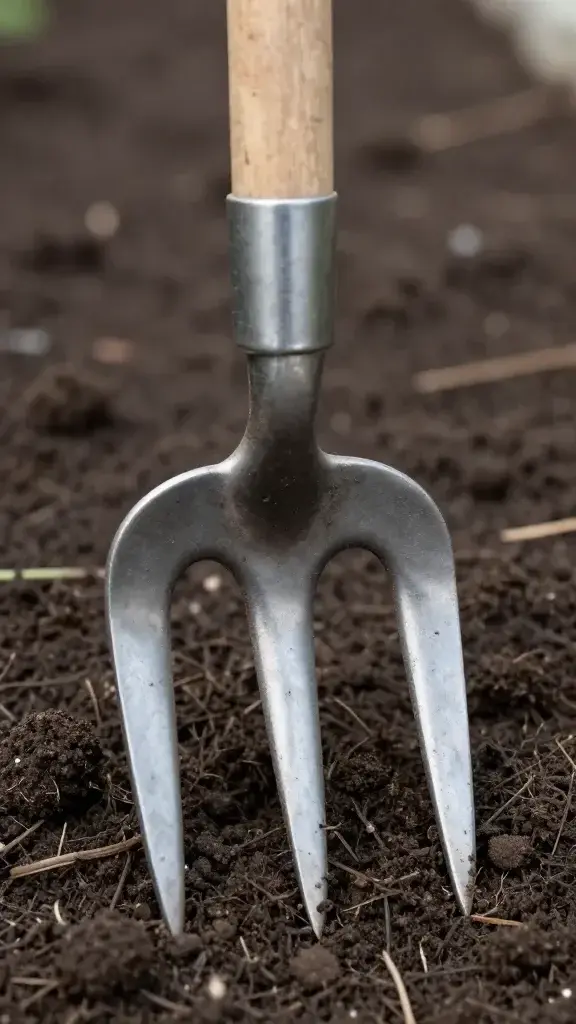
A tool that’s neglected lasts about three seasons and then ghosts your garden. Let’s keep them smiling.
- Lubricant spray for blades and joints. A little goop goes a long way.
- Sharpening stone or file for blades. Dull tools fight you harder than a stubborn weed.
- Waterproof sheath or tool rack keeps handles dry and rust at bay.
- Storage shed or pegboard keeps tools organized and accessible.
Tips, Tricks, and Practical Tricks I’ve Learned the Hard Way
There’s always a hack or two that saves you from a sweaty failure.
- Always clean tools after use. Mud is not a loyalty program for rust.
- Keep a small spare battery and light charger in your shed. You don’t want tool downtime during a sun-drenched weekend.
- Match tools to your height. If you’re a tall person, a too-short trowel will feel like a sneaky trap.
- Label handles with a quick color dot for what they’re best at. Red for pruning, blue for soil, green for mulch. It’s silly, but it saves you jokes and wasted time.
Deep Dive: Ergonomics That Actually Work
If you skip ergonomics, you’ll pay later with either a sore back or a stubborn ache that won’t quit. Focus on stance, tool length, and grip comfort. Look for:
– Cushioned, contoured grips that fit your hand shape.
– Assisted or shock-absorbing handles for harder tasks.
– Adjustable-height tools for partners with different statures.
FAQ
Do I need to buy the most expensive tools to get good results?
Nope. Start with reliable mid-range options that come with comfortable grips, solid blades, and good warranties. You’ll upgrade as you figure out what you actually use most and what breaks first.
How many tools are absolutely necessary for a beginner gardener?
Actually, you can start with a handful: a trowel, pruning shears, a weeding tool or hand rake, a small cultivator, a hand-held sprinkler, and a sturdy pair of gloves. Add one or two bigger items if you’re tackling bigger beds and trees.
Is a wheelbarrow always better than a garden cart?
Not always. Wheelbarrows are tougher on rough terrain, but a sturdy garden cart with big wheels can be easier to maneuver and empty. Choose based on your yard’s layout and typical loads.
What’s the deal with battery-powered tools vs. corded?
Batteries are liberating but can run out mid-project. If you’re remote or have lots of edges to trim, extra batteries are worth it. For smaller yards, a corded tool can weigh less and provide endless runtime without charging breaks.
How do I maintain tools without turning gardening time into maintenance time?
Clean blades after use, dry everything thoroughly, oil moving parts monthly, and store in a dry place. A quick wipe-down right after use saves hours on rust repairs later. FYI, maintenance can be zen if you make it part of your routine.
Conclusion
If you’ve read this far, you’re likely ready to upgrade your garden game. The right tools don’t just do the job—they change how you feel about yard work. With ergonomic picks, smart soil and water helpers, and a few organizational tricks, you’ll breeze through tasks, lose fewer battles with weeds, and actually enjoy the time you spend outside. So go ahead, treat yourself to a tool upgrade and reclaim your weekends. Your back, plants, and peace of mind will thank you.
Leave a Reply