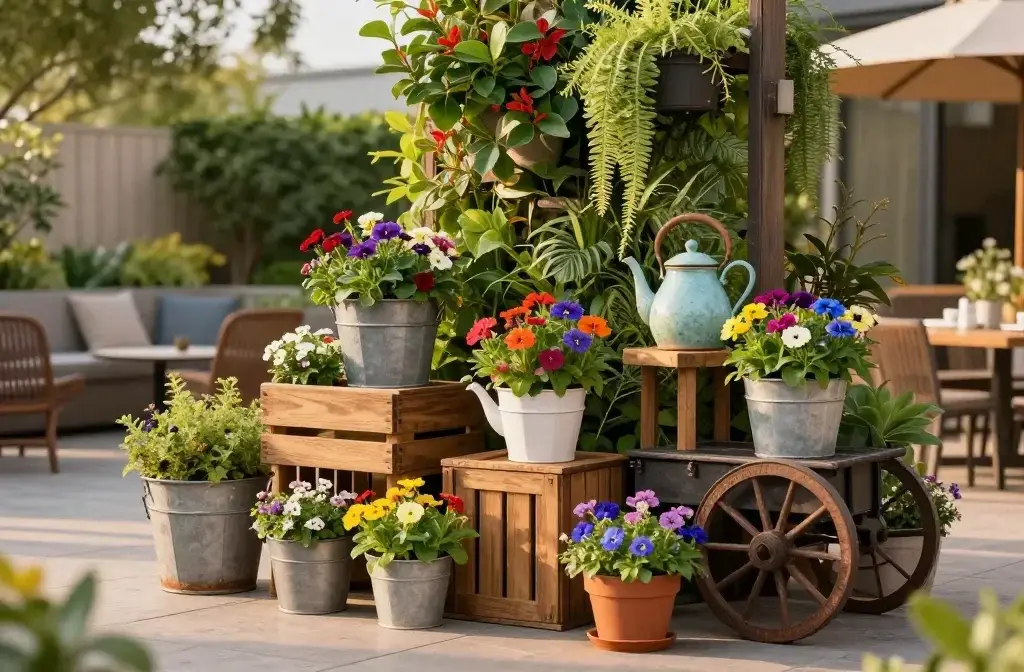
I love the idea of turning small spaces into big personality. Think bricks, tubs, and a little whimsy can transform a patio into a full-on green good-vibes zone. Ready to ditch boring pots and level up your planter game? Let’s dive in.
Playful Containers: Think Outside the Pot
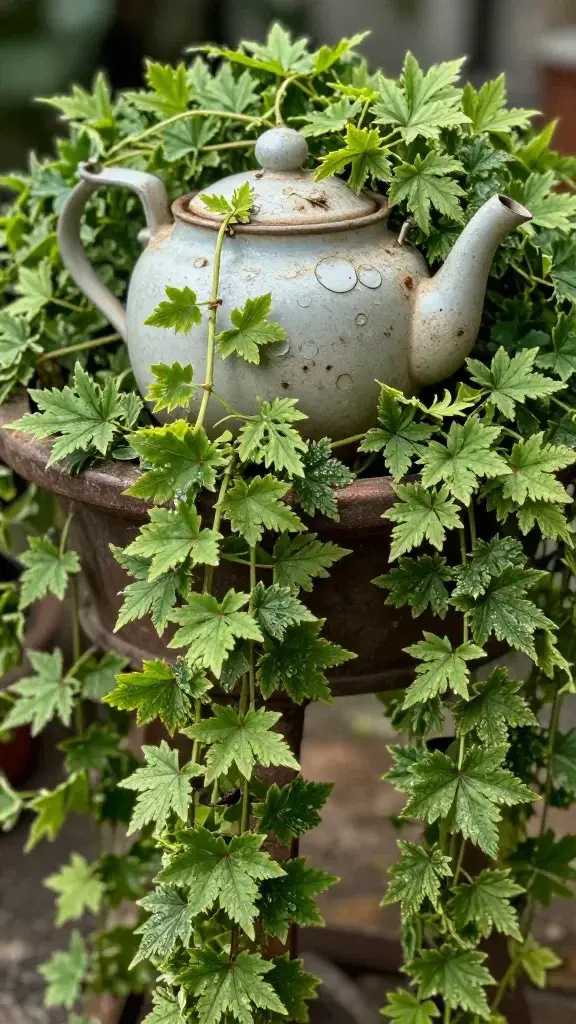
Why settle for standard terracotta when you can make a statement with containers that double as décor? Your choice of planters sets the tone for the whole space, so start with a story you actually want to live in.
– Re-purposed finds: vintage buckets, old teapots, wooden crates, even a rescued wagon wheel. They all scream personality with minimal effort.
– Surfaces matter: height diversity adds drama. Stagger pots of different heights on stands, stacked crates, or hanging setups to create a layered garden.
– Color pop or neutral chic: bold hues wake up a dull corner; creamy neutrals keep things calm, especially on small patios.
Optional deep dive
How to pick the right planter materials
– Lightweight plastic for easy rearranging, waterproofing needed.
– Ceramic and concrete feel luxe but can tip in windy spots—add a tray or stabilizers.
– Metal looks sleek but check for rust, especially in rainy climates.
Living Walls Without the Drama
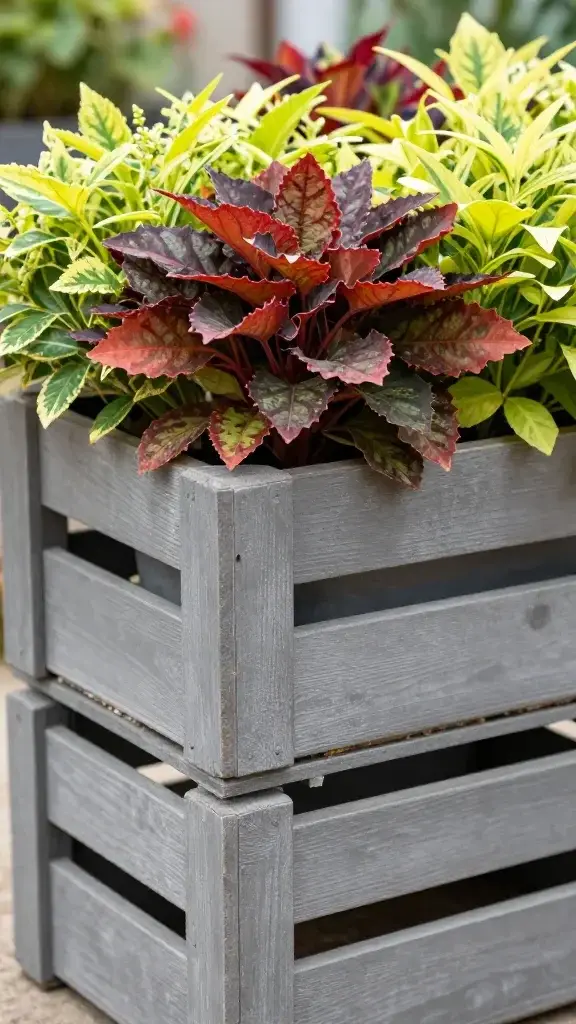
If you crave lush greenery but lack floor space, vertical gardens are your bestie. They look intentional, and they’re surprisingly doable for beginners with a little planning.
– Pocket planters on a wall are space-savers with big payoff.
– Wall-mounted trellises with trailing vines or herbs create a living backdrop.
– Floating shelves stacked with herbs at eye level make cooking feel like a mini-atelier.
A quick tip: pick plants with similar sunlight needs to avoid daily drama over who gets what light. FYI, mint will invade if you’re not careful, so give it its own little corner.
Best beginner-friendly combinations for vertical setups
– Basil, thyme, and oregano with a trailing pothos for greenery overflow.
– Ferns paired with small bromeliads if you’re shady and compact.
– Sedums and sempervivums for a low-water, low-maintenance look.
Waterwise Wonders: Self-Shedding Beauty Without the Backache
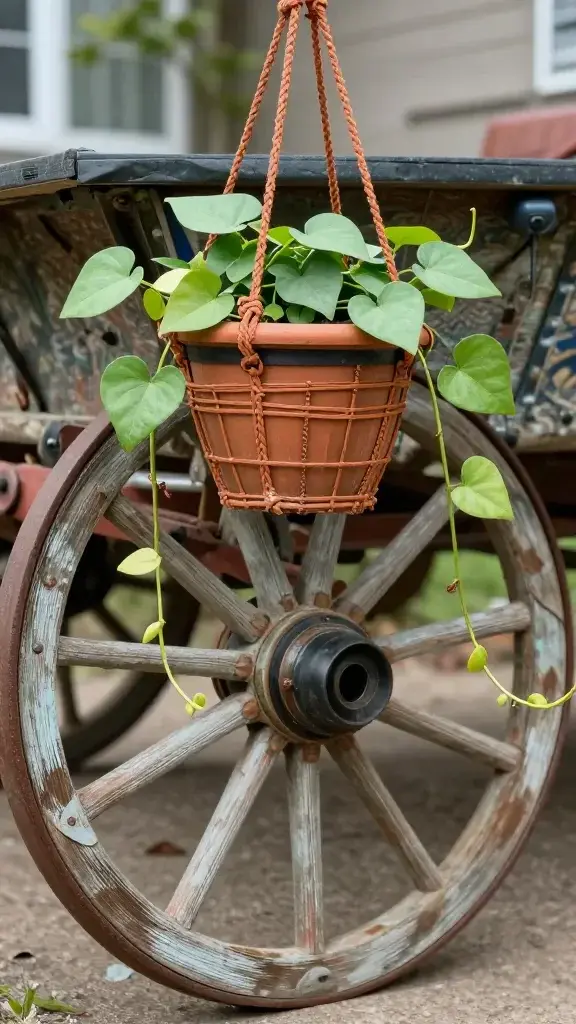
Drought-tolerant plantings aren’t just for eco-warriors; they’re for busy humans who want to come home to a relaxing spot rather than a plant hospital.
– Choose a mix of textures: chunky succulents, wispy grasses, and compact flowering perennials.
– Add a rain chain or shallow saucer system to keep humidity up without constant watering.
– Use a drip irrigation kit or simple self-watering planters to keep things thriving in heat waves.
If you live somewhere hot, group plants with similar water needs together. It saves you time and saves your wallet by avoiding overwatering.
Top low-water plant combos
– Sedum, agave, and lavender for a modern, fuss-free look.
– Echeveria with low-growing thyme edging for a cute, cohesive vibe.
– Ornamental grasses with blue fescue and santolina for texture and color all season.
Glam Edges: Edging, Trims, and That Finishing Touch
Borders and edges aren’t just practical; they’re design statements. A sharp edge signals, “I care, but I’m still cool about it.”
– Use metal edging to cleanly separate lawn from bed, or a gravel path to guide the eye.
– Add a row of small lanterns or solar stake lights to extend garden hours.
– Incorporate decorative mulch, then layer with pops of color via annuals for seasonal surprises.
A little humor pays off here: edging that looks “undone” might be trendy, but precision has its own charm.
Lighting ideas that won’t break the bank
– Solar path lights in a semi-circle for a cozy glow.
– Fairy lights woven through a trellis for a magical weekend vibe.
– Spotlight a favorite plant or sculpture to create a focal point.
Edibles That Don’t Scream “Kitchen Garden”
Who says edible gardens can’t be stylish? You can grow herbs and small veggies that look as good as they taste.
– Compact fruiting plants like dwarf tomatoes or strawberry pots.
– Edible flowers—nasturtiums, calendula, and borage—spruce up salads and drinks.
– Companion planting not only looks good but supports healthier growth.
If you’re short on sun, herbs like mint, chives, and parsley can thrive in partial shade.
Design tricks to hide the practical corners
– Pair a handsome herb wheel with a small compost bin disguised by a decorative screen.
– Use a tiered planter for a compact herb garden that doubles as a focal piece.
– Place edibles near seating areas so you can snip a herb without trudging to the back yard.
Seasonal Swaps: Keep It Fresh All Year Round
Your garden should evolve with the calendar. A few strategic swaps keep things exciting without a full redo.
– Spring: fresh herbs and flowering annuals in bright color mixes.
– Summer: heat-tolerant plants and containers with good drainage.
– Fall: add ornamental kale, ornamental peppers, and mums for color and texture.
– Winter: evergreen silhouettes, holly, and metallic accents to keep the space alive.
Ask yourself: what space do I actually spend time in, and how can I make it feel different with minimal effort? The answer often lies in what you can see from your patio chair.
FAQ
What’s the easiest way to start a creative planter setup?
Start with three statement containers at varying heights, fill them with a mix of evergreen filler, seasonal color, and a highlight plant. Keep color story cohesive and group plants with similar care needs.
How do I prevent planters from drying out on hot days?
Mulch generously, group plants with similar water needs, and consider self-watering planters or a simple drip system. A quick water test once a week helps you adjust your routine.
Can I mix edible plants with ornamentals?
Absolutely. Just mind the sun and water needs. Use edibles in front rows for easy harvesting and place ornamentals in back for drama. IMO, it looks intentional and tasty.
What are low-maintenance options for a busy person?
Choose drought-tolerant perennials, succulents, and grasses. Use self-watering containers and a drip irrigation solution. FYI, you’ll still want to check moisture every 1–2 weeks, but the workload drops.
How can I make a tiny balcony feel bigger with planters?
Go vertical with wall planters and hanging baskets. Use a light color palette, mirrors or glass accents to bounce light, and keep furniture minimal so the space reads airy.
Conclusion
Wrap-Up: Your Space, Your Signature
Gardening isn’t about perfection; it’s about personality showing up in pots, palettes, and little green triumphs. Start with a playful container, then layer in vertical greens, waterwise tricks, and a few edible goodies if you’re feeling ambitious. Before you know it, your patio becomes a favorite room in the house—minus the rent. So go ahead, mix textures, play with height, and let your space tell a story you genuinely want to live in. IMO, the best part is that you can switch things up with the seasons and still look like a design pro without breaking a sweat. FYI, confidence in your planters is contagious—neighbors will want in on your morning coffee garden tour.
Leave a Reply