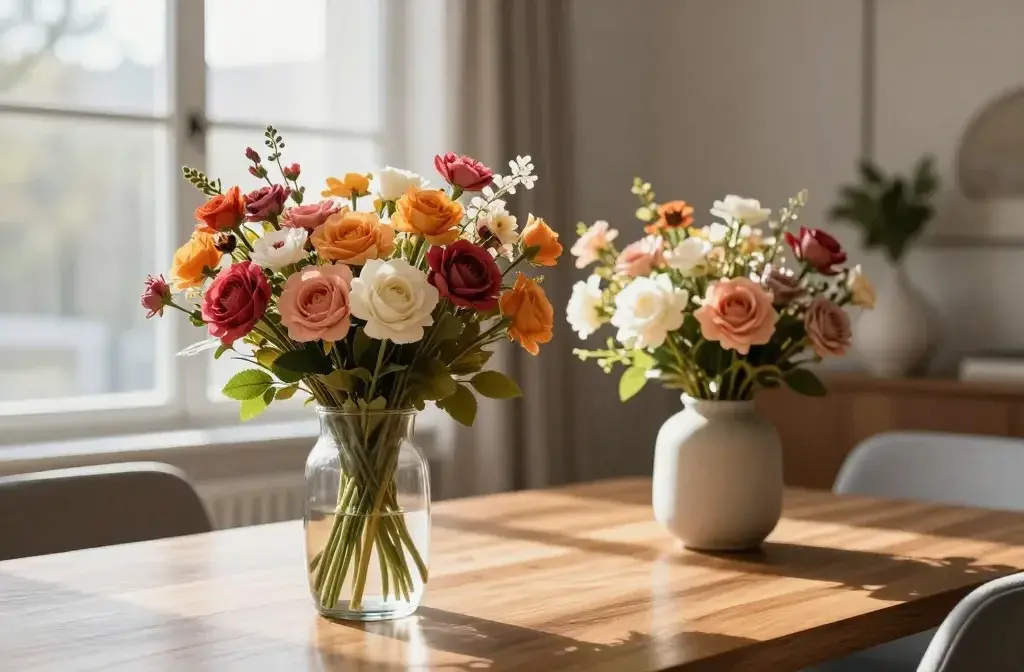
If you’re picking between real flowers and fake ones for your space, you’re not alone. The truth is every room has its own vibe, and the right choice can actually tilt the whole mood. Let’s cut through the fluff and get real about what actually looks best in home decor.
Real Flowers: the instant mood lifter you can’t fake
Real flowers bring life, scent, and a touch of nature that no plastic can match. They bloom, they sway with the breeze, and they age with quiet drama. But they’re not a set-it-and-forget-it kind of decor. Here’s the honest take:
– Fresh petals, fresh energy: A bouquet on a dining table or a windowsill injects color and a focal point that feels dynamic. IMO, nothing beats the instant “someone cared enough to bring these in” impact.
– Scent matters (sometimes a lot): Some flowers smell divine; others are barely noticeable. FYI, some folks are sensitive to strong aromas, so consider that before you go all-in.
– Maintenance is real: Water daily, trim stems, change vases, and watch for wilting. Real flowers demand attention, but that attention pays off in authenticity.
Artificial Flowers: when looks win over maintenance
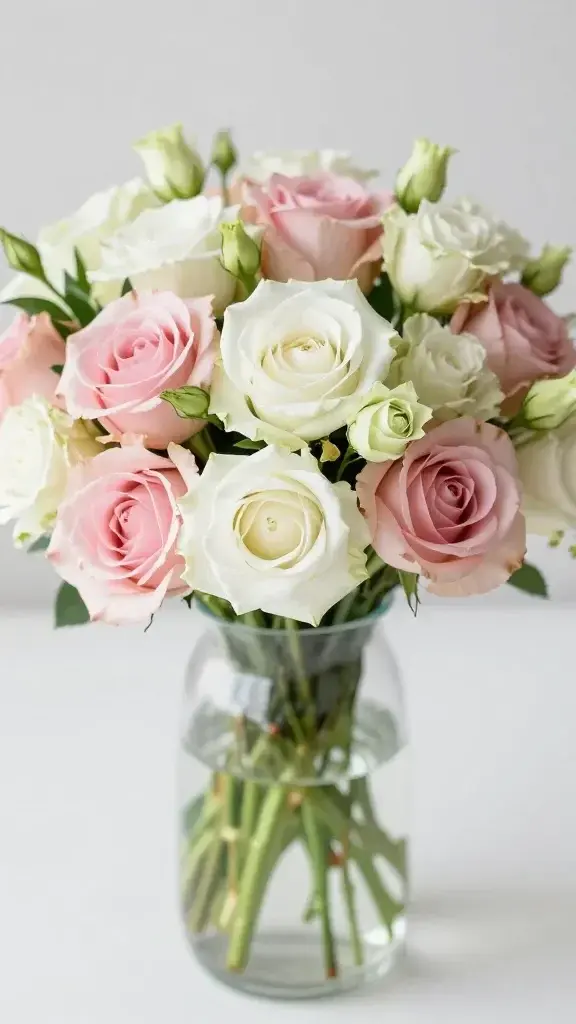
Artificial arrangements have evolved from the plastic jungle of the 90s to surprisingly convincing pieces today. They’re not perfect, but they sure are convenient.
– Realistic, with less upkeep: Modern faux florals can fool most people at a glance. They stay fresh-looking year-round, which is perfect for low-sun rooms or busy households.
– Consistency is king: You control the color, size, and placement without worrying about seasonal blooms or spoilage.
– Budget-friendly in the long run: You pay up front, but replacements aren’t a yearly festival of wilt and worry.
Where they shine: room-by-room guidance
Every space has its own rhythm. Here’s where real or fake flowers tend to excel.
Entryways and foyers
– A bold vase with fresh stems can set a welcoming tone. But if you travel a lot or have pets, a faux arrangement reduces drama from knocked-over vases and wilted petals.
– Tip: choose a vase with a sturdy base and a color that complements the wall art or console table.
Dining tables
– Fresh for the date night feels? Go real for weekend dinners or when you want a scent that says “I care.”
– If you host regularly or have kids and pets, faux can keep the table looking chic without constant maintenance.
Bathrooms
– Real flowers in a well-lit bathroom can be surprisingly magical. Just be mindful of humidity and longevity—trim stems, replace every week or two.
– Faux greens or small stems often fare better in steamy spaces and still look elegant.
Bedrooms
– Real flowers add a romantic, calming vibe, especially near a window or nightstand. If sleep is easily disrupted by fragrances, faux is a kinder option.
– Consider seasonal arrangements to keep the room feeling fresh without constant fuss.
What makes a bouquet look high-end (or not)
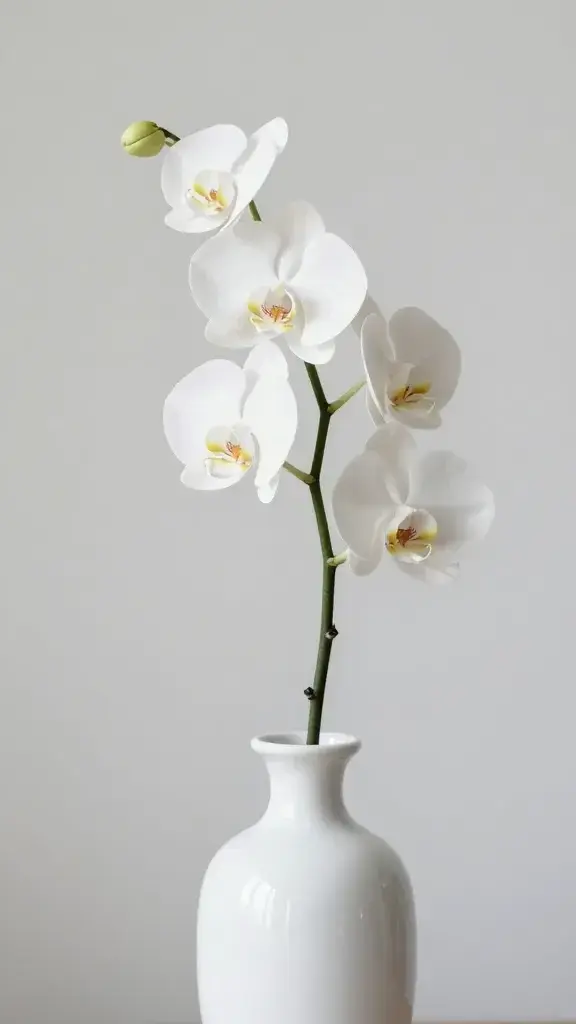
Some details can elevate any arrangement from “nice” to “wow.” Here are quick checkpoints.
– Proportion: Aim for a bouquet that feels balanced in your vase and room. Too tall or too busy can overwhelm a space.
– Color harmony: Echo the room’s palette. A cohesive color story reads as intentional decor, not random chaos.
– Texture mix: Combine blooms with greenery or filler that adds depth. Real flowers often benefit from different leaf textures; faux works too if you vary materials.
– Vase choice: The vessel matters almost as much as the blooms. A sculptural vase can turn a modest arrangement into a design moment.
Durability, cost, and timeline: the real vs artificial math
Let’s break down the practical side, because aesthetics only go so far if you’re constantly fighting about upkeep.
– Real flowers:
– Pros: Natural fragrance, dynamic movement, seasonal variety.
– Cons: Short life span (days to a couple of weeks), ongoing cost, maintenance.
– Quick tip: Buy stems that last longer (roses, lilies), trim at an angle, and use fresh water with a sharp clean vase.
– Faux flowers:
– Pros: Lasts years, no watering, stable color year-round.
– Cons: They can look fake if not high-quality, dust attracts attention, colors may fade if poorly stored.
– Quick tip: Dust weekly with a microfiber cloth; store in a cool, dry place out of direct sunlight to prevent fading.
Quality cues: spotting the good vs not-so-good
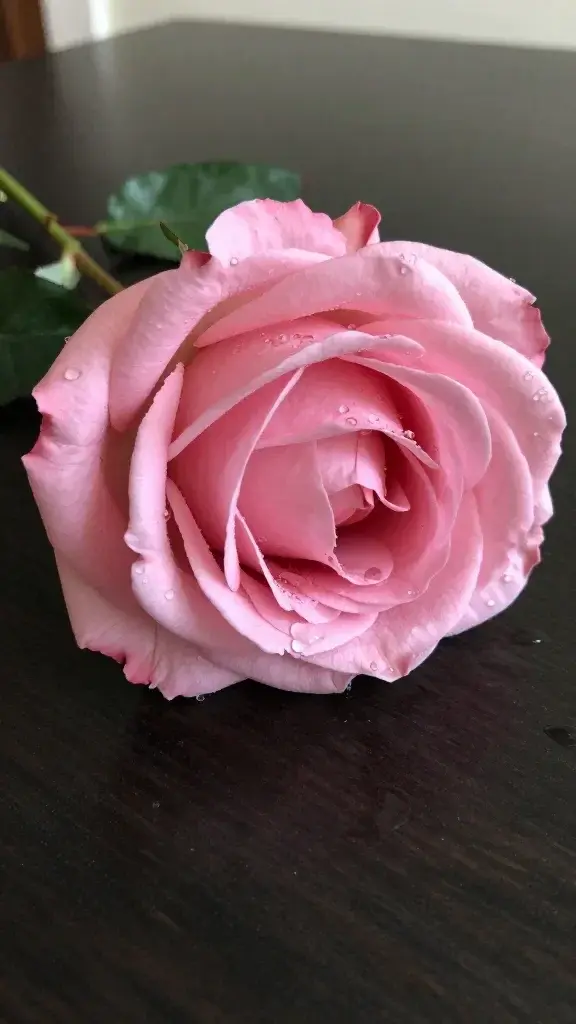
If you’re shopping fake florals, here’s how to tell the well-made from the wannabe.
– Petal texture: Realistic artificial petals have subtle veins and variation. If every petal is identical, you’re facing a synthetic sameness.
– Color depth: Look for depth in color—crisp highlights and soft shadows make petals look alive, not painted.
– Stem and leaf weight: Cheap fakes feel hollow; better ones have weighted stems and sturdy leaves that hold their shape.
– Fragrance: Some faux arrangements are infused with scent to simulate real flowers. If it smells oddly sweet or chemical, it’s a red flag unless intentionally done for effect.
H3: Mixing it up: a hybrid approach
Yes, you can combine both worlds for a balanced look.
– Use fresh stems in high-traffic or display-only spots, like a dining table centerpiece you only use on weekends.
– Fill out windowsills and guest room corners with faux greens to maintain a lush vibe without daily upkeep.
– Add a few faux stems mixed with real ones in a larger arrangement for a long-lasting focal point.
FAQ
Are real flowers worth the extra upkeep?
Real flowers are worth it if you crave that live, breathing moment in your space and don’t mind a little tinkering. They bring scent and movement that fake arrangements simply can’t replicate. If upkeep stresses you out, faux is a rock-solid alternative.
Do faux flowers look cheap?
Not anymore. High-quality faux florals can be stunningly convincing. Look for natural textures, varied tones, and sturdy materials. If a display is well-styled and the vase is chic, no one will bat an eye.
How long do real bouquets typically last?
Most cut stems stay fresh for about 5-14 days, depending on species and care. Change the water every couple of days, trim the stems, and keep them away from direct heat or drafts. Longer-lasting options include peonies and chrysanthemums.
What about allergy concerns?
Allergies are real. Fresh flowers can trigger sniffles or migraines for some people. If that’s you or a guest, faux arrangements are the friendly route that won’t ruin dinner.
Can I mix real and artificial in the same vase?
Absolutely. Scale and color harmony matter. Place a few real blooms among faux stems to create a lived-in look with minimal maintenance. Just ensure a cohesive color story to avoid visual confusion.
Conclusion
Choosing between real flowers and artificial ones isn’t a moral test; it’s a practical design decision. Real flowers bring fragrance, vitality, and a touch of spontaneity. Faux options offer reliability, longevity, and easy upkeep. The sweet spot? Use real blooms where you want a moment of wow and scent, and lean on faux greenery or blossoms where you crave consistency and less drama. IMO, the best decor often blends both—a living bouquet for a dining table and a vase of high-quality faux stems on a sun-soaked shelf.
If you’re unsure, start with one statement piece. A single vase of fresh roses on the coffee table can reset a room, while a well-placed faux arrangement on a nightstand can keep the scene polished no matter what life throws at you. FYI, decor should feel fun first and flawless second.
Leave a Reply