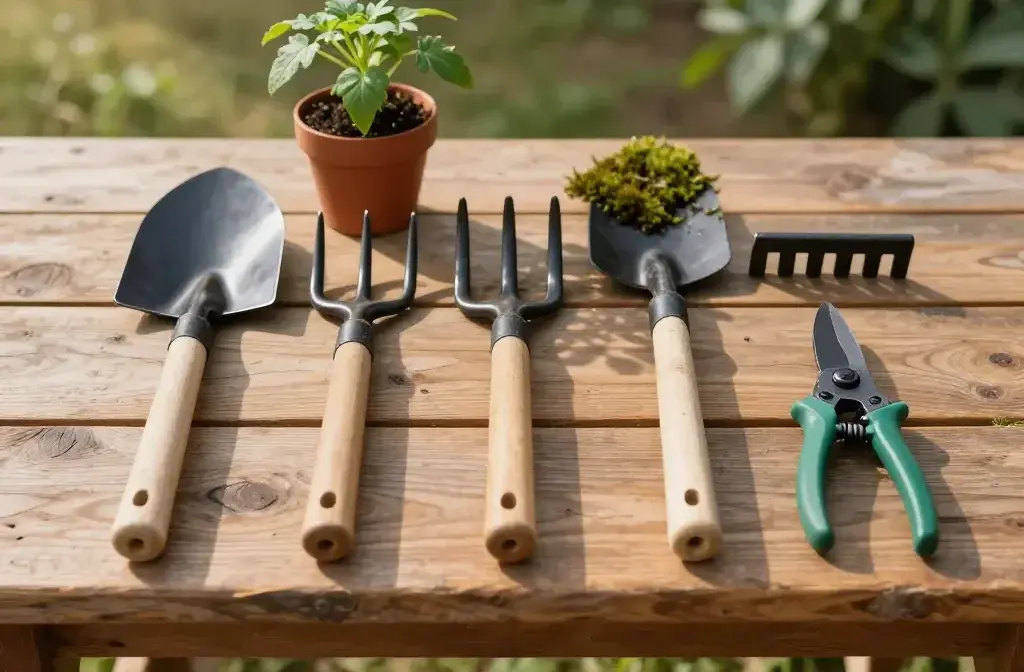
We’re not here to guess what you’d grab in a panic when your tomato plants start staging a mutiny. You want reliable, versatile tools that actually make gardening enjoyable. Let’s cut the fluff and zero in on the essentials every home gardener should have on hand.
The must-haves that actually get the job done
You don’t need a garage full of gadgets to grow a thriving garden. You need tools that fit your hands, your plants, and your budget. Start with the basics, then add as needed. FYI, quality matters more than quantity here.
Shovels, hoes, and the right kind of touch
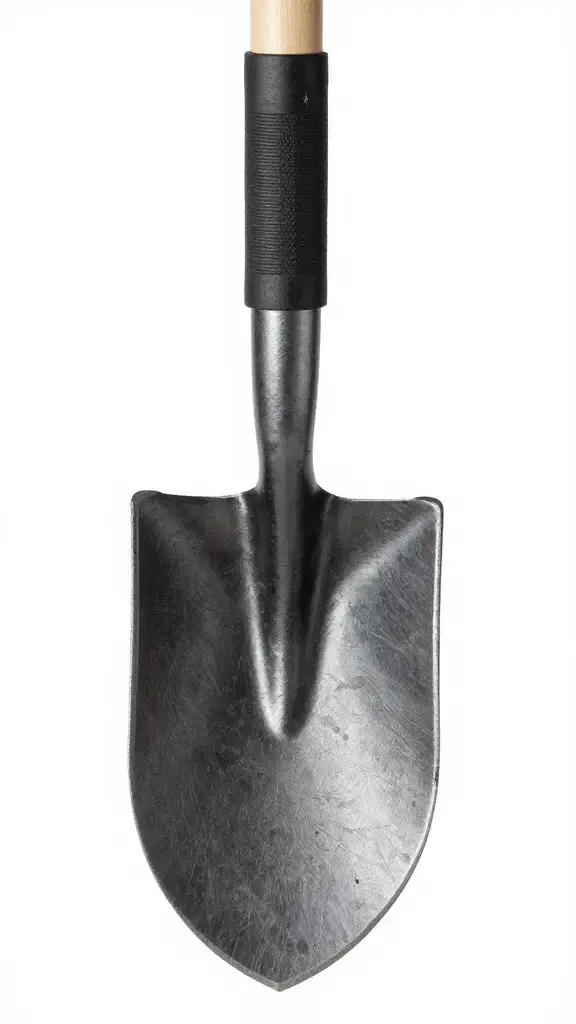
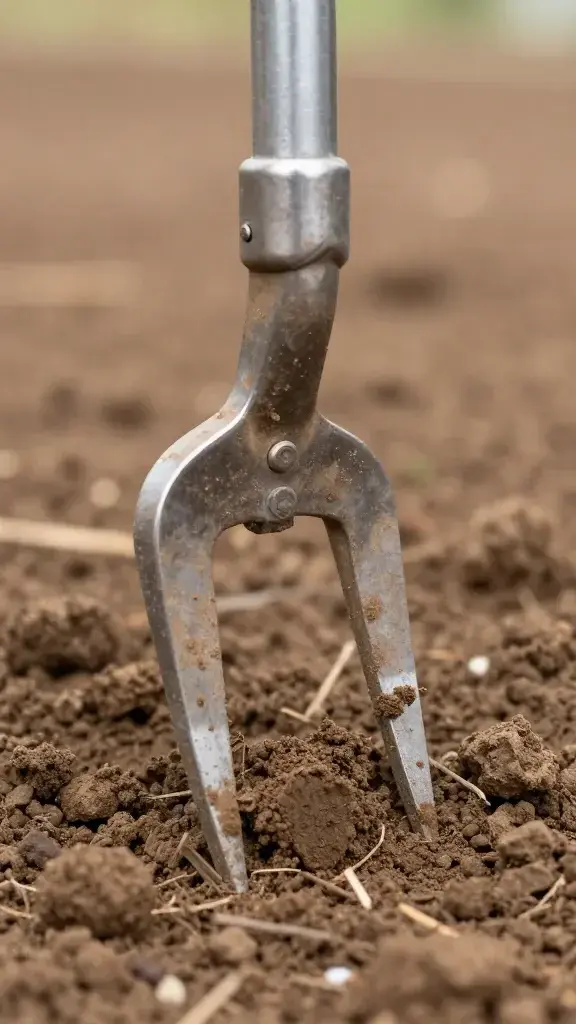
A sturdy shovel is your best friend for turning soil, transplanting, and moving compost. Look for a comfortable grip and a blade that doesn’t bend when you’re pushing soil uphill. A digging fork also helps when you’re breaking up clay or loosening rocky patches.
– Hoe for weeding and shaping beds
– Garden fork for turning soil with less compaction
– Rake to surface-level debris and level beds
Dig in smart: choosing the right blade
If you’re digging in dense soil, a pointed tip helps slice through clumps. For nursery beds or loose soil, a rounded blade prevents root damage. Trust me, subtle differences add up after a season of use.
Pruners, shears, and trimming gear that won’t quit
Healthy plants stay happier with a clean cut. Dull blades are the enemy of vigor, so sharpen regularly and replace when the edge can’t be restored.
– Straight-hand pruning shears for precise cuts on stems and small branches
– Pruning saw for thicker limbs
– Bud and flower shears for delicate work without crush
Maintenance magic
Keep blades clean and dry after use. A quick wipe and a dab of oil prevent rust. If you’ve got kids or pets around, consider locking shears when not in use to avoid accidental hero shots with your garden gear.
Water on demand: hoses, nozzles, and watering cans
Plants drink; you do the delivering. A good watering setup reduces plant stress and saves you time.
– Soaker hose or drip irrigation for efficient, low-spray watering
– Adjustable nozzle to switch between mist, soak, and jet
– Watering can for delicate things like seedlings and container plants
Smart watering trick
Water early in the morning or late evening to minimize evaporation. And mulch like you mean it—root systems stay moist longer and you’ll save trips with the hose.
Soil friends: trowels, weeders, and soil testers
Healthy soil is the quiet backbone of a thriving garden. You don’t need a lab, but you do want to know what you’re dealing with.
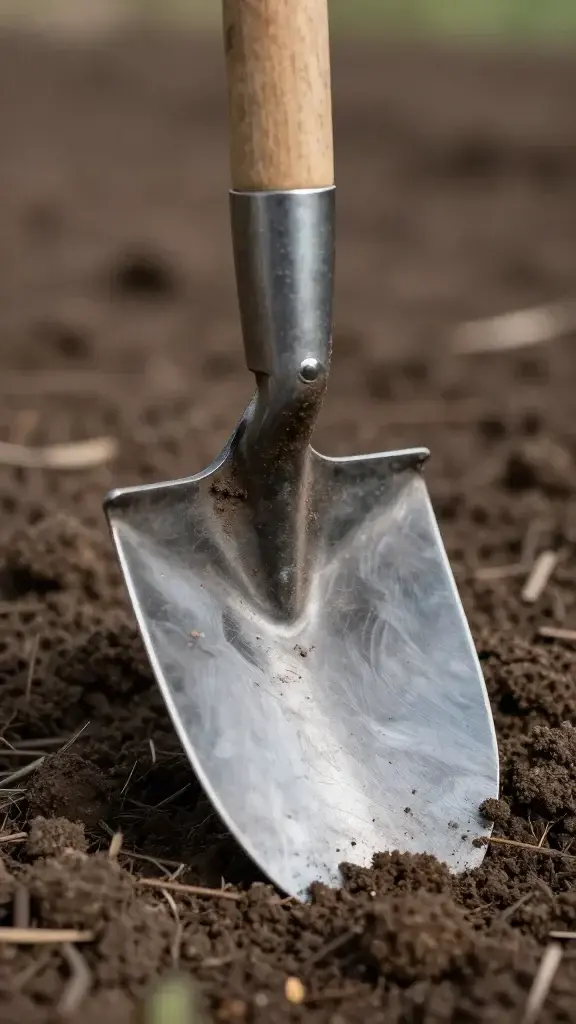
– Trowel for quick digs, transplanting, and digging out weeds
– Hand cultivator to blend compost and loosen topsoil
– Soil tester or pH meter for a quick read on soil health
What you’re actually testing for
– pH level: most veggies like slightly acidic to neutral soil
– Moisture: don’t drown the roots; let the top inch dry a bit between waterings
– Texture: sandy, loamy, or clay—each requires different amendments
Containers, cages, and support systems
Support gear isn’t just for aesthetics; it protects stems and helps plants reach their full potential.
– Stakes, twine, and plant ties for tomatoes, beans, and peppers
– Tomato cages or stakes to keep fruit-bearing vines from flopping
– Grow bags or planters for flexible gardening space
Staying organized
Labeling helps you keep track of what’s where, especially with successive plantings. A simple tape or plant marker kit saves you from that “which did I plant here last year?” moment.
Safety and convenience: gloves, storage, and handy accessories
A comfortable garden runs smoother when you’ve got your basics covered—plus a few touches that make you smile when you step outside.
– Gardening gloves with grip and breathability
– Knee pads or a cushioned kneeling pad to spare your knees
– Tool belt or bucket to keep you hands-free while you work
Cleaning up after a session
Rinse dirt off tools, dry thoroughly, and store in a dry place. Damp tools rot handles and rust blades—nobody wants that, not even the neighbor with the gossip mill.
FAQ
Do I really need all of these tools right away?
Not at all. Start with the basics: a sturdy shovel, a good pruner, a watering setup, and a hand trowel. Add others as you tackle specific tasks or expand into new beds.
How do I choose the best pruner?
Look for a design that fits your hand size, a sharp blade, and a comfortable grip. Look for bypass pruners over anvil types for cleaner cuts on living wood. If you’ll prune often, invest in high-quality blades that stay sharp longer.
What’s the one tool that saves me the most time?
A good watering setup, especially drip irrigation or soaker hoses, wins hands down in terms of time and plant health. You’ll water efficiently, with less waste and fewer missed spots.
How should I maintain my tools?
Wipe blades clean, dry after use, and oil moving parts occasionally. Sharpen blades when they start to feel dull. Store tools in a dry, organized space to prevent rust and damage.
Are cheaper tools worth it?
Budget options can work, but they often wear out faster. If you’re serious about gardening, a foundation of a few well-made tools will outperform a shed full of throwaways. IMO, you’ll thank yourself later.
Conclusion
If you’re building a toolkit for your garden, think “versatile, durable, and comfortable.” The right tools turn digging into a breeze, pruning into a joy, and watering into a routine you don’t dread. Start with the core essentials, then layer in helpers as your beds grow. You’ve got this—your plants are counting on you, and you’ll develop a rhythm that makes even drizzle feel like a plan. FYI, a little humor goes a long way when you’re elbow-deep in soil and optimism.
Leave a Reply