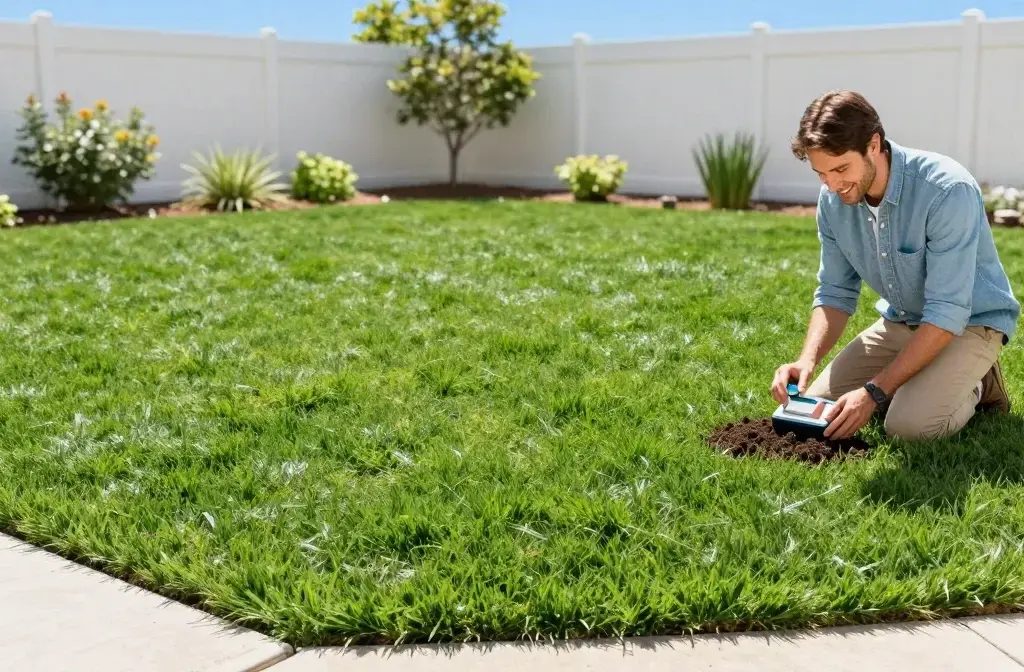
Here’s a practical, friendly take on keeping your lawn green and healthy all season long. Let’s cut to the chase and get your yard thriving without all the fuss.
You want a lawn that greets you with a smile every time you step outside. It’s not magic, it’s a few reliable habits—and maybe more coffee than you’d planned. Ready to become the neighborhood soil whisperer? Let’s do this.
Know Your Grass and Your Climate
Your first step is understanding what you’re actually growing and where you live. Different grasses love different things, and climate affects everything from watering to mowing.
– Identify your grass type: cool-season, warm-season, or a blend. Cool-season grasses like fescue and Kentucky bluegrass peak in spring and fall. Warm-season grasses like zoysia and bermuda thrive in heat.
– Check your zone: some tips work everywhere, but others are climate-specific. If you’re unsure, look up your USDA hardiness zone or ask at a local garden center.
– Seasonal pulse check: spring, summer, fall, winter—each season has its own rhythm for mowing height, feeding, and mowing frequency.
Where this matters
– Soil type matters too. Sandy soil drains fast, clay holds water, and loam is a happy medium. If you don’t know, a simple DIY soil test can reveal pH and nutrient levels.
Meter the Mowing: Ride the Right Height
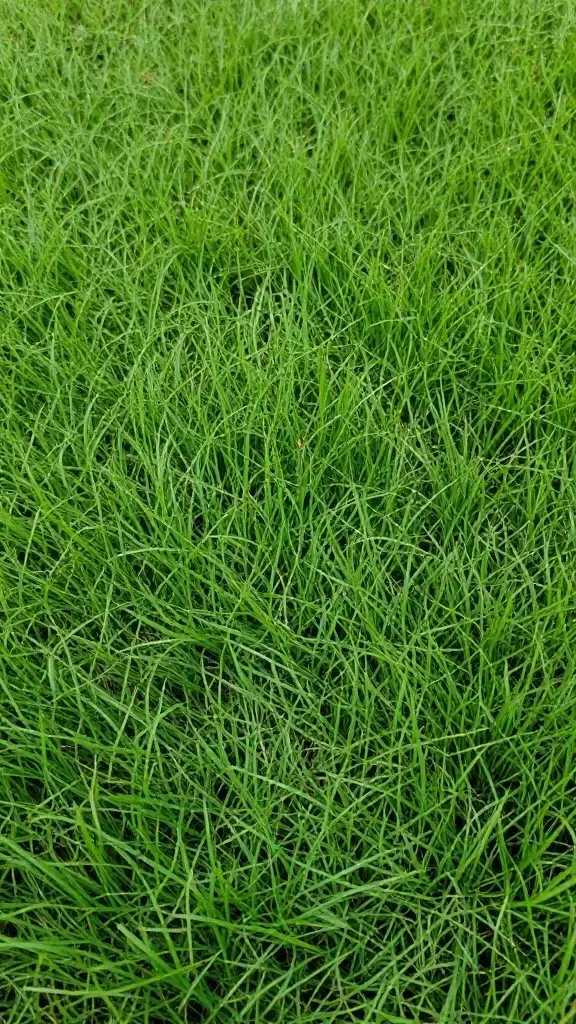
Mowing isn’t just trimming. It shapes root health, moisture retention, and weed suppression. Do it right, and your lawn will thank you.
– Raise your blade in hot weather: during heat waves, let the grass grow a bit taller to shade roots. Short, stressed grass invites pests and disease.
– Don’t cut more than one-third at a time: a big chop is trauma for grass blades. If your lawn looks shaggy, mow more frequently instead of scalping.
– Keep blades sharp: dull blades tear grass and invite disease. Sharpen or replace the mower blade regularly.
Best practices for a healthy cut
– Alternate mowing patterns to avoid compacting one spot.
– Leave the clippings on the lawn: they biodegrade and return nutrients. If you’re using a bag, you’re missing a free fertilizer, IMO.
Water Smarter, Not Harder
Watering is where many lawns go from lush to swampy or dust bowl. Do it with intention.
– Water early: dawn is ideal. Less evaporation, less lawn fungus, happier roots.
– Deep, infrequent watering wins: aim for about 1 inch per week, including rainfall. That depth encourages deep roots.
– Check for runoff: if water puddles, your sprinkler is overwatering or misaligned. Split into shorter sessions if you have heavy soil or slope.
DIY watering schedule
– Spring: keep soil evenly moist, not soggy.
– Summer: switch to deeper, less frequent sessions—your roots will dig in for survival.
– Fall: gradually taper as temperatures drop, but don’t totally ditch the schedule.
Feeding the Lawn: Fertilize Like a Pro (Without Overdoing It)
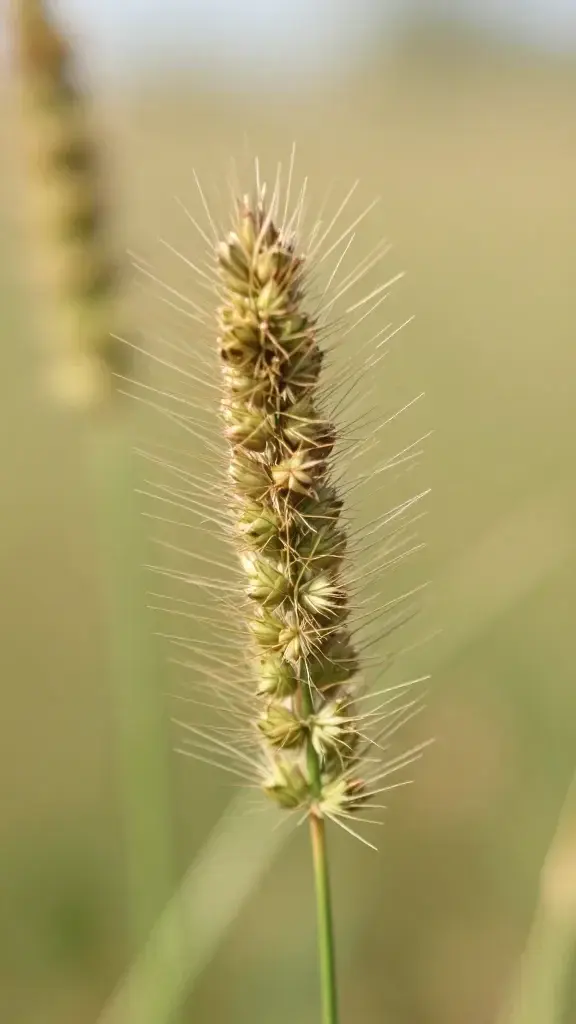
Nutrition matters, but overdoing it will turn your lawn into a chemical soup and irritate neighbors. Let’s do it thoughtfully.
– Test soil every 1-2 years: it guides you on what to feed and what to skip. DIY kits exist, or hire a pro if you’re not into numbers.
– Choose the right fertilizer: slow-release nitrogen minimizes burn and supports steady growth.
– Time it right: cool-season grasses get fed in early spring and fall; warm-season grasses often feed in late spring and summer.
When to skip the fertilizer
– After heavy rain, or if your lawn is waterlogged.
– If there’s a weed outbreak you’re not dealing with separately—fertilizing can feed the weeds too.
Weed Control Without Turning Your Lawn into a Lab
Weeds crash the party. You want a lawn that crowds them out, not a battlefield.
– Prevention is your best weapon: healthy turf outcompetes weeds. Mow at the right height, water correctly, and feed as needed.
– Targeted strategies work better than blanket spraying: pull young weeds by hand, use weed-free mulch, and apply selective herbicides only where necessary.
– Spot-treat, don’t blanket-till: if you must use herbicides, apply to the problem areas on a calm day with minimal wind and follow label directions.
Natural weed-fighters you can try
– Corn gluten meal as a pre-emergent can help, but it’s not a silver bullet. Pair with proper mowing and watering.
– A thick, healthy lawn is your best weed deterrent; think of it as a force field.
Soil Health: The Ground Beneath Your Feet
Healthy soil = healthy grass. It’s the foundation you seldom see but feel every mowing season.
– Aeration: loosen compacted soil to improve water, air, and nutrient movement. If your lawn feels squishy when you walk, it’s time to aerate.
– Top-dress lightly: a thin layer of compost adds nutrients and improves soil structure without burying your grass.
– Soil biology matters: microbes and fungi help plants absorb nutrients. Don’t overdo chemical fertilizers; a little organic matter goes a long way.
How to aerate without the chaos
– Use a rental core aerator or hire a pro for a small yard. For patches, a simple garden fork can help to relieve light compaction.
Seasonal Maintenance: Your Year-Long Roadmap
A steady cadence beats erratic chaos. Here’s a simple calendar to keep you on track without drowning in chores.
– Spring: dethatch if yours is thick, overseed thin areas, and tune the mower and irrigation.
– Summer: raise mowing height, water deeply early in the day, and feed if you’re in a warm-season region.
– Fall: reseed thin patches, rake up debris, and apply a slow-release fertilizer.
– Winter: keep it off the mower and let the soil breathe; plan your next year’s upgrades.
Common mistakes to avoid
– Overwatering in the heat of summer.
– Cutting too short after a heat spike.
– Nailing every inch with fertilizer at once.
FAQ
How often should I water my lawn?
Water deeply about once a week during normal weather, aiming for roughly 1 inch of water per week (including rainfall). In hot spells, you may need to water more, but less often is still best for root depth. Go for deep, infrequent sessions rather than shallow, daily sprinkles.
What’s the best mowing height for most lawns?
It depends on grass type, but a general rule of thumb: cool-season grasses 2.5–3.5 inches tall, warm-season grasses 1.5–2.5 inches tall. Avoid scalping; it stresses the lawn and invites weeds and pests.
Is fertilizer really necessary every year?
Not always. It depends on soil health, grass type, and rainfall. Do a soil test every 1–2 years to guide you. If your soil already has enough nutrients, you may skip a heavy fertilizer plan.
How can I prevent weeds without chemicals?
Keep your lawn thick and healthy, mow high, water properly, and overseed thin areas. Use mulch in surrounding beds, pull weeds when they’re small, and consider a natural pre-emergent if you’re dealing with persistent trouble.
What maintenance tasks can I do in the next weekend?
– Mow at the correct height and edge along the borders.
– Check irrigation heads for leaks or misalignment.
– Inspect for pests or diseases and treat early if found.
– Aerate or lightly overseed any thin patches if your season allows.
Conclusion
If you treat your lawn like a living system instead of a static carpet, it rewards you with green, healthy growth all season. Start with knowing your grass, sharpen your blades, and water like a fish breathing through lungs of soil. Focus on soil health, mowing practices, and smart feeding, and you’ll see the payoff in less weeds, fewer brown patches, and more “look at my yard” moments.
FYI, you don’t need to be a lawn nerd to get great results. A little planning, consistent care, and a sense of humor go a long way. IMO, your future self will thank you for it. Happy mowing, friend.
Leave a Reply